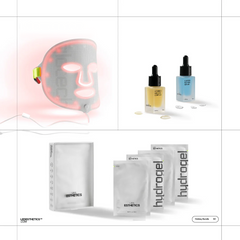
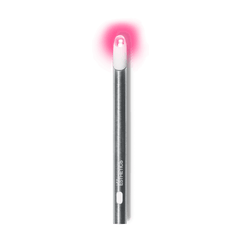
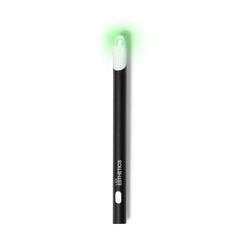
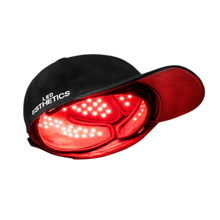
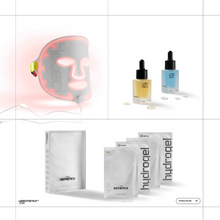
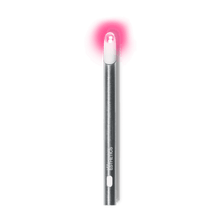
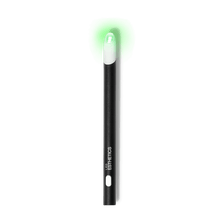
Retinol and red light therapy are two of the most effective anti-aging tools available, so it makes sense that people want to use both. The hesitation is usually the same: retinol is known for causing irritation, and no one wants to combine it with another active treatment only to end up with red, flaking skin. So the question comes up a lot. Can you actually use them together?
The short answer is yes, and not only is it safe when done correctly, it is one of the strongest anti-aging combinations you can build. The key is timing. Used the right way, retinol and red light therapy complement each other beautifully. Used carelessly in the same moment, they can irritate the skin. This guide covers exactly how to combine them, when to apply each, and how to get the benefits of both without the downside.
What Is Retinol?
Retinol is a derivative of vitamin A that works by accelerating cell turnover. This prompts the skin to shed older surface cells and generate fresh ones faster, while also stimulating collagen production in the deeper layers. Over time, this softens fine lines, refines texture, fades pigmentation, and improves firmness.
Its strength is also the reason it needs care. Because retinol speeds up cell turnover, it can cause dryness, redness, and flaking when introduced too quickly or used too often, particularly in the early weeks. This is why retinol is almost always recommended at night, built up gradually, and paired with SPF during the day, since it increases the skin's sensitivity to sunlight.
What Is Red Light Therapy?
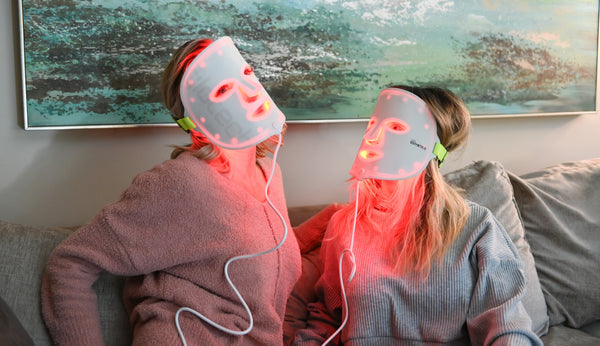
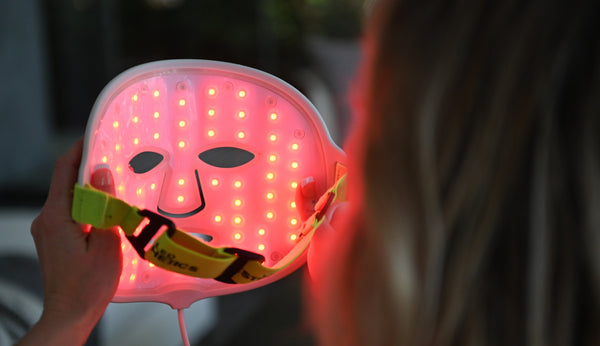
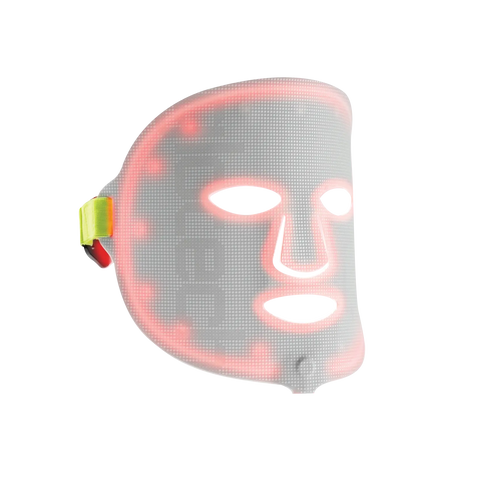
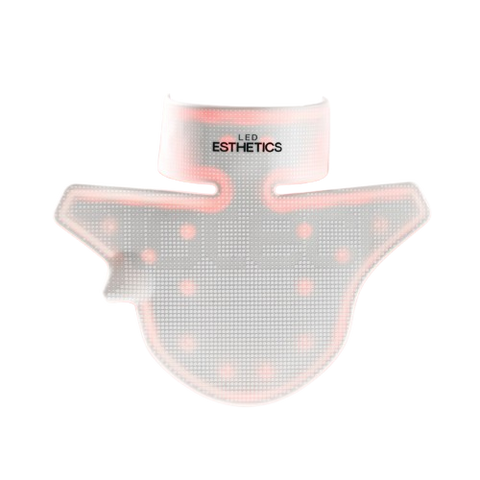
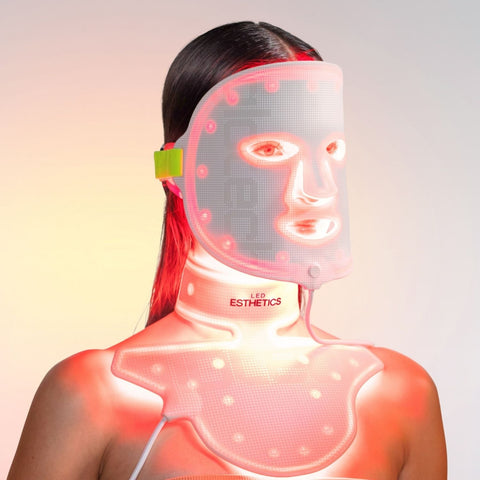
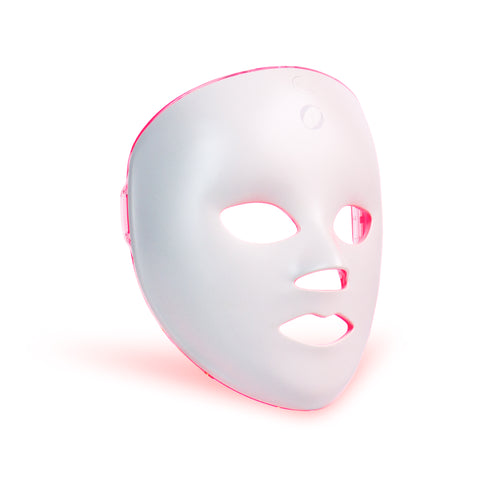
Red light therapy is a treatment that uses specific wavelengths of red and near-infrared light, typically in the 630 to 850 nanometre range, to stimulate the skin at a cellular level. The light is absorbed by the mitochondria in your skin cells, boosting the energy they produce and, in turn, supporting collagen synthesis, tissue repair, and reduced inflammation.
Unlike retinol, red light therapy is gentle and non-irritating. It is non-thermal, generates no UV exposure, and requires no downtime, which makes it suitable for all skin types, including sensitive skin. It works with the skin's biology rather than forcing rapid turnover, which is exactly why it pairs so well with a stronger active like retinol.
Red Light Therapy with Retinol
Here is the reassuring part, red light therapy and retinol are not only compatible, they are complementary. They improve the skin through two different mechanisms that happen to work toward the same goal, which is what makes them such a strong pairing.
Retinol works from the surface down, accelerating cell turnover and signalling the skin to build collagen. Red light therapy works from within, energising the fibroblast cells that actually produce that collagen. One prompts the skin to renew, the other gives it the cellular energy to do so more effectively. Together, they reinforce each other rather than compete.
The only real consideration is that both are best applied to clean skin, and red light therapy in particular needs a bare surface to work, since any product on the skin reflects light away and reduces how much it penetrates. This is why timing, not compatibility, is the thing to get right. You are not choosing between them. You are simply sequencing them so each can do its job.

How Long Should You Wait to Use Retinol After Red Light Therapy?
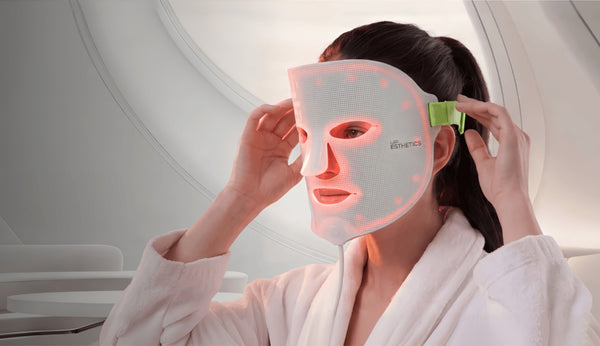
If you are using both on the same night, the sequence matters. Red light therapy should always come first, on freshly cleansed skin with nothing applied, so the wavelengths reach the deeper layers unobstructed. Once the 10-minute session is complete, you can apply your retinol afterward, along with any other supportive skincare.
There is no need to wait long between the two. A short 10 to 15 minute gap after your session is enough for most people, giving the skin a moment to settle before the retinol goes on. If your skin is on the sensitive side or you are still building up your retinol tolerance, extending that to 20 to 30 minutes reduces the chance of irritation further.
The approach that suits most people best, however, is not to combine them in the same session at all. Alternating retinol nights with red light therapy nights lets the skin get the full benefit of each without being overloaded. You might use red light therapy one evening and retinol the next, which keeps both in your routine while giving your skin space between two active treatments. It is the gentlest way to run the combination, and for sensitive skin especially, it is the smarter long-term approach.
Benefits of Red Light Therapy and Retinol
When combined correctly, the two deliver more together than either does alone, precisely because they target skin renewal from complementary angles. The main benefits include:
-
Amplified collagen production – Retinol signals the skin to produce collagen while red light energises the cells that make it, reinforcing the same outcome from two directions.
-
Smoother texture and softer lines – Retinol's cell turnover refines the surface while red light supports firmness underneath, improving fine lines and texture more completely.
-
Reduced retinol irritation – Red light therapy's anti-inflammatory, calming effect can help soothe the redness and sensitivity retinol sometimes causes, making the combination gentler than retinol alone.
-
Faster, more visible results – Two proven anti-aging mechanisms working together tend to produce results more efficiently than a single treatment.
-
Better overall skin resilience – Red light supports the skin barrier and recovery, helping the skin tolerate retinol more comfortably over time.
That last point is worth highlighting. Rather than adding to retinol's irritation, red light therapy can actually make retinol easier to tolerate, which is part of why the pairing works so well.

Tips for Safely Using Retinol with Red Light Therapy
Getting the benefits without the irritation comes down to a few simple principles. Follow these and the combination stays comfortable and effective:
-
Always start with clean, bare skin. Cleanse thoroughly before your red light session so no product blocks the light, and apply retinol only afterward.
-
Red light first, retinol second. On any night you use both, run the light session on bare skin, then apply retinol once it is finished.
-
Consider alternating nights. For sensitive skin, or to keep things gentle, use red light therapy and retinol on separate evenings rather than stacking them.
-
Build retinol up slowly. Start with a low concentration once or twice a week and increase gradually, regardless of the red light therapy, to let your skin adjust.
-
Never skip SPF. Retinol increases sun sensitivity, so daily broad-spectrum SPF is essential to protect the collagen both treatments are building.
-
Listen to your skin. If you notice dryness or irritation, space the two treatments further apart or reduce retinol frequency until your skin settles.
Final Thoughts
You can absolutely use red light therapy with retinol, and when you get the timing right, the two become one of the most effective anti-aging combinations available. Retinol drives cell turnover and signals collagen production, red light therapy energises the cells that build it, and together they improve firmness, texture, and fine lines more completely than either does alone.
The rules and routine are simple. Always treat clean skin, run red light therapy before retinol on shared nights, or alternate them for the gentlest approach, and never skip SPF. Do that and you get the full benefit of both, with none of the irritation that scares people off combining them. And the best results will come from an FDA-cleared device like those in the Glotech collection.
References
- Mukherjee S, et al. (2006). Retinoids in the treatment of skin aging: an overview of clinical efficacy and safety. Clinical Interventions in Aging, 1(4): 327–348.
- Wunsch A, Matuschka K. (2014). A Controlled Trial to Determine the Efficacy of Red and Near-Infrared Light Treatment in Patient Satisfaction, Reduction of Fine Lines, Wrinkles, Skin Roughness, and Intradermal Collagen Density Increase. Photomedicine and Laser Surgery, 32(2): 93–100.
-
Avci P, et al. (2013). Low-level laser (light) therapy (LLLT) in skin: stimulating, healing, restoring. Seminars in Cutaneous Medicine and Surgery, 32(1): 41–52.