


7 Causes of Premature Wrinkles
|
|
Time to read 8 min


|
|
Time to read 8 min
LED-SCIENCE [04-27-2026]
BY MADISON CARTER
Some people look years younger than their age, while others look years older. The difference is rarely just genetics. For most people, the skin they have at forty is largely a reflection of decisions and habits accumulated over the previous two decades, many of which they did not realise were aging them at the time.
These habits and exposures don’t impact the skin equally, with certain factors accelerating wrinkle formation far more than others. The good news is that these visible patterns of aging point back to a handful of key drivers, and they can be effectively addressed.
Premature aging is when the skin begins showing signs associated with older age earlier than expected. It is worth distinguishing from natural chronological aging, which follows a predictable biological timeline. Premature aging is accelerated, driven by external and lifestyle factors that speed up the breakdown of the skin's structural proteins.
The most common signs include:
If any of these sound familiar, the causes below are worth understanding in detail because knowing what is driving the damage is what makes it possible to address it at the source.
Early prevention is always more effective, but if the damage has already developed, don’t worry, in this guide we cover proven at-home solutions that help reverse it.
1. Sun Exposure
Ultraviolet light and exposure to sunlight age the skin more quickly than it would age naturally. The result is called photoaging, and it is responsible for 90% of visible changes to the skin.
UV rays break down collagen and elastin fibres in the dermis, the structural layer that keeps skin firm and smooth. When that scaffolding degrades faster than the body can rebuild it, the result is fine lines, wrinkles, sagging, and uneven pigmentation. The damage accumulates silently over years before it becomes visible, which is why people who were diligent sun worshippers in their twenties often notice accelerated aging in their thirties and forties.
Protecting your skin from UV damage consistently is the single most impactful thing you can do to prevent and slow premature wrinkles. That means:
Remember, UV damage occurs even through car windows, on overcast days, and during brief outdoor moments. It may feel insignificant, but it adds up.
2. Smoking
Smoking accelerates skin aging through several simultaneous mechanisms. The toxins in nicotine alter the cells in the body, breaking down collagen and elastic fibres in the skin and leading to sagging, wrinkles, and a hollow, gaunt appearance.
Beyond this, smoking constricts blood vessels and reduces the flow of oxygen and nutrients to the skin. The result is a complexion that looks dull, grey, and significantly older than the person's chronological age. Repetitive pursing of the lips while smoking also contributes directly to deeper lines around the mouth.
The skin begins to recover once smoking stops. Circulation improves, collagen production picks up, and while existing damage cannot be fully undone, the rate of deterioration slows significantly.
3. Poor Sleep
Sleep is when the skin does the majority of its repair work. Individuals who do not get enough sleep are more likely to show signs of premature aging, including uneven pigmentation, wrinkles, fine lines, and sagging skin. During deep sleep the body produces melatonin and growth hormone, both of which are directly involved in cellular repair and collagen synthesis.
Chronic sleep deprivation also elevates cortisol levels, which breaks down collagen and creates a cycle where the skin deteriorates faster than it can recover. 7–9 hours of consistent sleep is not a beauty myth, it is one of the most evidence-backed things a person can do for their skin.
4. Chronic Stress
Stress has a direct and measurable impact on aging skin. When the body is under chronic stress, cortisol levels remain persistently elevated. Cortisol breaks down collagen, promotes inflammation, and disrupts the skin's ability to repair and regenerate.
Certain repetitive facial expressions associated with stress, such as constantly furrowing the brow or frowning, can also create deep lines and contribute to premature wrinkles.
Managing chronic stress is one of the less obvious but most impactful levers for aging skin. The cortisol reduction from consistent sleep, regular physical movement, and basic stress management practices is both measurable and visible.
5. Diet and Dehydration
The skin reflects what the body is fed. A diet high in processed foods, refined sugars, and unhealthy fats triggers chronic inflammation in the body, which accelerates visible signs of aging.
Sugar in particular drives a process called glycation, where sugar molecules attach to collagen fibres and make them rigid and brittle. The result is skin that loses its bounce and develops lines and wrinkles faster than it otherwise would. Dehydration compounds the problem, making fine lines more pronounced and giving the complexion a dull, aged appearance even when other factors are managed well.
The nutrients that support skin structure and slow premature aging include:
6. Repetitive Facial Expressions
Every time the face moves, the skin folds. In youth, the skin's elasticity allows it to spring back after each expression. As collagen and elastin decline with age and accelerated damage, those temporary folds begin to set as permanent lines.
Squinting, frowning, and looking down at screens are the most common contributors. Tech neck, the horizontal lines that form across the neck from years of looking down at phones, is one of the clearest modern examples of how repetitive movement accelerates structural skin changes.
Raising screens to eye level, wearing corrective lenses when needed to reduce squinting, and being mindful of habitual expressions are small adjustments that reduce the rate of new lines.
7. Pollution and Environmental Damage
Airborne toxins cause the body's collagen to break down as they enter the pores. The most common environmental contributors include particulate matter, soot, and nitrogen dioxide, most prevalent near vehicles, industrial facilities, and construction areas.
Pollution generates free radicals on the skin surface, which are unstable molecules that damage skin cells and accelerate the breakdown of collagen and elastin. That’s why people who live in urban environments with higher pollution exposure often show more signs of accelerated skin aging compared to those in cleaner air environments.
Antioxidant-rich skincare, particularly vitamin C serums applied in the morning, neutralise free radicals before they cause structural damage. A thorough cleanse every evening to remove the day's pollution buildup is equally important and often underestimated.
LED light therapy is one of the best clinically proven options for getting rid of structural skin damage. Red and near-infrared light at clinical wavelengths stimulates mitochondrial activity in fibroblast cells, directly increasing collagen and elastin production.
Studies have shown measurable improvements in wrinkle depth, skin density, and firmness with consistent use over twelve weeks or more.
A device like the Glotech Pro LED Face Mask delivers clinical-grade wavelengths across the full face in a ten minute hands-free session, making the consistency that drives results genuinely achievable at home.
Alongside LED therapy, these treatments have the strongest supporting evidence:
Premature wrinkles are not a fixed outcome. They are the visible result of accumulated damage, most of which comes from identifiable causes that can be addressed, slowed, and in many cases meaningfully reversed.
The skin responds to what it is given. Consistent protection, the right treatments, and lifestyle habits that support rather than undermine collagen production are what determine how the skin ages. Starting earlier produces better outcomes, but starting at any point produces better outcomes than not starting at all.
If you are ready to address premature wrinkles with the best form of treatment, explore the Glotech LED range and find the right device for you today!
At what age do premature wrinkles start?
Premature wrinkles can begin appearing in the mid to late twenties, particularly in people with significant sun exposure, smoking habits, or chronic stress. Fine lines around the eyes and forehead are typically the first to appear.
Which areas of the face show premature wrinkles first?
How long does it take to see results from LED light therapy for wrinkles?
Most people begin to see visible results from LED light therapy within 2–4 weeks, with more significant improvements developing over 8–12 weeks of consistent use.
Is LED light therapy actually effective for anti-aging?
Yes, and the clinical evidence is substantial. Studies using red and near-infrared LED devices have shown significant increases in collagen density, measurable reductions in wrinkle depth, and improvements in skin firmness after consistent use over twelve weeks.
Does drinking water help with premature wrinkles?
Adequate hydration helps maintain skin plumpness and elasticity, making fine lines less pronounced. It is not a standalone solution but it supports the skin's overall ability to repair and regenerate, particularly when combined with topical hydrating ingredients like hyaluronic acid.


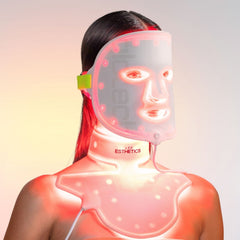

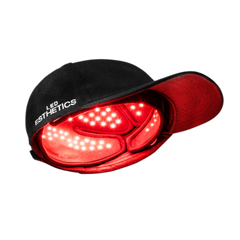

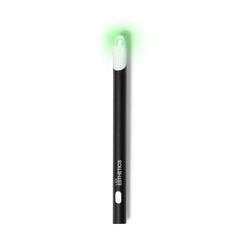
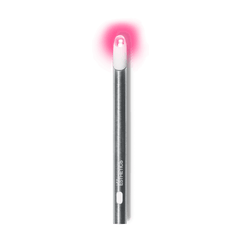
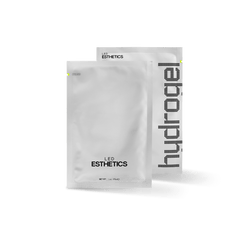
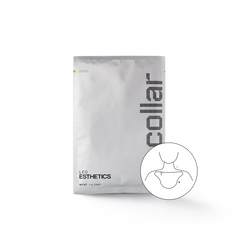


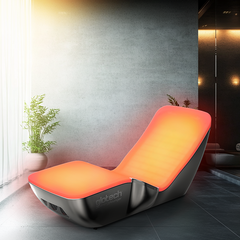


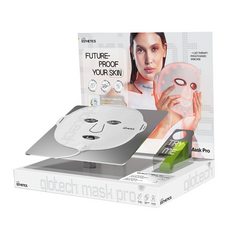


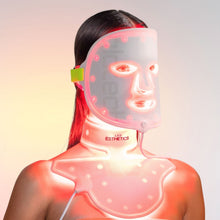

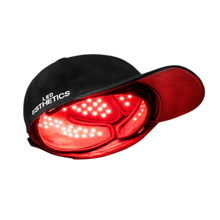

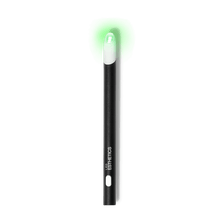





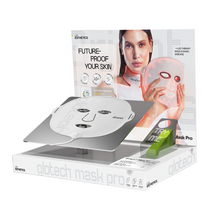

LED masks now come in what feels like every color of the rainbow, and every color promises something different. The trouble is that they are not all equal, and more LED light therapy colors does not automatically mean better skin. Some wavelengths have decades of clinical research behind them, others are newer or work in more subtle ways, and knowing the difference is what helps you choose the right LED treatment for your concern.
This guide breaks down every LED light therapy color, the benefits of each, and the specific skin concern it targets. By the end, you will know exactly which color, or combination of colors, your skin needs, so you can cut through the marketing and focus on what actually works.
LED light therapy is a non-invasive skincare treatment that uses specific wavelengths of light to target different skin concerns at a cellular level. Unlike UV light, which damages the skin, LED light is absorbed by the skin's cells and used to power specific repair and renewal processes, from stimulating collagen to destroying acne-causing bacteria.
Each color of light corresponds to a different wavelength, and each wavelength penetrates the skin to a different depth and does a different job. This is why the color you choose matters. It is not decorative, it is the very thing that determines what the treatment does.
The science behind LED light therapy is called photobiomodulation. When light of a specific wavelength reaches the skin, it is absorbed by the mitochondria inside your cells, converting into cellular energy that drives the repair and renewal processes.
The key principle is depth. Shorter wavelengths, like blue light, work near the surface of the skin, which is why they are effective against surface-level concerns like acne bacteria. Longer wavelengths, like red and near-infrared, penetrate deeper into the dermis and below, reaching the cells responsible for collagen production and tissue repair. Understanding this surface-to-deep spectrum is the foundation for understanding what every color does.
Before breaking down each color individually, here is a quick reference showing which LED light therapy color is best suited to which skin concern.
| Skin Concern | Best LED Color |
|---|---|
| Fine lines, wrinkles, and firmness | Red / Near-infrared |
| Active acne and breakouts | Blue |
| Redness, rosacea, and sensitivity | Yellow |
| Dark spots, pigmentation, and uneven tone | Green |
| Acne with signs of aging | Purple (blue + red) |
| Dull, tired, or stressed skin | Orange |
| Deep healing, recovery, and mature skin | Infrared |
This 7 colour LED light therapy chart brings every wavelength together in one place, from the shortest, most surface-level colours to the deepest-penetrating.

Below, each color is broken down by exactly what it targets and who it suits best.
Red light is the most well-known wavelength in LED therapy, and for good reason. It penetrates deep into the dermis to stimulate fibroblasts, the cells responsible for producing collagen and elastin, which is why it is the cornerstone of anti-aging treatment.
Red LED light targets:
Fine lines and wrinkles, softening them over time
Skin firmness and elasticity
Circulation, boosting a natural, radiant glow
Pigmentation, helping it fade gradually
It is ideal for anyone concerned with early signs of aging, loss of firmness, or dull skin.
Infrared light is invisible to the naked eye but penetrates the deepest of any wavelength, reaching into the hypodermis to support cell regeneration and healing at a foundational level. It is often used in clinical and recovery settings for exactly this reason.
Infrared LED light targets:
Wound healing and tissue repair, accelerating both
Circulation and inflammation, improving flow and calming the skin
Muscle and joint discomfort
Long-term rejuvenation and firmness at depth
Infrared is ideal for mature skin, deep healing, and post-procedure recovery, as well as managing pain-related concerns.
Blue LED light works on the surface of the skin and is best known for treating active acne. It targets Propionibacterium acnes, the bacteria responsible for breakouts, destroying it without irritation or dryness.
Blue LED light targets:
Existing breakouts, clearing active acne
New acne, preventing it from forming
Inflammation and redness associated with breakouts
Excess oil production at the gland
This is the go-to light for oily, acne-prone, or congested skin types.
Yellow light sits in the sweet spot between red and green wavelengths, combining anti-inflammatory properties with circulation support. Its strength is calming rather than correcting, which makes it well suited to reactive skin.
Yellow LED light targets:
Redness from rosacea or sensitivity
Uneven tone and sluggish lymphatic drainage
Cellular function, supporting the skin's healing
Post-treatment recovery and downtime
It is excellent for sensitive, easily flushed skin, or for calming the skin after a procedure.

Purple light is a blend of blue and red wavelengths, combining acne-fighting and skin-rejuvenating action in one. It is designed for targeting breakouts and signs of aging together, which makes it popular with adult and hormonal skin.
Purple LED light targets:
Breakouts, while simultaneously promoting healing
Post-acne redness and marks
Skin renewal and anti-aging alongside blemish control
Adult and hormonal acne, where aging and breakouts overlap
Green light is often overlooked, but it is powerful when it comes to evening out skin tone. It works on melanin production in the basal layer, helping to regulate overactive pigment cells that cause discoloration.
Green LED light targets:
Dark spots, sun damage, and the appearance of melasma
Overall brightness and evenness of tone
Irritated or reactive skin, calming it
Clarity, supporting a more radiant complexion
Orange LED light bridges the gap between yellow and red, offering a mix of brightening and anti-inflammatory action. Its niche is revitalising skin that looks tired or stressed rather than treating a specific structural concern.
Orange LED light targets:
Dull, fatigued skin, energising and revitalising it
Lymphatic flow and detoxification
Overall clarity and radiance
Puffiness and under-eye circles
It is a reasonable assumption that a mask with more colors must do more, but that is not how LED light therapy works. What matters is not how many colors a device has, but whether it delivers the right wavelengths, at the correct output, for your skin concern.
Some of the most heavily marketed masks advertise seven or eight colors, leaning on the sheer number as a selling point. In reality, a device running two or three clinically backed wavelengths at a proper therapeutic dose will outperform a rainbow mask that spreads weak output across colors with little evidence behind them. More colors can actually mean less of what matters, if the power is diluted across wavelengths that do not earn their place.
The smarter approach is to focus on the colors proven to address your specific concern, delivered by a device that produces a genuine therapeutic dose, rather than being drawn in by an impressive-looking color count.
If you strip the spectrum back to the wavelengths with the strongest clinical evidence behind them, three stand out consistently:
Red (630–660nm) is the most researched wavelength for anti-aging, with clinical studies confirming it increases collagen density, improves elasticity, and reduces wrinkle depth over consistent use.
Near-infrared (over 700nm, typically around 830nm) has strong evidence for deeper repair, healing, and inflammation, reaching cells that visible light cannot and complementing red light's surface-to-mid effects.
Blue (415–450nm) is the best-supported wavelength for acne, with research showing it meaningfully reduces the bacteria behind breakouts.
Beyond the core three, yellow light has the next-best evidence behind it, with research supporting its anti-inflammatory and calming effects for redness and sensitivity. The remaining colours, green, orange, and purple, have their uses and can genuinely support tone and blended concerns, but the evidence behind them is lighter and still developing.
That is why the most effective devices are built around the proven wavelengths, red, near-infrared, and blue at the core, rather than padding a spec sheet with colours that sound impressive but do less.
This is exactly how the Glotech Mask Pro is designed. Rather than chasing a high color count, it delivers the three clinically backed wavelengths that matter most, red at 630nm and near-infrared at 830nm for anti-aging, plus blue at 415nm for acne, at a genuine therapeutic output across two dedicated treatment modes.
LED light therapy colors are not interchangeable, and they are not decorative. Each wavelength penetrates to a different depth and targets a different concern, which is why choosing the right color, or combination of colors, matters far more than choosing the most colors.
For most people, the wavelengths that deliver real results are the clinically proven ones: red and near-infrared for aging, firmness, and repair, and blue for acne. Match the color to your concern, prioritise a device that delivers those wavelengths at a proper dose, and you will get far more from your treatment than any rainbow mask can offer.

LED-SCIENCE [07-09-2026]
BY MADISON CARTER
Stretch marks affect an estimated 50% to 90% of pregnant women, around 70% of adolescent females, and 40% of adolescent males. Yet despite how universal they are, they remain notoriously difficult to treat. Creams promise to erase them, oils promise to prevent them, and most deliver very little, because they only ever reach the surface. Stretch marks do not form on the surface, they form deep in the dermis, which is why so many treatments fall short.
Red light therapy takes a different approach, working at the depth where stretch marks actually live. It has built a growing body of clinical research behind it, and the results are worth understanding honestly, including which stretch marks respond best and which are harder to shift. This guide covers exactly how red light therapy works on stretch marks, what the science shows, and how to use it to get the most from it.
Stretch marks, known medically as striae distensae, form when the skin is stretched faster than it can regenerate. When that happens, the collagen and elastin fibres in the dermis, the deeper structural layer of the skin, tear and disrupt, leaving behind visible lines.
Histologically, stretch marks are classified as atrophic scars: the collagen ruptures, and the gap fills with newly synthesised collagen that aligns differently to the surrounding skin. They tend to appear during periods of rapid change, and prevalence varies significantly by trigger. The most common causes are:
Understanding that stretch marks are a dermal, structural issue rather than a surface one is the key to understanding why treatment has to work at depth. It is also why the age of a stretch mark matters so much.
Another important distinction to understand is the different stages a stretch mark passes through, because it determines how well any treatment, red light therapy included, is likely to work. Stretch marks develop in two stages:
Striae rubra (red or purple): Fresh stretch marks in an active inflammatory phase. The red or purple colour comes from blood vessels near the surface, and crucially, the skin is still actively trying to repair itself. This makes them far more responsive to treatment.
Striae alba (white or silvery): Older, mature stretch marks. Over time the redness fades, the blood vessels contract, and the mark settles into established scar tissue. These are more difficult to improve, because the active repair phase has passed.
The honest answer is yes. Red light therapy is one of the more effective non-invasive options for stretch marks because it works at the dermal level where they actually form.
Here is the mechanism. Red and near-infrared light, typically in the 630 to 850 nanometre range, penetrate the skin and are absorbed by the mitochondria in fibroblast cells, the cells responsible for producing collagen and elastin.
This boosts cellular energy and stimulates fresh collagen and elastin synthesis, directly rebuilding the structural fibres that tore when the stretch mark formed. It also improves circulation to the area and calms the inflammation in newer marks.
Clinical research on light therapy for stretch marks:
A study on a 675nm laser treating stretch marks across the abdomen, thighs, buttocks, and breasts found a statistically significant improvement in Manchester Scar Scale scores after just three sessions.
A study using light-based therapy on striae found clinical improvement in 81.4% of patients on blinded physician assessment, alongside significant gains in skin texture and measurable reductions in stretch mark depth.
A 2024 randomised controlled trial on older white stretch marks found that 808nm near-infrared light produced statistically significant improvement, with no adverse effects even in medium skin tones (Fitzpatrick III to IV).
The two biggest factors in your results are the age of your stretch marks and how consistently you treat them. Fresh marks treated regularly respond best, while older marks improve more gradually, but they still improve. Here is the best way to approach them:
Apply red light to clean skin with no creams, oils, or lotions in the way, since anything on the surface reflects light and reduces how much reaches the dermis. Bare skin gets the full dose.
Position the device close to the treatment area, whether that is the abdomen, thighs, hips, or arms, and aim for 3–5 sessions per week. Clinical protocols consistently point to this frequency, sustained over 12–16 weeks, as the window where collagen remodelling produces visible change.
If you have fresh red or purple stretch marks, begin treating them while they are still in the active repair phase, when the evidence shows the strongest response. Older marks still benefit, but the earlier you start, the better.
Look for a device that delivers red light in the 630 to 660nm range and near-infrared in the 800 to 850nm range. The two work at different depths, red targeting the upper dermis and near-infrared reaching the deeper mid-dermis where stretch mark damage is most significant, and together they cover the full picture.
Staying hydrated, eating enough protein and collagen-supporting nutrients, and keeping the skin moisturised between sessions all give the skin what it needs to rebuild effectively.
Rushing or expecting overnight change is the fastest route to disappointment. Most clinical studies show visible improvement beginning after 6–12 weeks of consistent treatment, with continued gains over 4–6 months. For most people, the timeline looks like this:
Stretch marks respond to steady, repeated stimulation rather than occasional intense sessions, aligning with the skin's natural collagen renewal cycle.
Red light therapy is one of the few non-invasive treatments that addresses stretch marks where they actually form, deep in the dermis. It will not erase them entirely, especially older white marks, but the clinical evidence shows it can reduce their visibility, rebuild lost collagen, and improve the texture and tone of the skin around them.
The keys are starting early where you can, using the right wavelengths, and staying consistent long enough for collagen to remodel. Do that and red light therapy becomes a genuinely valuable tool for reducing stretch marks, with results that build steadily and last.
Does red light therapy really work for stretch marks?
Yes, clinical studies show red light therapy stimulates collagen and elastin production deep in the dermis where stretch marks form, reducing their visibility and improving skin texture. It works best on fresh red or purple marks, while older white marks improve more gradually.
Can red light therapy remove stretch marks completely?
No treatment fully erases stretch marks, red light therapy included. What it can do is significantly reduce their appearance and improve the tone and texture of the surrounding skin, especially with early, consistent treatment.
How often should I use red light therapy on stretch marks?
Aim for 3–5 sessions per week on clean, bare skin, sustained over several months. Stretch marks respond to steady, repeated stimulation rather than occasional long sessions, which is what drives the collagen remodelling that fades them.
1. Wunsch A, Matuschka K. (2014). A Controlled Trial to Determine the Efficacy of Red and Near-Infrared Light Treatment in Patient Satisfaction, Reduction of Fine Lines, Wrinkles, Skin Roughness, and Intradermal Collagen Density Increase. Photomedicine and Laser Surgery, 32(2): 93–100.
2. Farahnik B, et al. (2017). Striae gravidarum: Risk factors, prevention, and management. International Journal of Women's Dermatology, 3(2): 77–85.
3. Ud-Din S, McGeorge D, Bayat A. (2016). Topical management of striae distensae (stretch marks): prevention and therapy of striae rubrae and albae. Journal of the European Academy of Dermatology and Venereology, 30(2): 211–222.
4. Cannarozzo G, et al. (2023). Striae Distensae: Clinical Results and Evidence-Based Evaluation of a Novel 675 nm Laser Wavelength. Medicina, 59(5): 841.
5. Fusano M, et al. (2021). Picosecond Laser Treatment of Striae Distensae: In vivo Evaluation of Results by 3D Analysis, Reflectance Confocal Microscopy, and Patient's Satisfaction. Lasers in Surgery and Medicine.
6. Avci P, et al. (2013). Low-level laser (light) therapy (LLLT) in skin: stimulating, healing, restoring. Seminars in Cutaneous Medicine and Surgery, 32(1): 41–52.

LED-SCIENCE [07-09-2026]
BY MADISON CARTER
Botox is the default answer for forehead wrinkles, but it is far from the only one. Not everyone wants needles in their forehead every 3-4 months, and not everyone wants the cost, the frozen look, or the commitment that comes with it. The good news is that you do not need injectables to see a real difference.
Forehead wrinkles form through a predictable process, and that process can be slowed, softened, and in many cases visibly reversed with the right approach. It takes more consistency than a single appointment, but the results are yours to keep and they come without the downsides of injections.
This guide breaks down exactly what causes forehead lines, the treatments that genuinely work without Botox, and how to build them into a routine that smooths your wrinkles the longer you stick with it.
Before looking at the alternatives, it helps to understand how Botox actually works, because that explains both what it does well and where it falls short.
Botox is a purified toxin that temporarily blocks the nerve signals telling your forehead muscles to contract. With the muscle relaxed, it can no longer fold the skin above it, so the dynamic lines that appear when you raise your eyebrows soften or smooth out.
None of that makes Botox a bad option. It makes it one option, with a specific set of trade-offs, and understanding those trade-offs is exactly what makes the case for treating forehead wrinkles a different way.
Yes, though it helps to be realistic about what that means. Deep, long-established static wrinkles may not disappear entirely without injectables or clinical procedures, but they can be visibly softened.
On the other hand, fine lines and early wrinkles respond remarkably well to consistent non-invasive treatment, and prevention of new lines is very much within your control.
The reason non-invasive approaches work is that they target the actual cause of static wrinkles rather than just the muscle. By stimulating collagen, protecting against UV, and improving overall skin quality, you rebuild some of the structural support the skin has lost.
Botox freezes the movement that folds the skin, but it does nothing to restore the collagen underneath. A good non-invasive routine does the opposite, and over time that produces smoother skin that holds up even when your face moves.
A red light therapy mask that works on the collagen behind wrinkles, not just the surface, worth anchoring your routine around.
There is no single miracle step, but a handful of proven treatments layered together produce genuine results. Here is what actually works, from the most impactful down.
Red light therapy is one of the most effective non-invasive tools for forehead wrinkles because it addresses the root cause: lost collagen.
Typically in the 630 to 850 nanometre range, red and near-infrared light penetrate the skin and are absorbed by the mitochondria in fibroblast cells, the cells responsible for producing collagen and elastin. This boosts cellular energy and directly stimulates fresh collagen synthesis, which firms the skin and softens lines.
The clinical backing is strong. The landmark Wunsch and Matuschka trial ran 136 volunteers through red and near-infrared light and recorded significant improvements in wrinkle depth, skin roughness, and ultrasound-measured collagen density, with results still holding at follow-up.
Retinoids are the most proven topical anti-aging ingredient available. Derived from vitamin A, they accelerate cell turnover and stimulate collagen production, which visibly softens fine lines and refines texture over time. Prescription tretinoin is the strongest option, while over-the-counter retinol works more gradually. Start with a low concentration a couple of nights a week and build up slowly, always applying at night and following with SPF the next morning.
A vitamin C serum used in the morning neutralises the free radicals from UV and pollution that break down collagen, while also supporting collagen synthesis and brightening the skin. Layered under SPF, it forms a protective barrier against the daytime damage that deepens forehead lines. It pairs well with every other step here and is one of the easiest additions to a routine.
Peptides are signal proteins that tell the skin to produce more collagen, making them a gentle, effective daily addition that works alongside retinoids and red light therapy. Hyaluronic acid, meanwhile, plumps and hydrates the skin so that fine lines look visibly less pronounced. Neither is aggressive, and both help maintain the smooth, supported skin that resists creasing.
Treating existing lines is only half the job. The other half is slowing down the formation of new ones, and prevention is where the easiest wins are.
Prevention is always easier than correction. The habits that protect a smooth forehead in your thirties are the same ones that keep it smooth into your fifties.
With both approaches on the table, it comes down to what matters most to you. Neither is strictly better, they simply solve the problem in different ways.
| Botox | Red Light Therapy | |
|---|---|---|
| How it works | Freezes the muscle to stop it folding the skin | Stimulates fibroblasts to rebuild collagen and elastin |
| Addresses collagen loss | No | Yes |
| Speed of results | Fast (days) | Gradual (weeks to months) |
| How long it lasts | 3–4 months, then repeats | Lasting, with consistent upkeep |
| Effectiveness over time | Can diminish as tolerance builds | Maintained or improves with use |
| Downtime | Minimal, some bruising | None |
| Ongoing cost | Recurring, indefinitely | One-off device, low upkeep |
| Look | Can appear frozen | Natural movement retained |
| Best for | Fast fix for dynamic lines | Long-term smoothing and prevention |
You do not need Botox to soften forehead wrinkles. By targeting the real causes, lost collagen, sun damage, and declining skin quality, rather than just freezing the muscle, a non-invasive routine can smooth existing lines and prevent new ones from forming. It asks for more consistency than an injection, but it gives you lasting results without the cost, the needles, or the frozen look.
Build the foundations, red light therapy to stimulate collagen, retinoids and vitamin C to support it, hydration to plump the skin, and daily SPF to protect it all, and let the results compound over months. Start where you are, stay consistent, and your forehead will show it.
If you are ready to add the collagen-stimulating power of red light therapy to your routine, explore the Glotech LED range and find the right device for your skin.
Can you get rid of forehead wrinkles without Botox?
Yes. Fine lines and early forehead wrinkles respond well to non-invasive treatments like red light therapy, retinoids, and daily SPF, which soften lines by stimulating collagen and protecting the skin. Deep static wrinkles may not vanish entirely without injectables, but they can be visibly softened and new lines prevented.
What is the best natural alternative to Botox for forehead lines?
Red light therapy is one of the most effective, as it stimulates collagen production at a cellular level to firm skin and soften lines. Paired with retinoids, vitamin C, and consistent sun protection, it addresses the collagen loss that Botox does not, producing slower but longer-lasting results.
Do forehead wrinkles go away on their own?
Dynamic wrinkles that only appear with expression can be managed, but forehead lines do not fade on their own once they become static. They tend to deepen over time as collagen declines, which is why early, consistent treatment and prevention make such a difference.
How long does it take to naturally reduce forehead wrinkles?
Early improvements in skin quality often appear within 1–4 weeks, while visible softening of forehead lines typically develops over 4–12 weeks of consistent treatment. The most significant, structural results build beyond the 3-month mark and hold as long as the routine continues.
Does red light therapy really work for forehead wrinkles?
Yes. Clinical research, including the Wunsch and Matuschka trial of 136 volunteers, has shown red and near-infrared light produces significant improvements in wrinkle depth and collagen density. It works by stimulating fibroblasts to produce more collagen, firming the skin and softening lines over consistent use.

LED-SCIENCE [06-30-2026]
BY MADISON CARTER
Few skin concerns are as stubborn as melasma, and anyone who has dealt with it knows the frustration of treatments that promise the world and deliver patchy, temporary results. So when red light therapy started appearing in the conversation, it arrived with an obvious question attached: is this another tool that genuinely helps, or one that quietly makes things worse?
It is a fair question, and unlike most skincare topics, the answer is not a simple yes. Red light therapy supports melasma, but pigment-prone skin still flares when the rest of your routine works against it. The deciding factors are device quality, your wider skincare, and consistency, and understanding them is the difference between calmer skin and a frustrating flare. This guide covers exactly where red light therapy helps, where the real risks are, and how to use it the right way.
Melasma is a chronic form of hyperpigmentation that shows up as brown or greyish patches, most commonly across the cheeks, forehead, upper lip, and bridge of the nose. It happens when melanocytes, the pigment-producing cells in the skin, become overactive and deposit excess melanin.
The reason it is so difficult to treat is that those cells are easily provoked and slow to settle. Unlike a sun spot or post-acne mark that fades on its own, melasma tends to linger, relapse, and respond unpredictably, which is why it needs a more thought out approach than other pigmentation concerns.
The root cause of melasma comes down to overactive melanocytes, but what provokes that overactivity is the key to understanding and managing the condition. The most common triggers are:
That heat and visible-light sensitivity is exactly why melasma needs a more careful approach than other pigmentation concerns, and why the conversation around red light therapy is more nuanced than the usual glow-up claims.
The honest answer is yes, red light therapy helps treat melasma, but as a supporting treatment rather than a standalone cure. Think of it as a powerful support to your sun protection and pigment-targeting topicals, helping the rest of your routine work more effectively.
Where it earns its place is through its anti-inflammatory action. Red light in the 630 to 660 nanometre range is absorbed by the mitochondria in skin cells, increasing cellular energy and calming the low-grade inflammation that keeps melanocytes in a reactive state. Since inflammation is one of the core drivers of melasma, reducing it can help stabilize the skin and make it less prone to flaring.
There is also supporting clinical research for the red light therapy approach. A 2020 trial found reduced pigmentation with LED therapy when added to a standard melasma regimen. Dermatology reviews consistently point to red light's anti-inflammatory and barrier-supporting effects as the mechanism that indirectly benefits pigment control.
This is the question the headlines love, and the honest answer is no. Quality red light therapy is non-thermal, meaning it does not heat the skin or cause the kind of thermal stress that provokes melasma. It works with the skin's biology rather than introducing another trigger, which is what makes it well suited to reactive, pigment-prone skin in the first place.
The confusion comes from how melasma actually flares. The condition is heat and inflammation sensitive, so the real aggravators in most routines are things like harsh exfoliating acids, aggressive peels, over-stripping cleansers, and high-energy procedures that inflame the skin. These are what tip pigment-prone skin into a flare, not gentle red light wavelengths.
Where caution genuinely applies is device quality. The cheap, multi-function "7-colour" LED masks flooding the market often combine uncontrolled wavelengths, undisclosed output, and poor calibration. A well-made, properly calibrated red light device like the Glotech Mask Pro is a completely different proposition, which is why the device you choose also matters.
In practice, keeping melasma calm comes down to a few simple principles:
Follow these and red light therapy is a safe, manageable step in a melasma routine. And most importantly, used correctly, it calms the skin rather than provoking it.
Melasma rewards precision over intensity. The goal is never to blast the skin into improving, but to support it consistently while keeping it calm. Here is how to do that.
This matters more for melasma than any other concern. Avoid cheap multi-colour masks with undisclosed specs and opt for an FDA-cleared device with defined wavelengths and managed heat output. An FDA-cleared device like the Glotech Pro LED Face Mask delivers proven wavelengths at a controlled output, which is exactly the kind of precision pigment-prone skin needs.
Begin with shorter, less frequent sessions than you would for other concerns, and watch the treated areas carefully for any darkening over the first few weeks. Melasma gives you feedback if you pay attention, and starting conservatively means you catch any reaction early.
Since heat is the primary risk, treat on clean, cool skin and avoid stacking warming treatments like saunas, hot showers, or aggressive actives on the same day.
Combine it with the other cornerstones of a melasma routine, including a broad-spectrum mineral SPF 50 with iron oxide applied every day, and pigment-targeting topicals such as niacinamide, tranexamic acid, vitamin C, or prescription options where appropriate.
Pigment improvement is slow by nature. Inflammation may calm within 4–12 weeks, but visible changes to pigmentation take longer and depend heavily on protecting the skin from its triggers throughout.
Managing expectations is essential with melasma because it is a chronic, relapsing condition. There is no cure, red light included, that permanently switches it off. What a careful routine can do is reduce the intensity of pigmentation and the frequency of flares, which for most people is a meaningful improvement in how their skin looks and feels day to day.
With red light therapy used as supportive care, the realistic timeline looks like this:
The single biggest factor in your results is how strictly you protect the skin from UV, heat, and inflammation between sessions. Get that right and red light therapy becomes a genuinely effective part of the picture. Neglect it and no treatment will hold.
Red light therapy for melasma is neither the miracle some marketing suggests nor the hazard the cautionary headlines imply. It is a supportive tool that helps calm the inflammation behind melasma and keeps pigment-prone skin steady rather than reactive.
The difference comes down to precision: a well-calibrated, clinical-grade device, conservative use, and an unwavering commitment to sun protection and topical treatment. Pair red light therapy with the right skincare and it becomes a valuable part of a melasma routine.
If you want a considered, FDA-cleared device built around controlled, proven LED wavelengths rather than the uncontrolled output of cheap multi-colour masks, the Glotech Mask Pro is the place to start.
Does red light therapy help melasma?
Red light therapy can help melasma as a supporting treatment by reducing the inflammation that keeps pigment-producing cells reactive. It works best alongside daily sun protection and pigment-targeting topicals.
Can red light therapy make melasma worse?
No. Quality red light therapy is non-thermal, so it does not heat the skin or cause the thermal stress that provokes melasma. The real aggravators in a routine are harsh exfoliating acids, aggressive peels, and other inflammatory treatments, not gentle red light.
Is red light therapy safe for darker skin tones with melasma?
Yes, with a little extra care. Darker skin tones are more prone to melasma and more reactive in general, so it is worth starting with shorter, less frequent sessions, using a clinical-grade device, monitoring for any changes, and prioritising strict sun protection throughout.
How long does red light therapy take to work on melasma?
Inflammation and skin reactivity often calm within 4–12 weeks, but visible pigmentation changes take longer and depend heavily on consistent sun protection and topical treatment. Melasma is chronic, so results are maintained through ongoing care rather than a one-off course.
Should I use SPF with red light therapy for melasma?
Absolutely. Daily broad-spectrum mineral SPF 50 with iron oxide is the single most important part of any melasma routine. UV and visible light are primary triggers, so without strict sun protection, no other treatment, including red light therapy, will hold its results.

LED-SCIENCE [05-02-2026]
BY MADISON CARTER
The treatment may only take 30 minutes, but your skin will be recovering for days afterward. What happens during that recovery window can be the difference between lingering redness and irritation, or calmer skin with results that actually show in the mirror.
It is also the reason red light therapy after microneedling has become a common part of many recovery routines. Used at the right time, it can help support the skin's healing response, reduce visible redness, and create an environment that allows the benefits of microneedling to continue developing long after the session ends.
Microneedling works by creating tiny, controlled punctures in the skin. These micro-channels stimulate the body’s wound-healing response, which increases collagen and elastin production as the skin repairs itself. That is why microneedling is often used for acne scars, fine lines, enlarged pores, uneven texture, and overall skin rejuvenation.
Immediately after treatment, the skin is not damaged in a random way, but it is still in a highly active state. Redness, warmth, tightness, swelling, and sensitivity are normal because the inflammatory phase of healing has begun. This early inflammation is part of the process, but excessive or prolonged inflammation can make recovery more uncomfortable and increase the risk of irritation.
The first 24-72 hours matter most. During this window, the skin barrier is temporarily compromised, active ingredients can penetrate more intensely than usual, and harsh products can create a stronger reaction than they normally would. This is why post-microneedling aftercare needs to be simple, calming, and focused on recovery.
Yes, a red light therapy mask can be used after microneedling and is often recommended by dermatologists as a recovery support step. In many professional clinics, red light is used after microneedling because it is non-invasive and non-thermal, designed to support skin recovery without adding physical irritation.
Red light therapy works through photobiomodulation, where specific wavelengths of light interact with mitochondria in the cells. This helps increase cellular energy production, support tissue repair, and regulate inflammation. Research on photobiomodulation has linked it to real skin healing and repair, which is why it is so often used in recovery-focused treatments.
However, timing still matters. How soon you use a red light therapy mask depends on the depth of microneedling, the device used, and how reactive your skin feels afterward. Getting this right helps you support healing without overstimulating the skin during its sensitive recovery window.
The most immediate benefit people look for is calmer skin. After microneedling, redness and warmth are expected, but red light therapy can help reduce the intensity of that inflammatory response. LED therapy has been shown to influence inflammatory markers during skin healing, which helps explain why it is often used after aesthetic treatments.
This matters because inflammation is useful only up to a point. The goal is not to eliminate the healing response, but to stop it from becoming excessive. When inflammation settles faster, the skin usually feels less tight, less hot, and less reactive.
Recovery after microneedling depends on how quickly the skin moves through the repair process. Photobiomodulation supports tissue regeneration, reduces oxidative stress, and improves wound repair signalling, all of which are relevant after controlled skin injury. A clinical study showed that red light treatment reduced post-procedure erythema and accelerated healing time by an average of 35%.
For the average person, that may translate into less downtime. Instead of looking flushed and irritated for several days, the skin may appear calmer sooner when red light therapy is used correctly as part of the recovery routine.
Learn more here: How to Repair a Damaged Skin Barrier (Step-by-Step)
Microneedling is already a collagen-stimulating treatment, but red light therapy supports collagen from a different angle. Red light helps energise cells involved in repair, while near-infrared light reaches deeper layers to support tissue recovery and circulation.
This combination is why clinics often pair the two. Microneedling creates the signal for renewal, while red light therapy helps support the environment that allows collagen production and skin remodelling to continue more efficiently.
Learn more here: Red Light Therapy for Natural Collagen Production
The best results from microneedling do not come from the session alone. They come from how well the skin repairs afterward. When recovery is supported properly, the skin is more likely to look smoother, brighter, and more even.
A red light therapy mask can be especially useful for people treating texture, post-acne marks, fine lines, or dullness. These concerns all depend on consistent repair, collagen support, and inflammation control, which is exactly where red and near-infrared wavelengths fit.
People who use red light therapy after microneedling often describe the same patterns: less redness, a calmer recovery period, and skin that feels more comfortable the next day. These are not guaranteed outcomes, but they reflect why the combination has become popular in both clinic and at-home skincare routines.
Here is what users applying a red light therapy mask after microneedling said:
“Using my LED mask after microneedling made my skin look much calmer by the next morning. Usually the redness lasts a couple of days, but this time it settled faster and felt less irritated.”
“My skin normally feels tight, hot, and sensitive after microneedling. Red light therapy helped take down that uncomfortable feeling and made the recovery feel much easier to manage.”
“The biggest difference was how quickly my skin bounced back. After using my red light mask, the heat and redness faded sooner, and my skin looked more even.”
How soon you can use a red light therapy mask after microneedling depends on the intensity of the session. A light cosmetic treatment is very different from deeper professional microneedling, and the skin should not be treated the same way after both.
For professional treatments using needle depths of 0.5mm-2.5mm, it is generally best to wait 12-24 hours before using a red light therapy mask at home unless your practitioner advises otherwise. While clinics may apply LED immediately after treatment, your skin will often be more inflamed following deeper sessions, particularly if pinpoint bleeding occurred.
If your skin still feels hot, swollen, or unusually sensitive after 24 hours, wait until these symptoms begin to settle before starting LED sessions.
For cosmetic microneedling or dermarolling at depths below 0.5mm, red light therapy can often be used within a few hours or on the same day provided the skin feels comfortable and there is no excessive irritation. Sessions should focus on red and near-infrared light rather than blue light and remain within the manufacturer's recommended treatment time.
Many people choose to use their red light therapy mask the same evening to help calm redness and support recovery.
You should consider waiting 24-48 hours or longer if your skin feels raw, painful, excessively swollen, or remains intensely red after treatment. The same applies if there is an active infection, significant skin irritation, or an adverse reaction to products used during the procedure.
Although red light therapy is gentle, the skin is temporarily more vulnerable after microneedling. Waiting until the initial inflammatory response has settled is often the safest approach when recovery appears slower than expected.
Start with clean skin and a clean device. After microneedling, the skin barrier is temporarily more open, so hygiene matters more than usual. Make sure your red light therapy mask has been cleaned properly and avoid applying strong actives before the session.
Use red or near-infrared light only. These wavelengths are best suited for calming, repair, and collagen support. Keep the session within your device’s recommended time, which is usually around 10 minutes for at-home LED masks. There is no benefit to extending the session when the skin is already recovering.
After the LED session, keep skincare simple. Focus on hydration and barrier repair with ingredients like hyaluronic acid, peptides, ceramides, or a gentle moisturiser. Avoid exfoliating acids, retinoids, benzoyl peroxide, strong vitamin C, fragrance, and alcohol-based formulas until the skin has fully settled.
The biggest mistake after microneedling is doing too much too soon. The skin has already been stimulated, so the goal is to support the healing response rather than attack the skin with more actives.
Avoid these common mistakes:
More treatment does not mean faster results. If the recovery window is irritated, results can be delayed rather than improved.
A red light therapy mask can be one of the most useful tools after microneedling when it is used at the right time. Microneedling triggers the repair response, while red and near-infrared light help calm inflammation, support collagen production, and make recovery feel more controlled.
For light at-home treatments, red light therapy may be suitable the same day if the skin feels calm. For deeper professional microneedling, wait around 12–24 hours, or longer if the skin feels sensitive, hot, or overly inflamed.
If you already have a microneedling session booked, or you are planning one soon, there is no better time to get ahead of your recovery routine. Once the treatment is done and your skin is ready, red light therapy devices are an undeniable upgrade for supporting healing, strengthening the skin, and improving your overall results.

LED-SCIENCE [05-02-2026]
BY MADISON CARTER
When it comes to skin rejuvenation, few treatments are discussed more than red light therapy and microneedling. Both are backed by clinical research, both are designed to stimulate collagen production, and both can deliver impressive before and after results. Yet despite targeting many of the same concerns, they work in completely different ways.
The challenge is that most comparisons stop at surface-level claims. One treatment is often described as "better for anti-aging" while the other is labelled "better for scars," but the reality is far more nuanced. The best choice depends on your skin concerns, pain tolerance, recovery expectations, and whether you're looking for long-term maintenance or more intensive correction.
In this guide, we compare red light therapy vs. microneedling before and after results, looking at wrinkles, acne scars, pigmentation, skin texture, and overall skin health to help you decide which treatment is right for you.
Red light therapy is a non-invasive treatment that uses specific wavelengths of red and near-infrared light to stimulate cellular energy production. The process, known as photobiomodulation, increases ATP production within the mitochondria, helping skin cells repair, regenerate, and function more efficiently.
Unlike many cosmetic treatments, red light therapy does not create controlled damage to trigger healing. Instead, it supports the body's natural repair processes by providing cells with additional energy to perform their normal functions more effectively.
This leads to benefits such as:
Because it is completely non-invasive, red light therapy has no downtime and can be used consistently as part of a long-term skincare routine.
Microneedling is a minimally invasive procedure that uses fine needles to create thousands of controlled micro-injuries within the skin. These microscopic channels trigger the body's wound-healing response, stimulating collagen and elastin production as the skin repairs itself.
The goal is not the injury itself but the repair process that follows. As new collagen forms, skin texture becomes smoother, scars become less noticeable, and fine lines begin to soften.
Microneedling is commonly used to treat:
Unlike red light therapy, microneedling involves visible trauma to the skin. Redness, swelling, and sensitivity are common after treatment, with recovery typically lasting several days depending on needle depth.
|
Factor |
Red Light Therapy |
Microneedling |
| Approach |
Cellular stimulation |
Controlled skin injury |
| Pain Level |
None |
Mild to moderate |
|
Downtime |
None |
1-7 days |
| Frequency |
3-5 sessions per week |
Every 4-8 weeks |
| Best For |
Anti-aging, inflammation, maintenance |
Acne scars, texture correction |
| Skin Sensitivity |
Suitable for most skin types |
Can temporarily increase sensitivity |
| Recovery |
Immediate |
Requires healing period |
Both treatments can improve fine lines and wrinkles, but they achieve this through different mechanisms.
Red light therapy supports collagen production gradually. Consistent use helps improve skin elasticity, firmness, and overall skin quality. Results tend to appear progressively, with improvements becoming more noticeable after several weeks of regular use.
Microneedling generally produces more aggressive collagen stimulation per treatment. As the skin repairs itself, wrinkles can soften and deeper lines may become less noticeable. However, results often require multiple sessions and recovery periods between treatments.
For mild to moderate signs of aging, red light therapy often provides a more sustainable long-term solution. For deeper lines and more advanced photoaging, microneedling may deliver faster visible improvements.
This is one area where microneedling typically has the advantage.
Atrophic acne scars involve structural damage beneath the skin surface. Because microneedling creates controlled injury deeper within the skin, it can help remodel scar tissue and stimulate new collagen where it is needed most.
Red light therapy still plays an important role. By reducing inflammation and supporting tissue repair, it can improve overall skin quality and complement scar treatments. However, it generally cannot remodel established acne scars to the same degree as microneedling.
For severe acne scarring, microneedling is often the preferred standalone treatment. For mild acne scarring or ongoing maintenance, red light therapy remains highly valuable.
Pigmentation is more complicated because results depend on the underlying cause.
Post-inflammatory hyperpigmentation often responds well to both treatments. Red light therapy helps reduce inflammation and supports healing, while microneedling can accelerate skin renewal and improve product penetration.
For darker skin tones, however, caution is needed with microneedling. Excessive inflammation can sometimes trigger additional pigmentation, particularly when treatments are too aggressive.
Because red light therapy reduces inflammation rather than creating it, it is generally considered the lower-risk option for maintaining even skin tone.
Improving texture is one of microneedling's biggest strengths.
The wound-healing response stimulated by microneedling can significantly improve rough skin texture, enlarged pores, and uneven skin surfaces. Many patients notice smoother skin after just a few treatments.
Red light therapy also improves texture, but through a slower process. By supporting healthier collagen production and reducing inflammation, skin appears smoother and more refined.
For dramatic texture correction, microneedling usually delivers stronger before and after results. For maintaining skin quality and preventing texture concerns from worsening, red light therapy excels.
This is where red light therapy has a clear advantage.
One of its most studied benefits is its ability to reduce inflammation and support skin barrier function. Many people with rosacea, sensitive skin, or chronic redness use red light therapy specifically for its calming effects.
Microneedling, by comparison, temporarily increases inflammation as part of the treatment process. While this ultimately drives collagen production, it can also make redness and sensitivity worse during recovery.
For sensitive skin types, red light therapy is generally the safer and more effective treatment.
Absolutely. In fact, many dermatologists and aesthetic clinics combine both treatments because they complement each other extremely well.
Microneedling stimulates collagen production through controlled injury, while red light therapy supports recovery and helps optimize the healing response afterward.
Benefits of combining both treatments include:
Many clinics now use red light therapy immediately following microneedling treatments to accelerate recovery and improve treatment outcomes.
For Anti-Aging
Red light therapy is often the better long-term anti-aging treatment because it can be used consistently without downtime.
For Acne Scars
Microneedling generally delivers stronger results for established acne scars due to its ability to remodel deeper tissue.
For Hyperpigmentation
Both can help, but red light therapy is usually the lower-risk option for individuals prone to post-inflammatory pigmentation.
For Sensitive Skin
Red light therapy is the clear winner for sensitive, reactive, or redness-prone skin.
For Long-Term Skin Maintenance
Few treatments match the convenience and consistency of red light therapy for ongoing skin maintenance. The absence of downtime makes it easier to sustain long-term use.
Comparing red light therapy vs. microneedling before and after results is not really about choosing a winner. Both treatments have strong evidence behind them and can significantly improve skin quality when used correctly.
Red light therapy supports overall skin health by improving cellular function, reducing inflammation, and stimulating collagen production, which can benefit concerns like fine lines, texture, and acne scarring over time.
Microneedling works in a more intensive way, targeting the same concerns through controlled micro-injury to trigger a stronger repair response in the skin. Rather than being alternatives, they can be seen as different intensities of skin rejuvenation that can complement each other depending on the goal.
Rather than being alternatives, they can be seen as different intensities of skin rejuvenation that can complement each other depending on the goal.
Related Blogs

LED-SCIENCE [05-01-2026]
BY MADISON CARTER
The breakout has cleared but the mark is still there. For most people, that is the more frustrating part. Post-acne marks can linger for weeks or months after the skin has healed on the surface, and without the right approach they can take significantly longer to fade than they need to. The good news is that post-acne marks are not permanent, and understanding what type you are dealing with is the fastest way to choose a treatment that actually works.
Post-acne marks are the discolouration, texture changes, or scarring left behind after a breakout heals. They generally fall into three categories based on how the skin responds to inflammation during healing. Each type behaves differently and requires a slightly different treatment approach. It’s important to understand the difference, as treating them all the same can make them take longer to get rid of.
Post-inflammatory hyperpigmentation (PIH) appears as flat brown or dark spots left on the skin after a breakout, caused by an overproduction of melanin during the inflammatory response. It is not a true scar because no structural damage has occurred, which makes it the most responsive to topical treatment.
Post-inflammatory erythema (PIE) presents as flat pink or red marks rather than dark spots, caused by damaged or dilated blood vessels left behind after inflammation. It responds differently to the ingredients used to fade PIH and can take longer, even with the appropriate treatment.
Atrophic scars are the depressed, pitted marks that some breakouts leave behind, most commonly from cystic or nodular acne where the inflammation is deep enough to damage the collagen structure of the skin. Ice pick, boxcar, and rolling scars all fall into this category. Unlike PIH and PIE, atrophic scars involve structural skin damage, which means topical treatments alone have limited effect and in-clinic procedures tend to produce better results.
Getting rid of post-acne marks involves a combination of skincare treatments, depending on the type and severity of the mark. The most effective routines target inflammation, pigmentation, and collagen repair simultaneously to address the different processes involved in how these marks form and heal.
LED light therapy is a non-invasive skincare treatment for post-acne marks, particularly for PIE and the inflammation that leads to PIH. It works through photobiomodulation, delivering specific wavelengths of light into the skin to reduce inflammation and stimulate cellular repair.
Red light at 630nm targets collagen synthesis and cellular repair, helping to rebuild the skin's structure after inflammation and improve the appearance of both texture and tone.
Blue light at 415nm targets the bacteria responsible for acne at its source, reducing active inflammation before it has the chance to leave a mark.
Near-infrared light at 830nm penetrates deepest into the dermis, supporting the repair of damaged tissue and reducing the chronic low-grade inflammation that keeps post-acne marks looking red and raised longer than necessary.
Randomized clinical trials on LED light therapy involving 216 participants with predominantly mild-to-moderate acne found an average 45.3% reduction in inflammatory lesions and a 47.7% reduction in non-inflammatory lesions. These improvements were observed within 4-12 weeks of consistent use. This highlights how light-based therapies can significantly support skin healing and reduce the factors that contribute to post-acne marks.
Niacinamide is widely used for post-inflammatory hyperpigmentation (PIH) due to its ability to reduce the transfer of melanin to skin cells, which is the key process behind how pigmentation forms and persists after breakouts. It also strengthens the skin barrier, helps reduce redness, and supports oil regulation, making it a well-tolerated and effective ingredient for post-acne recovery and overall skin tone improvement.
Tranexamic acid has emerged as one of the stronger pigment-targeting ingredients available without a prescription. It works by blocking the interaction between keratinocytes and melanocytes, directly interrupting the process by which inflammation triggers melanin overproduction. It is particularly effective for PIH and melasma, tends to be well tolerated by sensitive skin, and is often paired with niacinamide in treatment routines for a compounded brightening effect.
Vitamin C inhibits tyrosinase, the enzyme responsible for melanin synthesis, which makes it a direct treatment for PIH and a useful brightening ingredient for dull, uneven post-acne skin. It also provides antioxidant protection that helps prevent further pigmentation triggered by UV exposure, which is one of the most common reasons post-acne marks darken rather than fade. For it to be effective, it needs to be in a stable form and used consistently at a strength that can penetrate the skin without causing irritation.
Retinoids accelerate cell turnover, which helps to bring fresher, less pigmented skin cells to the surface faster. They also stimulate collagen production, making them useful for both PIH and mild textural scarring. Prescription retinoids including tretinoin and tazarotene have been shown to be effective at reducing the appearance of acne scars, though over-the-counter retinol also shows meaningful results with consistent use. Retinoids increase photosensitivity, so they are best used in the evening and always followed by SPF in the morning.
AHAs including glycolic and lactic acid accelerate surface cell turnover and help to fade superficial pigmentation faster than the skin's natural renewal cycle allows. BHAs, particularly salicylic acid, work within the pore and are useful when post-acne marks are accompanied by ongoing congestion or active breakouts. Chemical exfoliants should not be used at the same time as LED therapy on the same day, as they increase surface sensitivity.
The timeline for post-acne marks depends on the type of mark, the depth of inflammation, skin tone, and consistency of treatment. The timeframes below reflect natural fading without active treatment, and can be shortened with consistent targeted skincare.
According to dermatologists, when using light-based therapy alongside barrier-supporting skincare, these timelines are typically reduced to:
For atrophic scarring and stubborn post-acne marks that do not respond to at-home treatment, in-clinic procedures can offer deeper skin remodelling. They work at a structural level but involve downtime, higher cost, and a potential risk of post-inflammatory hyperpigmentation, particularly in medium to darker skin tones.
Microneedling creates controlled micro-injuries to stimulate collagen production and is widely used for atrophic scarring. It requires multiple sessions and is often combined with LED therapy to support healing and reduce inflammation.
Chemical peels using agents such as TCA, glycolic acid, or salicylic acid resurface the skin more intensively than at-home exfoliants and improve both pigmentation and superficial scarring.
Laser resurfacing, including fractional CO2 and Nd lasers, targets deeper pigmentation and structural scarring and typically delivers the most significant results for severe cases, though with longer recovery and higher risk in darker skin tones.
Post-acne marks are treatable when the correct approach is matched to the type of mark. LED light therapy can help improve all types of post-acne marks by reducing inflammation, supporting cellular repair, and accelerating the skin’s healing response. Beyond this, PIH responds well to pigment-targeting ingredients such as niacinamide, tranexamic acid, vitamin C, and daily SPF. PIE improves best with treatments that reduce vascular inflammation. Atrophic scarring typically requires consistent LED light therapy as supportive care, and in some cases in-clinic procedures to address deeper structural damage.
Consistency is the most important factor in improving post-acne marks. Results usually take several weeks to become visible, and frequent changes in products or actives can delay progress by keeping the skin irritated. A stable routine maintained over 1–3 months is more effective than an aggressive or inconsistent approach.
Related Blogs

LED-SCIENCE [04-27-2026]
BY MADISON CARTER
For some breakouts, doing more only makes things worse, and cystic acne is one of the clearest examples. The instinct is to attack it with stronger products, more exfoliation, and aggressive spot treatments. However, because cystic acne forms deep beneath the skin, that approach usually increases inflammation, delays healing, and raises the risk of scarring.
Treating it properly comes down to understanding what is actually driving it and building a routine that calms the skin rather than overwhelms it. Here is how to treat cystic acne effectively without setting yourself back each time.
Cystic acne is the most severe form of acne, forming deep within the skin rather than on the surface. Unlike standard breakouts, it does not develop from a simple clogged pore alone. It is driven by a combination of excess oil, bacteria, inflammation, and often hormonal fluctuations.
What makes it different is its depth and behaviour. The inflammation sits below the surface, which is why it cannot be easily extracted and tends to linger longer than other types of acne. As a result, these breakouts are typically more painful, slower to heal, and far more likely to leave post-acne marks or scarring if not treated correctly.
Cystic acne is usually easy to identify once you know what to look for. It behaves very differently from typical breakouts.
Common symptoms include:
In more severe cases:
The goal is not to force the breakout to surface or dry it out aggressively. Cystic acne requires a different treatment approach focused on calming inflammation, supporting the skin barrier, and maintaining control rather than relying on aggressive surface-level treatments.
The key difference comes down to depth and inflammation.
A whitehead, blackhead, or blind pimple is usually easier to manage because the blockage is more accessible and the breakout follows a shorter cycle.
Cystic acne is more stubborn, more inflamed, and more likely to keep returning, which is why treating it like a normal spot often leads to irritation rather than progress.
Regular acne (blackheads, whiteheads, surface-level pimples):
Cystic acne:
Cystic acne is not just about blocked pores. It is a combination of internal and external factors that make it more persistent.
The main reasons it is harder to treat:
LED light therapy is widely recommended by both skincare professionals and users when it comes to targeting cystic acne. That said, the best results come from a combination approach, using other proven treatments that support the skin from multiple angles.
1. LED Light Therapy
LED light therapy targets multiple causes of cystic acne at once, making it one of the most effective non-invasive treatments for deep, inflamed breakouts.
Its wavelengths work below the surface to target the source of the problem, helping reduce acne-causing bacteria, calm inflammation, and support healing without stripping the skin barrier or relying on harsh active ingredients.
It works through different clinically studied wavelengths:
Devices like the Glotech Pro LED Face Mask deliver clinical-grade LED power evenly across the skin. As an at-home device, it makes regular use much easier, and that consistency is one of the key factors dermatologists point to when it comes to achieving visible results.
2. Topical Treatments (Used Strategically)
Topical treatments still play an important role, but with cystic acne, how they are used matters more than how many you use. Overuse is the most common reason people see little to no improvement.
The most effective topical skincare options:
Make sure to read the ingredient list carefully and avoid layering too many strong actives. With cystic acne, the goal is not to overwhelm the skin into clearing faster, but to use proven ingredients consistently without triggering more irritation.
3. Barrier Repair and Hydration
This is one of the most overlooked parts of treating cystic acne, but it is critical. When the skin barrier is compromised, inflammation increases, oil production becomes less stable, and breakouts take longer to heal.
Focusing on hydration and barrier support helps the skin regulate itself more effectively. Lightweight, non-comedogenic moisturisers, along with ingredients like hyaluronic acid and niacinamide, help maintain balance and reduce irritation. When the skin barrier is stable, every other treatment becomes more effective.
4. In-Clinic Treatment
For persistent or more severe cystic acne, at-home treatments may need to be supported with professional care. This is especially important if breakouts are painful, recurring, or leaving marks on the skin.
A dermatologist may recommend prescription retinoids, oral or topical antibiotics, hormonal treatments, or targeted injections for larger cysts. These treatments work by addressing the underlying causes, and can significantly improve results when combined with a consistent at-home light therapy routine.
Most people are not lacking effort, they are just using the wrong approach. These are the habits that consistently slow progress.
What all of these have in common is that they increase irritation. With cystic acne, irritation feeds inflammation, and inflammation is what keeps the breakout active.
A controlled approach will always outperform aggressive routines that push the skin too far. Treatments that work beneath the surface while allowing the skin to recover properly tend to deliver the most reliable results over time, which is why LED light therapy has become a go-to option for managing cystic acne.
If you are looking to support your routine with clinically backed technology, explore Glotech LED Skincare Devices designed to work alongside your skincare and help improve acne-prone skin.
Can cystic acne go away on its own?
It can, but it often takes longer and increases the risk of post-acne scarring or marks. Supporting the skin with the right routine helps reduce inflammation and allows breakouts to heal more efficiently.
How long does light therapy take to work for cystic acne?
Results can begin with calmer inflammation after the first 3–5 sessions, but visible improvements usually build over several weeks. For cystic acne, use an LED device for around 10 minutes per session on clean skin, following your device guidelines.
Is cystic acne always hormonal?
Not always, but hormones are a common trigger, particularly for breakouts around the jawline and chin. Factors like stress, oil production, and inflammation also contribute to how often it appears and how severe it becomes.
Can skincare products alone treat cystic acne?
No, skincare can support cystic acne, but it is rarely enough on its own for more persistent cases. The best results usually come from combining a simple routine with targeted treatments like light therapy, and professional support if breakouts are severe or recurring.
Why should you avoid popping cystic acne?
Cystic acne should not be popped, as these breakouts sit deeper in the skin. Attempting to squeeze them can push inflammation further down, delay healing, and significantly increase the risk of scarring.

LED-SCIENCE [04-01-2026]
BY MADISON CARTER
The neck has a way of giving away age before the face does, and for most people it comes as a surprise. Skincare routines get built, serums get layered, SPF gets applied, and somewhere along the way the neck gets completely forgotten. By the time the lines and looseness become noticeable, years of collagen loss and unprotected sun exposure have already done their work.
Red light therapy is a genuinely credible, non-invasive option for addressing signs of aging on the neck and décolletage. And the science behind its effects is more precise than general anti-aging claims suggest. This guide covers exactly that.
There is a clear biological reason the neck tends to show age before the face does. The skin here is thinner than facial skin, has fewer sebaceous glands, and starts with lower baseline levels of collagen and elastin.
That combination means the structural proteins responsible for keeping skin firm deplete faster in this area than almost anywhere else on the body. Skincare professionals say collagen declines at roughly 1% per year from the mid-twenties onwards, with the neck feeling the loss more acutely and more visibly.
Several other factors compound the problem. Most people apply SPF to their face and forget the neck entirely, leaving it exposed to UV damage that directly breaks down collagen fibres over time. Repetitive downward movement from looking at phones and screens, widely known as tech neck, also creates horizontal lines that form faster on thinner skin.
The result is that the neck frequently shows visible signs of aging earlier and more dramatically than the face, even in people who have consistent skincare routines in place.
Red light therapy, also referred to as low-level light therapy, is a non-invasive treatment that uses specific wavelengths of red and near-infrared light to stimulate biological activity in the skin. Unlike UV light, which damages skin cells, red light at the optimal wavelength is absorbed by the skin and triggers a cascade of beneficial cellular responses without any thermal damage or downtime.
It has been used in clinical settings for decades, originally for wound healing and tissue repair, before research established its significant effects on collagen production, inflammation, and skin rejuvenation. Today, FDA-cleared at-home devices bring the same clinically tested wavelengths used in studies directly to your neck, targeting signs of skin aging with professional-grade results.
The wavelengths that matter most for skin are red light in the 630 to 660 nanometre range and near-infrared light around 830 to 850 nanometres. Red light targets the upper and mid dermis where collagen fibres sit, while near-infrared penetrates deeper into the lower dermis, making the combination particularly effective for an area like the neck where structural support has been lost at multiple depths.
The reason red light therapy is well suited to neck wrinkles specifically comes down to what it does at the cellular level and how directly that addresses the underlying cause of neck aging.
When red and near-infrared light reaches the dermis, it is absorbed by mitochondria in fibroblast cells, the cells responsible for producing collagen and elastin. This stimulates increased ATP production, which effectively energises those cells to produce more of the structural proteins the skin has been losing. The result over consistent use is measurably denser, firmer skin with a visible reduction in wrinkle depth.
Clinical studies using combined red and near-infrared LED light confirmed that collagen and elastin synthesis increased even with low-intensity daily treatment, with documented improvements in skin elasticity, pore contraction, and wrinkle reduction. A separate randomised controlled trial across 136 volunteers found that collagen density and wrinkle status all improved significantly after 30 sessions of red light treatment, while the untreated control group showed no meaningful change and in some cases continued to worsen.
Beyond collagen, red light therapy also improves microcirculation in the treated area, delivering more oxygen and nutrients to skin cells, and reduces the low-level chronic inflammation that accelerates collagen breakdown. For skin that has accumulated UV damage over years of sun exposure without adequate protection, that anti-inflammatory effect is as important as the collagen stimulation itself.
This is why a red light therapy neck mask, like the Glotech Collar, makes a meaningful difference. Its curved shape conforms to the neck and décolleté, delivers full-coverage light, and requires no manual positioning, making it easier to use consistently.
Case 1: Sarah, 47 Sarah decided to start red light therapy after years of neglecting her neck entirely in her skincare routine. After 8-weeks of daily sessions with the Glotech Collar, the texture had visibly smoothed and the skin felt firmer to the touch. At the 3-month mark, the horizontal lines were significantly less defined and the overall appearance of her neck looked considerably more consistent with her face.
Case 2: Linda, 39 Linda started earlier than most, noticing tech neck lines forming in her late thirties from years of looking down at screens. 4-weeks into using the Glotech Collar she noticed the lines were a lot less visible. At 12-weeks, they had softened to the point where they were only noticeable in certain lighting. Her skin felt firmer and looked more hydrated overall.
Red light therapy does the structural work. What surrounds it determines how much of that work translates into visible improvement and how long it lasts.
Be consistent above everything else
Collagen building is a slow biological process that only happens when the stimulus is applied regularly. Three to five sessions per week is the range most clinical studies support for meaningful results. Sporadic use produces sporadic outcomes.
Extend your skincare routine to your neck
Whatever you apply to your face, SPF, retinoids, peptides, hydrating serums, the neck needs the same. Most people stop at the jawline and then wonder why the face and neck age at different rates. Retinoids in particular support the collagen stimulation that red light is driving and the combination of both is stronger than either alone.
Wear SPF on your neck every single day
UV damage directly breaks down the collagen that red light therapy is working to build. A broad-spectrum mineral SPF 30 or higher applied daily, regardless of season or weather, is non-negotiable if lasting improvement is the goal.
Reduce tech neck habits where possible
Raising screens closer to eye level reduces the repetitive downward folding that accelerates horizontal line formation. It will not reverse existing lines but it meaningfully slows the formation of new ones.
The neck is one of the most neglected areas in skincare and one of the first to show the cost of that neglect. Treating it effectively means working at the level where the problem actually begins, the collagen loss and structural thinning that no topical product was built to reverse.
Red light therapy addresses that directly. When added to a consistent skincare routine, the right device supports skin at a cellular level, producing results that compound over time. The before-and-after isn’t an overnight transformation, but builds quietly beneath the surface until your neck looks naturally smooth and firm.


