A Breakthrough in Oral Herpes Treatment: How This Wand is Changing the Game
Cold sores can be a real hassle, but what if enduring these painful outbreaks could become a thing of the past? There's a new, science-backed solution on the scene that's changing the game in oral herpes treatment. Read on to learn why this innovative tool is quickly becoming a must-have for those seeking effective, rapid relief from herpes symptoms.
Revolutionary Rapid Healing and Lip Rejuvenation
.
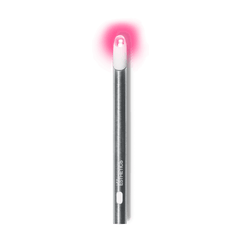
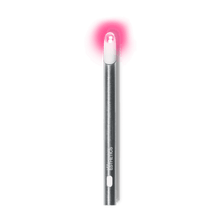
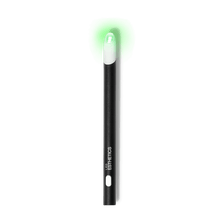
The Glotech™ Lip Wand stands out with its ability to significantly reduce the healing time of cold sore outbreaks to just three days. This rapid action is coupled with its capacity to rejuvenate dry and damaged lips, offering a comprehensive solution for oral health. The use of infrared light technology enables deep tissue regeneration, healing cold sores from within and restoring lip health, making it an essential tool for those seeking quick and effective relief from herpes symptoms.
Backed by Science and FDA Clearance
.
This wand is not just another beauty gadget; it's the first and only FDA-cleared device specifically designed for treating herpes. With hundreds of independent clinical studies backing its effectiveness, users can trust in its safety and efficacy. The FDA clearance adds an extra layer of credibility, ensuring that the wand meets stringent health and safety standards. This endorsement is particularly significant in a market flooded with unverified claims and untested products.
A Suite of Clinically-Proven Benefits
.
Beyond merely treating cold sores, the Glotech™ Lip Wand offers a range of clinically-proven benefits. It enhances tissue regeneration, boosts the immune response, and reduces inflammation. Additionally, it increases blood circulation and provides pain relief. These benefits are crucial in not only treating the immediate symptoms of herpes but also in preventing future outbreaks, making it a comprehensive tool for managing oral herpes effectively.
User-Friendly Design and Advanced Technology
.
The Glotech™ Lip Wand's design focuses on user convenience and advanced technological integration. It features a wireless, internal rechargeable battery, making it portable and easy to use anywhere. The device is equipped with four LEDs that emit a near-infrared wavelength of 1072nm ±12nm, ensuring precise treatment. The LED technology is specifically tailored to maximize the therapeutic benefits while keeping the treatment duration short, at just three minutes per session. This combination of advanced technology and user-friendly design makes it an accessible and efficient tool for everyday use.
Skin tools come and go, but a few technologies earn their reputation because they work below the surface, where real repair happens. Near infrared light therapy is one of them. It’s the “invisible” part of many advanced LED devices, used in clinics and at home to support healing, reduce inflammation, and improve the way skin functions over time.
If you’ve been seeing terms like NIR light therapy, infrared LED therapy, or photobiomodulation and wondering what’s real versus marketing, this guide breaks it down in a practical way: what near infrared light is, what it’s used for, how it differs from red light therapy, and what to look for in an effective at-home device.
Clinical Insights on Near-Infrared Light Therapy
Near infrared light therapy is a form of LED light therapy that uses invisible wavelengths, most commonly in the 800–880nm range, to deliver light energy deeper into tissue than visible light can reach. You won’t “see” the light the way you do with red or blue LEDs, but your body still absorbs it.
You’ll often hear near infrared light therapy described under the umbrella term photobiomodulation. That simply means specific wavelengths are used to influence cellular processes, especially those tied to repair and recovery, without damaging the surface of the skin.
Because it penetrates deeper, near infrared is often included in advanced LED masks and panels designed for more than surface glow. It’s used for skin resilience, post-treatment recovery, inflammation support, and even body-focused recovery routines.
Near Infrared vs Red Light Therapy: What’s the Difference?
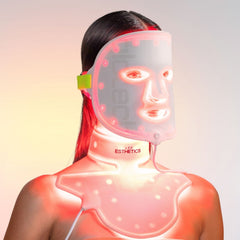
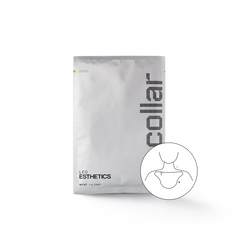
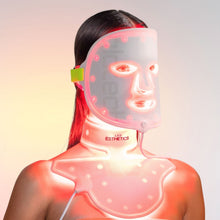
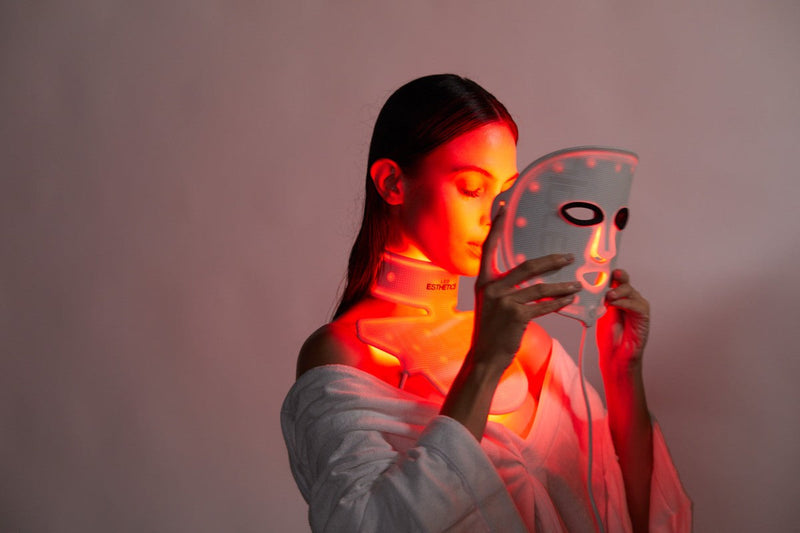
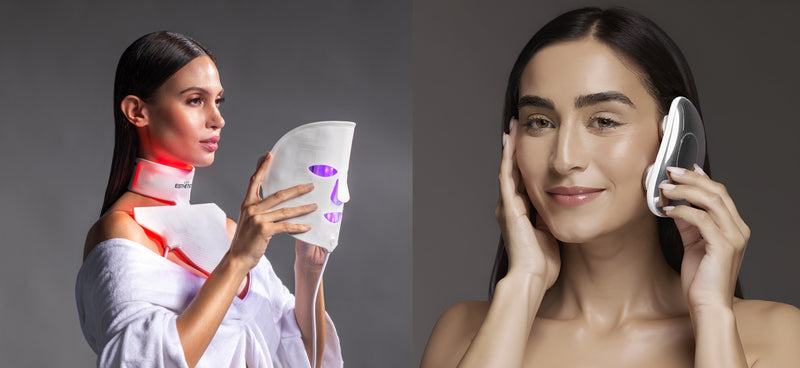
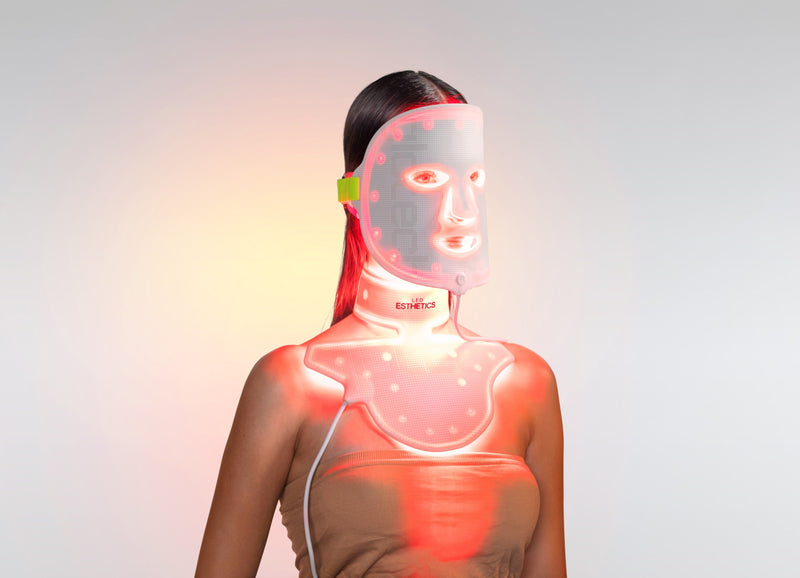
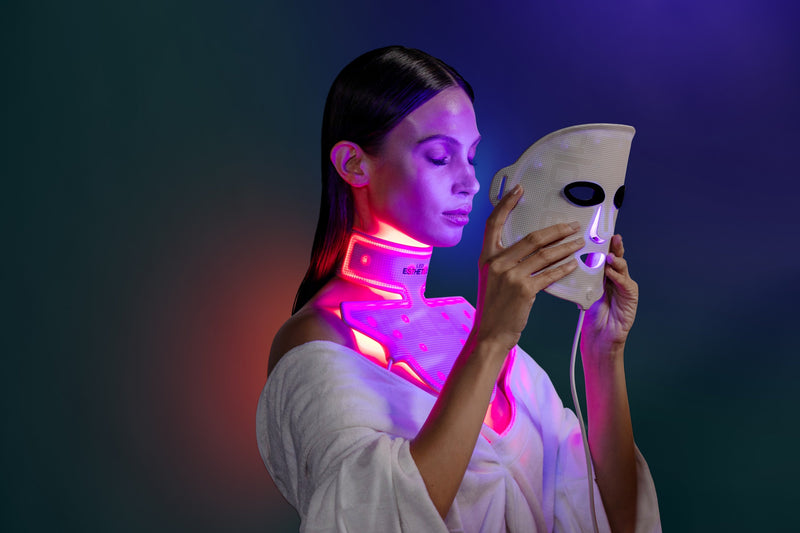
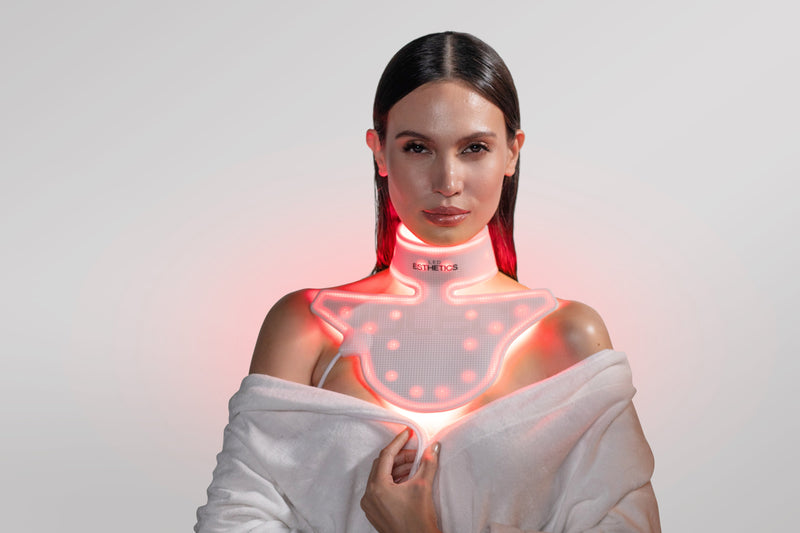
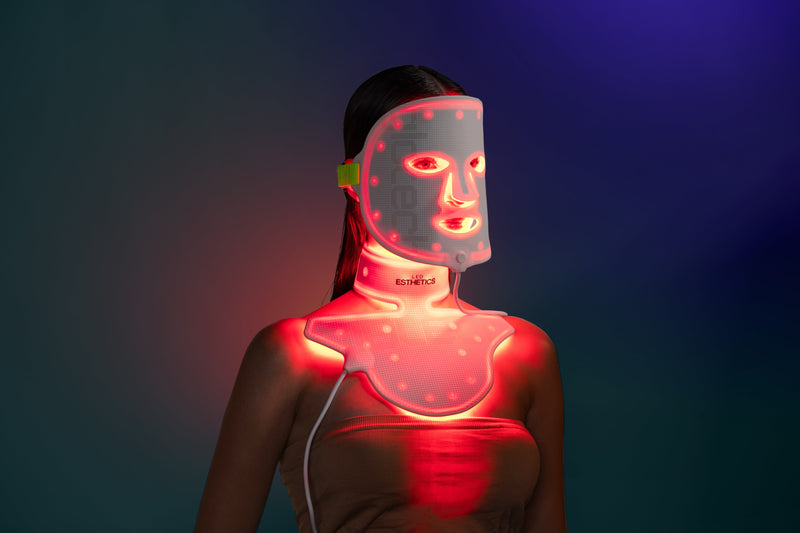
Red light and near infrared light are often paired in the same device like seen with LED Esthetics’ LED face mask and red light neck mask, but they’re not identical.
Red light therapy (commonly around 630–660nm) is visible and tends to focus more on skin-level changes like tone, texture, redness, and collagen support in the dermis.
Near infrared (commonly around 800–880nm) goes deeper and is more associated with recovery support, tissue repair, and calming inflammation beneath the surface.
A simple way to think about it:
Red light is often chosen for visible skin refinement, while near infrared is added when the goal includes deeper repair support. That pairing is why many high-quality LED devices such as those from LED Esthetics’ combine both.
How Near Infrared Light Therapy Works Beneath the Skin
Near infrared light is absorbed by molecules inside cells that play a role in energy production. Much of the research centers on the mitochondria, where cells produce ATP—an essential fuel source for repair processes.
When cells have more available energy, the body can support recovery pathways more efficiently. That’s why near infrared light therapy shows up in discussions around inflammation control, wound recovery, and improving how skin and tissue “bounce back” after stress.
It’s also worth clearing up a common misconception: near infrared LED therapy isn’t the same as heat-based infrared treatments. A quality LED light therapy device is designed to deliver light energy without relying on heat to create results.
Benefits of Near Infrared Light Therapy
The benefits of near-infrared light are seen across both skincare and recovery applications because of its direct role in supporting tissue health. Many people notice the most improvement in areas affected by inflammation, irritation, or slow healing.
Two broad categories where it’s most relevant:
Skin-focused benefits
Near infrared is often used to support:
Calmer-looking skin after irritation or stress
Improved visible resilience (skin that looks less reactive)
More supported repair after cosmetic treatments
Long-term skin vitality when paired with red light wavelengths
Recovery-focused benefits
Near infrared is also used on the body for:
Muscle recovery support after training
Joint comfort and stiffness support
General tissue recovery routines when the goal is to feel looser and less inflamed
It’s not a “one-session transformation” type of tool. It’s skin support technology used when you want skin and tissue to function better, not just look temporarily brighter.
What Is Near Infrared Light Therapy Used For?
Near infrared light therapy is most commonly used for:
Inflammation-prone skin If your skin tends to look red, irritated, or slow to settle after breakouts, near infrared is often used alongside red wavelengths for a more comprehensive approach.
Aging support beyond the surface Near infrared is frequently included in anti-aging routines because it supports deeper tissue health, while red light targets collagen-related changes closer to the dermis.
Post-procedure recovery Many clinical protocols include near infrared light after treatments because it supports calmer skin and recovery pathways.
Body recovery routines Panels and larger devices are commonly used on shoulders, back, knees, and other areas where people want recovery support.
If your main goal is acne bacteria control, blue light is the more direct tool. Near infrared and red light are more about the environment underneath, supporting repair and inflammation control.
How to Use Near Infrared Light Therapy at Home
A simple at-home approach is to treat on clean skin before heavier products. Light energy penetrates better when it isn’t competing with thick layers.
A practical routine looks like:
Cleanse and pat skin dry
Apply a light activated serum
Complete your LED session, which for LED Esthetics’ devices is generally 10 minutes.
Follow with hydration and barrier support (moisturizer, soothing serum)
If you use strong actives (retinoids, exfoliating acids), keep them away from immediately irritated skin and avoid stacking too many intense steps in one routine. Most people find that LED + hydration is the easiest pairing when they want skin to stay calm.
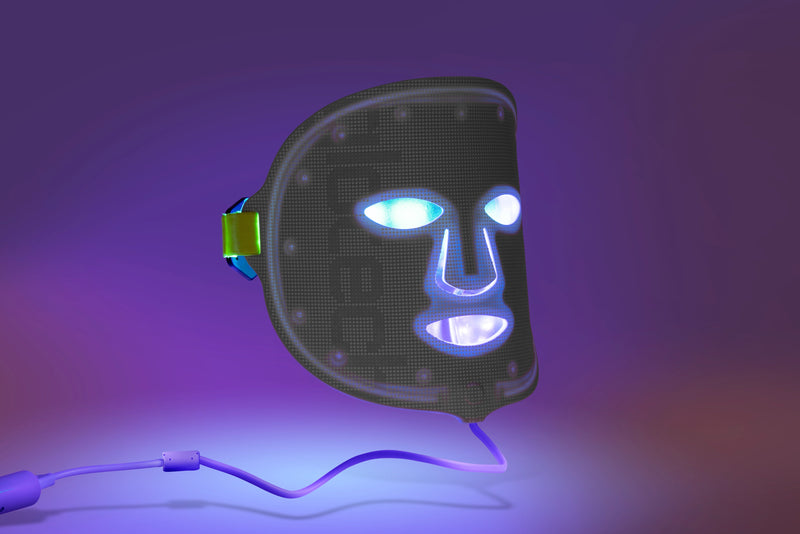
The most popular LED Esthetics devices include near infrared light therapy, Glotech LED face mask and red light neck mask, effective for recovery and visible skin support, especially when paired with red light in the same treatment mode.
Is Near Infrared Light Therapy Safe?
Near infrared LED therapy is widely considered safe when used as directed. It does not involve UV light, and it’s designed to support cellular function without damaging skin tissue.
That said, certain situations deserve extra caution:
Photosensitive conditions
Medications that increase light sensitivity
Active skin infections or open wounds (unless guided by a clinician)
Eye comfort concerns with high-output panels (avoid staring directly at LEDs)
For most people, the main “side effects” are mild and practical: temporary warmth, brief redness, or mild dryness if skin is already compromised. If that happens, reduce session length and focus on barrier support afterward.
What to Look for in a Near Infrared LED Device
Not all “infrared” devices are built the same. If you want results you can actually trust, look for specifics, not vague claims.
Key things that matter:
FDA-clearance (the Glotech range are is FDA cleared, and backed by dermatologists)
Listed wavelengths (avoid listings that never mention nanometers)
Near infrared in a recognized therapeutic range (commonly around 800–880nm)
LED coverage (especially in LED masks, patchy spacing leads to patchy treatment)
A device format that fits the goal (mask for face, collar for neck, panel for body)
Clear usage guidance and safety testing signals (brands that explain protocols usually take performance seriously)
If a product only says “infrared technology” with no numbers, it’s hard to evaluate what you’re actually getting.
Final Thoughts
For those incorporating LED into a long-term skin or recovery routine, near-infrared light provides the kind of deep support that surface-level treatments cannot. With regular use, it supports tissue recovery, resilience, and overall skin function.
At-home solutions such as LED Esthetics’ Glotech LED devices, designed with clearly defined wavelengths and consistent full-area coverage, integrate seamlessly into a complete LED routine, often alongside red light therapy for broader, more sustained results.
LED light therapy isn’t a trend anymore. It’s a real, science-backed part of modern skincare, trusted by dermatologists and aestheticians for improving everything from breakouts to visible aging. As more people add clinically-backed LED devices into their routines, one question keeps coming up. What’s the difference between red light and blue light therapy?
Both are effective, but they’re designed for different skin needs. Red light focuses on healing and long-term skin strengthening, while blue light targets acne at the source. The good news? Once you know what each wavelength does, choosing the right light (or using both together) becomes simple, and your results get a lot more predictable.
What Is Red Light Therapy?
Red light therapy uses visible red wavelengths, typically around 630–660nm, sometimes paired with near-infrared light for deeper support. These wavelengths penetrate further into the skin than most topicals can reach. Instead of working on the surface, red light influences how cells function underneath, especially the mitochondria, which produce the energy your skin uses to repair and renew itself.
When skin cells absorb red light, they generate more ATP (cellular energy). That extra energy helps drive collagen production, strengthen the skin barrier, calm inflammatory signals, and speed up recovery from irritation or damage.
Because red light therapy doesn’t rely on heat or abrasion, it’s gentle and safe for frequent use. Rather than targeting just one concern, it supports overall skin health, which is why it’s often considered the “foundation” wavelength in LED routines.
What Is Blue Light Therapy?
Blue light therapy uses shorter visible wavelengths, usually around 405–420nm. These wavelengths don’t travel as deeply as red light, but that’s the point. Blue light works closer to the surface, where acne develops, and targets the bacteria responsible for breakouts.
Blue light therapy uses shorter visible wavelengths, usually around 405–420nm. These wavelengths don’t travel as deeply as red light, but that’s the point. Blue light works closer to the surface, where acne develops, and targets the bacteria responsible for breakouts.
Specifically, blue light disrupts acne bacteria by triggering a chemical reaction that destroys bacteria without harming surrounding skin tissue. This reduces active acne, prevents future breakouts, and helps calm the redness that comes with inflamed pimples.
Blue light therapy is especially useful for treating oily skin and acne because it pinpoints the root cause of many breakouts rather than just drying them out. Unlike many acne products, it does this without stripping the skin barrier.
Red Light vs. Blue Light Therapy: Key Differences
Even though both are LED therapies, they’re built for different jobs. Here’s how they compare in a way that’s easy to remember:
Red light therapy is best known for:
Supporting collagen and elastin (firmness + elasticity)
Reducing inflammation and redness
Improving skin texture and tone
Speeding up healing and recovery
Helping sensitive or barrier-compromised skin
Blue light therapy is best known for:
Killing acne-causing bacteria
Reducing active breakouts
Calming surface-level inflammation
Helping prevent future acne
Supporting clearer pores and less congestion
A simple way to frame it is, red light heals and strengthens, blue light clears and prevents. That's why advanced LED routines often use both with each wavelength covering what the other doesn’t.
Results Timeline: What to Expect and When
LED therapy improves skin progressively. That’s actually a good thing, because results are built by strengthening skin function, not forcing short-term changes.
With blue light, people often notice fewer inflamed breakouts and faster pimple resolution within a couple of weeks, especially if acne is bacterial/oil driven. With red light, results can look subtler at first, then stack into visible improvements in tone, texture, and firmness over several weeks.
A big factor in how fast you see results isn’t doing longer sessions, it’s doing regular ones. Most devices are designed for about 10 minutes per treatment, several times per week. Sticking to that rhythm is what creates clear, lasting improvement.
What Makes an LED Device Actually Effective?
Not every LED device delivers meaningful results. A lot of cheap masks and panels use weak output or the wrong wavelength ranges. To get real benefits (and avoid disappointment), look for devices that use clinically validated wavelengths and even light distribution.
Key things that matter:
Proper wavelength ranges (red ~630–660nm, blue ~405–420nm)
Consistent power output across the full treatment area
Comfortable fit or coverage so treatments stay consistent
Clinical testing or FDA clearance whenever possible
Combination modes if you want both acne + anti-inflammation support
LED Esthetics Glotech devices are built around clinically validated wavelengths and reliable power output, so you’re actually getting treatment-level light instead of a low-strength glow. Whether you’re using a full-face option like the GloTech™ Mask Pro, or targeted tools like the GloTech™ Acne Wand or GloTech™ Minis, the same quality standards matter.
The right device makes it easy to stay consistent, and consistency is the reason LED therapy works in the first place.
Are There Any Side Effects With Red and Blue Light Therapy?
Both wavelengths are considered low risk for most people, especially compared to harsher acne or anti aging treatments. Still, like any skincare tool, the best results come from using it correctly. The most common “side effect” is mild dryness or temporary sensitivity, and that usually happens when sessions are too long or too frequent. LED therapy works through controlled exposure, so sticking to your device’s recommended timing is important.
How you prep your skin also matters. Use your red or blue light device on clean, dry skin, or after applying a light-activated serum. Thick creams, facial oils, or heavy occlusives can block light penetration and reduce effectiveness. If you use strong actives like retinol, exfoliating acids, or benzoyl peroxide, apply them after your LED session or on alternate nights. This keeps your skin calm and avoids unnecessary irritation.
There are a few cases where you should be more cautious. If you have a photosensitive condition, take medication that increases light sensitivity, or are managing a medical skin issue, it is smart to check with a clinician before starting. For everyone else, starting slowly and following the treatment guidelines is usually enough to keep LED therapy safe, comfortable, and effective long term.
Red Light Therapy vs. Infrared Saunas: What’s the Difference?
LED-SCIENCE [10-21-2025]
BY MADISON CARTER
Red Light Therapy vs. Infrared Saunas: What’s the Difference?
At-home wellness tech has exploded in the past few years, and two options keep showing up everywhere: red light therapy and infrared saunas. They sound similar because both use light on the body, but they’re not interchangeable. One is designed to energize your cells for repair and skin renewal, while the other uses heat to promote sweating, circulation, and full-body relaxation.
If you’re deciding between the two, the most important thing is this: they work through different mechanisms and deliver different results. This guide breaks down how each treatment functions, what benefits you can realistically expect, and how to choose the right one based on your skin and wellness goals.
How Red Light Therapy Works
Red light therapy (also called photobiomodulation) uses specific wavelengths of red and near-infrared light, commonly in the 630–850 nm range, to deliver low-level energy into the skin. Instead of heating tissue, this light is absorbed by mitochondria inside your cells, helping them produce more ATP (adenosine triphosphate). ATP is essentially cellular fuel, and more of it means better repair, faster recovery, and stronger skin function.
Because the treatment is non-thermal, it’s extremely gentle. It supports natural collagen production, reduces oxidative stress, and helps balance inflammatory signals in the skin. Over time, this can make a visible difference in texture, redness, and overall firmness, especially for sensitive, aging or acne-prone skin.
Another advantage is precision. Red light therapy can be applied to specific areas including the face, neck, chest, scalp, joints, or localized pain spots, so it’s easy to target the exact concern you want to improve. This makes it a popular choice for people focused on skin rejuvenation, post-procedural healing, chronic redness, or recovery from workouts and inflammation.
How Infrared Saunas Work
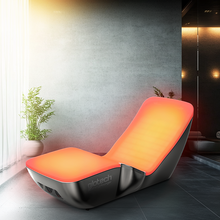
Infrared saunas use infrared wavelengths to warm the body directly, rather than heating the surrounding air like a traditional sauna. This deeper, more penetrating heat raises your core temperature gradually, which triggers sweating and a strong circulation response. In practice, that means your body gets the benefits of a sauna session at a lower ambient temperature, often with a more comfortable experience.
The main mechanism here is thermal stress. As your internal temperature rises, your blood vessels dilate, your heart rate increases similar to light cardio, and your body begins to sweat heavily. That sweat response supports detoxification through the skin and can leave you feeling looser, calmer, and more recovered, especially for muscle soreness or tension.
People often use Infrared saunas to unwind after long days, support circulation, help sleep quality, or ease stiff joints. While they can improve skin appearance indirectly through better blood flow, they’re not designed to stimulate collagen or cellular repair in the same direct way red light therapy does.
Red Light Therapy vs. Infrared Saunas: What’s the Real Difference?
Although both treatments sit within the broader light spectrum conversation, the real difference comes down to energy vs. heat and targeted vs. systemic benefits.
Red light therapy delivers low-level light energy that improves how cells function. The result is more efficient repair, reduced inflammation, and better skin resilience. It’s specific, localized, and cumulative, meaning the more consistent you are, the more noticeable the long-term improvements become.
Infrared saunas deliver heat to trigger a physiological response. The results are systemic: circulation increases across the body, muscles relax, and sweating helps the detox process. The effects are often felt right away (relaxation, loosened muscles), but they’re less targeted for specific skin or tissue concerns.
Quick comparison:
Red light therapy: Non-thermal, cellular rejuvenation. Best for aging or acne-prone skin, collagen support, inflammation, recovery, and targeted pain areas.
Infrared sauna: Heat-based, whole-body reset. Best for relaxation, sweating, circulation, muscle recovery, and general wellness.
Feel during treatment: Red light feels neutral or slightly warm; infrared saunas feel like deep heat.
Typical session: 10–15 minutes for red light; 15–30 minutes for infrared saunas.
Can You Use Both Together?
You can, but it depends on what you want out of your routine. Red light therapy fits naturally into a daily schedule because it’s quick, gentle, and supports ongoing skin and recovery goals without needing heat or long sessions. An infrared sauna can still pair well with it, but more as an occasional deeper unwind for relaxation and circulation, not something most people use every day.
If you choose to combine them, many prefer doing sauna sessions on select days for the full-body reset, then relying on red light therapy throughout the week for steady skin and recovery support. Because they work in different ways, they don’t overlap, you just want to space sessions based on comfort, especially with heat.
Which One Works Better for Your Goals?
Most people ultimately choose based on what they want to treat, and red light therapy often ends up being the more practical choice for daily use. It delivers targeted skin improvements, supports steady recovery, and fits easily into a short routine without the heat, space, or setup that saunas require. Infrared saunas still have a clear role for deep relaxation and detox, but they’re more of a full-body wellness session than a targeted skin treatment.
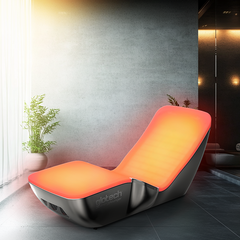
If you’re deciding between the two, especially when thinking about long-term skin goals or budget, red light therapy is the more efficient starting point. With options ranging from full-body devices that treat large areas (similar to infrared saunas) to LED masks and targeted tools for precise treatment, it offers a flexible, high-impact routine that’s easy to maintain at home. The right device can support visible skin improvements and recovery benefits in a way that’s consistent, accessible, and sustainable long term.
Red Light Therapy vs. Infrared Sauna Safety and Side Effects
Both red light therapy and infrared sauna therapy are considered safe for most people, but they work in different ways, so the safety experience isn’t identical. Red light therapy is non-thermal, meaning it doesn’t raise core body temperature, which makes it a gentler option for sensitive, redness-prone, or inflammation-prone skin. Using a reputable, clinically tested or FDA-cleared device and sticking to recommended session times keeps risk low and results consistent.
Follow session guidelines (usually 10–15 minutes) instead of extending time to “speed up” results. Frequency of sessions is more important than session duration.
Keep eyes closed during facial treatments and avoid staring directly at LEDs.
Don’t apply thick, occlusive creams before red light sessions, as they can block penetration.
Infrared saunas are also safe when used correctly, but because they rely on deep heat, it’s best to ease in if you’re heat-sensitive or new to sauna therapy. Start with shorter sessions, listen to how your body responds, and build up gradually. If you’re pregnant, taking photosensitizing medications, or managing conditions that affect circulation or temperature regulation, check with a healthcare professional before starting either red light therapy or infrared sauna use.
LED light therapy has taken center stage in modern skincare, offering targeted wavelengths to treat everything from breakouts to signs of aging. Among the most popular is red light therapy, known for its ability to boost collagen, calm inflammation, and support overall skin health.
As at-home LED devices become more mainstream, so do questions—especially around safety. One concern we hear often: is red light therapy safe for the eyes? Given the delicate nature of the eye area, it’s a valid worry. In this guide, we’ll explore what the research says, how to use LED masks safely, and why red light therapy can still be a gentle, effective part of your routine—with the right precautions.
Red light therapy is generally considered very safe for the eyes, especially when used as directed. Unlike ultraviolet (UV) light, which can damage skin cells and ocular tissues, red and near-infrared light fall within a non-ionizing range of the light spectrum. This means they do not carry enough energy to alter cellular DNA or cause harm to your eyes with short-term, controlled exposure.
That said, red light therapy devices, particularly full-face masks, emit bright light that can cause temporary discomfort if you stare directly into the LEDs without protection. While it may not permanently damage the eyes, prolonged direct exposure can lead to light sensitivity, eye fatigue, or irritation, especially for those with conditions like dry eye or photosensitivity.
Do You Need Eye Protection for Red Light Therapy?
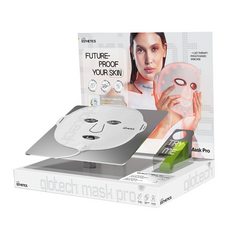
Most high-quality LED face masks , like the GloTech™ Mask Pro , are designed with eye safety in mind and don’t require goggles during use. These devices typically reduce light intensity around the eyes or avoid direct exposure altogether, making them safe and comfortable for regular treatments. Their built-in design ensures targeted benefits without putting strain on sensitive eye areas.
That said, it’s always best to follow the instructions provided with your device to ensure proper use. If you're using a red light panel or have sensitive eyes, wearing goggles or simply keeping your eyes closed can offer extra comfort. Many users also prefer to lie back and relax during treatment, making the experience both soothing and effective.
Tips for Safely Using Red Light Therapy
To get the most out of your red light therapy while protecting your eyes, here are a few simple tips to follow:
Choose an FDA-cleared LED device to ensure the technology meets established safety standards and delivers clinically tested results.
Follow all manufacturer instructions, especially for facial masks and light panels.
Avoid looking directly into the LEDs, even if the light appears soft or non-intense.
Keep your eyes closed during treatment, or use protective goggles if your eyes are more sensitive to light
Stick to the recommended session time, typically 10–20 minutes, to avoid unnecessary strain.
These precautions help maintain both comfort and safety, especially with regular use around the eye area. Using a trusted, FDA-cleared device like the GloTech™ Pro LED Face Mask ensures you get real results without compromising on safety.
The Bottom Line: Is Red Light Therapy Safe for Eyes?
Yes, red light therapy is widely considered safe for the eyes when used correctly. The wavelengths used in most high-quality, at-home LED light therapy devices are gentle and non-damaging, especially when safety instructions are followed. Opting for an FDA-cleared device adds an extra layer of confidence, ensuring the technology meets tested safety standards and delivers proven, effective results.
If you’re just starting out or have sensitive eyes, begin with shorter sessions and keep your eyes closed to ease into treatment comfortably. With a consistent routine and a well established device, like those from LED Esthetics, you can enjoy all the skin benefits of red light therapy without putting your eye health at risk.
LED Light Therapy vs. Microcurrent: Key Differences and Benefits
LED-SCIENCE
[07-18-2025]
by Madison Carter
LED Light Therapy vs. Microcurrent: Key Differences and Benefits
When it comes to at-home skin-enhancing technology, two names dominate the conversation: LED light therapy and microcurrent. Both are praised by aestheticians and skincare experts, but they work in very different ways and offer unique benefits. Microcurrent stimulates facial muscles to lift and tone, while LED therapy works beneath the surface to improve skin clarity, texture, and strength. The key is understanding how each technology functions and which one aligns best with your daily routine and long-term results.
Microcurrent therapy delivers low-level electrical pulses into the skin to stimulate the facial muscles, mimicking the body’s natural bioelectric currents. Think of it as a gentle workout for your face, toning and lifting muscles just beneath the skin’s surface.
Originally developed to treat muscle paralysis, microcurrent later gained popularity in the beauty and skincare world for its visible contouring effects. Often called a “non-invasive facelift,” it’s known for helping define the jawline, lift the brows, and reduce puffiness. Results are typically subtle at first, and like any routine, long-term improvements rely on consistent use over time.
What Is LED Light Therapy?
Unlike microcurrent, LED therapy doesn’t target muscles. It works deeper at the cellular level, using specific wavelengths of light to trigger biological processes within the skin. This supports everything from improving overall skin health to enhancing resilience, clarity, and long-term radiance.
The most common wavelengths are red and blue. Red light penetrates into the deeper layers to stimulate collagen and reduce inflammation, making it ideal for aging, sensitive, or stressed skin. Blue light works closer to the surface to eliminate acne-causing bacteria and help prevent future breakouts. Some advanced masks also feature near-infrared light, which penetrates even deeper to support tissue repair and improve overall skin health.
Benefits of Microcurrent vs. LED Light Therapy
While both treatments offer impressive benefits, here’s how they stack up:
Microcurrent: Best for lifting and toning facial contours by stimulating the underlying muscles. Ideal for improving firmness and definition but requires conductive gel, consistent use, and regular upkeep to maintain results.
LED Therapy: Best for calming inflammation, targeting breakouts, brightening dull skin, and softening signs of aging. It works by improving overall skin function and encouraging natural healing—no gel, no downtime, and safe for most skin types.
How Long Does Each Treatment Take?
When it comes to consistency, time matters and so does ease of use.
Microcurrent: Treatments typically take 10–20 minutes , depending on the device and areas targeted. It also requires prep time with a conductive gel and careful application over facial muscles. Skipping steps can impact results, so consistency is key.
LED Therapy: Most LED masks require just 10 minutes per session , with no extra prep. Simply apply to clean, dry skin and let the light work its magic. There’s no need for gel, pressure, or perfect placement. Light-activated serums can be layered beforehand to enhance results, but aren’t required.
Are There Any Side Effects of Microcurrent?
Microcurrent is widely considered safe for most, though it may not be suitable for everyone. Those with pacemakers, epilepsy, or who are pregnant should avoid it, as the electrical currents can interfere with sensitive health conditions. It's also recommended to pause treatments for about a week after Botox or filler injections to avoid disrupting the placement of the product.
To use microcurrent safely, always apply a conductive gel to prevent irritation and ensure the current penetrates effectively. While side effects are rare, improper use or skipping gel can lead to tingling or sensitivity.
The Best LED Light Therapy Devices
GloTech™ Mask Pro
This FDA-approved LED Face Mask combines red, blue, and near-infrared light for total skin rejuvenation. Medical professionals recommend it as a reliable way to stay consistent between clinic visits and maintain professional-level results at home. With flexible silicone and even light distribution, it delivers a spa-like experience with no appointment needed.
Glotech™ Pro
Glotech Pro is a lightweight, medical-grade silicone LED mask offering both blue and red light wavelengths.
Blue light fights active acne while red light stimulates collagen production , aiding in skin recovery and minimizing post-acne marks.
It’s ideal for users seeking an advanced, dermatologist-level treatment from home.
GloTech™ Lite
Featuring red and blue light, GloTech™ Lite LED Face Mask is perfect for acne-prone or combination skin. Customers have reported clearer skin, fewer breakouts, and more confidence going makeup-free. It’s wireless, hands-free, and ideal for those just getting started with LED therapy.
Glotech™ Lite
Glotech Lite features the same high-intensity blue light therapy in a streamlined, durable plastic design.
It’s a cost-effective and beginner-friendly option for anyone exploring light-based acne solutions without compromising on power.
GloTech™ Acne Wand
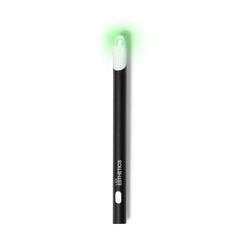
This compact, handheld LED device delivers red and blue light directly to problem areas, helping to reduce inflammation and eliminate acne-causing bacteria. It’s perfect for spot-treating hormonal breakouts or flare-ups around the jawline, chin, or neck. Small enough to travel with and simple to use, it’s a smart addition to your routine that delivers targeted, reliable results.
Glotech™ Wand
GloTech Acne Wand combines red and blue light therapy in a sleek, portable design for targeted acne treatment.
It’s a powerful, FDA-cleared solution that reduces breakouts and helps prevent new ones in just 3 minutes a day.
The wand is ideal for targeting individual blemishes, clinically proven, and beginner-friendly.
Ultimately, LED therapy is more versatile and beginner-friendly. It integrates seamlessly into most skincare routines, supports a wide range of skin concerns, and continues to improve skin quality over time. Plus, it’s more forgiving if you miss a session or two, making it easier to stay consistent and see results that last.
LED light therapy has come a long way from its red-and-blue beginnings. Today’s professional grade LED face masks and devices often feature up to seven different light colors—each one targeting specific skin concerns through distinct wavelengths. From breakouts and redness to dull tone and fine lines, these multi-spectrum devices promise more personalized skincare than ever before.
But not all LED colors are equally effective. While each has a role, research consistently shows that red, blue, yellow, and infrared lights offer the most reliable, science-backed results. Understanding how each wavelength interacts with your skin can help you skip the gimmicks, personalize your LED light therapy treatment , and get the most from your device. With that in mind, here’s a breakdown of what each LED light color is said to help with.
LED light therapy is a popular, non-invasive skincare treatment that uses visible light wavelengths to target specific skin concerns . Originally developed for clinical use, it’s now widely available in at-home devices that use different light colors to help with acne, signs of aging, inflammation, uneven tone, and more.
Each LED light color penetrates the skin at varying depths to activate different cellular responses. By energizing skin cells, this therapy supports collagen production, calms irritation, and promotes a clearer, more balanced complexion over time. Focusing on effective wavelengths like red, blue, yellow, and infrared can lead to noticeable improvements in overall skin health, tone, and texture.
LED Light Therapy Color Chart
Refer to this LED color chart to see how each light targets different skin concerns. Exact wavelengths may vary slightly depending on the device you are using.
Blue Light (415–450nm)
Blue LED light works on the surface of the skin and is best known for treating active acne . It targets Propionibacterium acnes, the bacteria responsible for breakouts, without irritation or dryness.
Benefits of blue LED light include:
Clears existing breakouts
Prevents new acne from forming
Calms inflammation and redness
Helps reduce oil production
This is the go-to light for oily, acne-prone, or congested skin types.
Yellow Light (570–590nm)
Yellow light therapy sits in the sweet spot between red and green wavelengths, combining anti-inflammatory properties with circulation support.
It’s excellent for sensitive, easily flushed skin or post-procedure downtime.
Red Light (630–660nm)
Red light is the most well-known in LED therapy—and for good reason. It penetrates deep into the dermis to stimulate fibroblasts, the cells responsible for producing collagen and elastin.
It’s ideal for anyone concerned with early signs of aging, sagging, or dull skin.
Infrared Light (Over 700nm)
Infrared light is invisible to the naked eye but deeply penetrates the skin—reaching into the hypodermis—to support cell regeneration and healing at a foundational level. It’s often used in clinical and recovery settings.
Infrared therapy is ideal for mature skin, deep healing, and post-procedure recovery, as well as managing chronic skin conditions or pain-related concerns.
Purple Light (380–430nm)
Purple light therapy is a blend of blue and red wavelengths, combining acne-fighting and skin-rejuvenating benefits. It’s ideal for targeting breakouts and signs of aging together.
Benefits of purple LED light include:
Clears breakouts while promoting healing
Reduces post-acne redness or scarring
Supports anti-aging and skin renewal
Ideal for adult acne or hormonal skin concerns
Green Light (520–530nm)
Green light is often overlooked, but it's powerful when it comes to evening out skin tone. It targets melanin production in the basal layer and helps regulate overactive pigment cells.
Benefits of green LED light include:
Reduces dark spots, sun damage, and melasma
Brightens and evens out skin tone
Calms irritated or reactive skin
Supports a clearer, more radiant complexion
Orange Light (590–620nm)
Orange LED light bridges the gap between yellow and red light, offering a mix of brightening and anti-inflammatory benefits. It’s particularly effective for revitalizing tired or stressed skin and improving overall tone.
Benefits of orange LED light include:
Energizes and revitalizes dull, fatigued skin
Promotes lymphatic flow and detoxification
Enhances skin clarity and radiance
Reduces puffiness and under-eye circles
The Best LED Colors to Add to Your Skincare Routine
The beauty of LED light therapy lies in its ability to deliver targeted, non-invasive treatments for a wide range of skin goals. From blue light’s acne-fighting power to the collagen-stimulating benefits of red and infrared wavelengths, LED color therapy continues to evolve with both cosmetic and clinical promise.
While seven-color LED devices are often marketed as the most advanced, the smartest approach is focusing on what’s clinically proven to work. Red, blue, yellow, and infrared light remain the gold standard for visible skin transformation and are worth prioritizing in your routine. By understanding how each color works and applying it consistently, you can treat your skin with precision and confidence, right from home.
LED light therapy has become a staple in skincare routines across the globe, promising visible results through the power of targeted wavelengths. But as more at-home devices and spa treatments flood the market, so too does confusion, especially around LED colors. Many masks now claim to offer the benefits of seven, even eight different light colors. But is more always better?
In this guide, we break down what each LED color actually does, which ones are backed by science, and why blue, yellow, red, and infrared remain the gold standard for results. We’ll also introduce the LED Esthetics GloTech™ Mask Pro, one of the most advanced at-home LED face masks available today.
LED light therapy uses colored light emitted by nonthermal, noninvasive diodes. This means there’s no heat, no skin damage, and no need to break the skin barrier for results. Unlike sunlight, LED devices do not emit ultraviolet radiation, making them safe for regular skincare use. It’s a gentle yet powerful way to activate the skin’s natural healing processes.
Each LED color corresponds to a specific light wavelength, measured in nanometers. These wavelengths determine how deeply the light penetrates into the skin, and what effects it has:
Shorter wavelengths like purple, blue, and green light (around 400–470nm) remain closer to the surface of the skin, targeting bacteria, inflammation, and oil production.
Longer wavelengths like yellow, orange, red, and infrared light (up to 850nm) penetrate deeper into the dermis, stimulating collagen production, improving circulation, and reducing visible signs of aging.
By understanding the science behind LED wavelengths, it becomes clear why different colors are used for different skin goals, and why some lights deliver results while others are more hype than science.
The Truth About 7-Color LED Face Masks
You’ve probably seen them on social media: LED face masks that claim to offer seven different light colors, each with a distinct skincare superpower. Purple for healing, green for pigmentation, orange for glow, and the list goes on. But here’s the reality:
Most 7-color masks cycle through visible light without offering the specific wavelengths or output required for true therapeutic results. These lights may look impressive but often lack the clinical power or targeted efficacy of medical-grade devices.
There’s no harm in them, but if you’re looking for real change in your skin, it’s smarter to focus on colors proven to work.
LED Light Therapy Color Benefits
If you’re serious about achieving visible results, focus on clinically proven wavelengths that deliver real change. Here are the LED light colors most recommended by dermatologists and skin professionals to include in your skincare routine, each backed by science and results-driven benefits.
Red Light
Red light (630–660nm) is one of the most powerful wavelengths used in skincare. It penetrates deep into the skin’s dermis to activate fibroblasts, the cells responsible for producing collagen and elastin. These structural proteins are essential for firm, plump, and youthful-looking skin.
Stimulates collagen production for long-term rejuvenation
Enhances circulation, bringing oxygen and nutrients to the skin
Reduces redness and calms inflammation
Blue Light
Blue light (around 415nm) is one of the most widely used and clinically supported colors in dermatology. It penetrates the upper layers of the skin and targets Propionibacterium acnes , the bacteria that causes breakouts and oily skin.
Benefits of Blue Light Therapy:
Eliminates acne-causing bacteria
Reduces oil production
Calms inflammation and redness
Helps prevent future breakouts
Yellow Light
Yellow light (around 590nm) works just below the surface to boost circulation, support lymphatic drainage, and reduce redness. If your skin tends to react easily or you’re recovering from procedures like microneedling or peels, yellow light is an excellent addition.
Infrared light (810–850nm) goes even deeper than red light, reaching into the subdermal layers of the skin. Though invisible to the naked eye, it plays a crucial role in cellular repair, healing, and regeneration.
Benefits of Infrared Light Therapy:
Supports deeper tissue healing and cellular energy production
Boosts collagen synthesis and enhances skin density
Reduces chronic inflammation
Aids in joint and muscle recovery when used on the body
Helps with wound healing and post-treatment recovery
Why the GloTech Mask Pro Stands Out?
The GloTech™ Mask Pro by LED Esthetics focuses on what actually works. Instead of trying to impress with color variety, this device delivers clinical-strength wavelengths in red, blue, and infrared, chosen specifically for their research-backed benefits.
With a flexible silicone design, medical-grade LEDs, and optimized skin contact, the GloTech™ Mask Pro offers a full LED face treatment that’s powerful, non-invasive, and easy to use.
Key features include:
FDA-cleared wavelengths for safe, effective use
Pre-programmed modes for different skin goals
Soft, ergonomic fit for better light absorption
Convenient treatments in just minutes per session
Final Thoughts: Focus on Light Colors That Work
With so many devices claiming to offer multicolor benefits, it’s easy to get distracted by marketing hype. But when it comes to LED light therapy, results aren’t about how many colors you use, they’re about using the right wavelengths consistently. Red, blue, yellow, and infrared light have stood the test of clinical research for a reason: they work.
That’s why a device like the GloTech™ Mask Pro was built around these core colors, delivering targeted results for concerns like acne, aging, redness, and skin dullness. No gimmicks. No unnecessary light settings. Just proven, powerful light therapy in a comfortable, wearable design—made for consistent, effective use at home.
Invest in what works. Discover the GloTech difference and treat your skin to smarter, science-backed LED technology.
Red light therapy has quickly moved from medical offices and luxury spas to at-home self-care routines, gaining recognition for its wide-ranging benefits. But what does red light therapy actually do, and why is it becoming a go-to treatment for skin, body, and overall wellness?
By working at the cellular level, red light therapy offers a gentle, non-invasive way to promote healing and rejuvenation from the inside out. Here’s a closer look at how it works, what it can do, and how to safely bring it into your daily routine.
At its core, red light therapy uses specific wavelengths of red (630–660nm) and near-infrared (810–850nm) light to reach the skin’s deeper layers. Unlike ultraviolet (UV) light, which damages the skin, red light is absorbed by the mitochondria, our cells’ “energy centers.” This boost in cellular energy (ATP production) triggers natural processes like collagen synthesis, tissue repair, and inflammation reduction.
By energizing your cells in this way, red light therapy can support regeneration and healing without heat or discomfort. This makes it a favorite for everything from skincare to pain relief, with treatments that can often be completed in just 10–20 minutes.
Benefits of Red Light for Skin Health
Red light therapy is best known for its ability to promote healthier, more balanced skin. When red and near-infrared light reach the skin’s deeper layers, they stimulate fibroblast activity, boosting the production of collagen and elastin, which are the proteins that keep skin smooth and supple.
Regular red light therapy sessions can:
Even out skin tone by reducing pigmentation and redness.
Calm inflammation that can trigger or worsen conditions like acne.
Repair sun damage by reducing UV-induced discoloration and redness.
Improve overall skin health by enhancing hydration and elasticity.
These results make red light therapy a standout tool for addressing uneven skin tone, dullness, and sensitivity. It also pairs well with topical treatments by helping skin respond better to nutrients and active ingredients.
Benefits of Red Light for Anti-Aging
Beyond basic skin health, red light therapy shines as an effective and popular anti-aging treatment. Collagen and elastin production naturally decline with age, leading to sagging and more pronounced wrinkles. Red light therapy addresses this by reactivating the body’s regenerative processes at a deep cellular level, helping skin appear firmer and more youthful.
Some of the standout anti-aging benefits include:
Fine lines, wrinkles, and rough patches soften over time.
Skin feels tighter and looks more youthful with consistent treatments.
A robust barrier helps protect against environmental stressors and moisture loss.
By directly boosting skin’s firmness and elasticity, red light therapy offers a gentle, non-invasive way to naturally combat visible signs of aging.
Benefits of Red Light for Recovery and Pain Relief
Red light therapy goes beyond helping skin look its best. It's a trusted solution among athletes and people dealing with chronic pain, offering a natural way to support muscle and joint recovery. Because it works at the cellular level, red light therapy helps muscles and joints recover faster and more comfortably. It soothes inflammation and supports the body’s natural healing process, making it a safe and reliable option for active lifestyles and long-term relief.
Here’s how it supports healing:
Enhanced blood flow: Boosts circulation, which helps flush out toxins and brings in oxygen for faster healing.
Post-workout or injury-related pain eases more quickly with regular treatments.
Conditions like arthritis or back pain often see improvement in flexibility and comfort.
From sprains to tendonitis, red light therapy helps with healing and reduced discomfort.
This makes red light therapy a natural way to feel better, recover more quickly, and get back to your routine feeling stronger and more balanced.
What is the Best Red Light Device for Home Treatment?
With so many red light therapy devices on the market, from small handheld wands to large full-body panels, choosing the right one can feel overwhelming. The key is to look for devices that offer proven wavelengths in the red and near-infrared range (630–660nm and 810–850nm) and safe power levels that deliver cellular benefits without irritation.
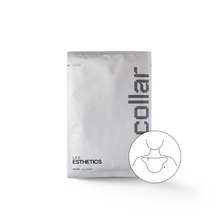
Equally important is selecting a device that provides comfort and flexibility for targeted treatments or full-body coverage. FDA-approved devices, such as the GloTech Pro™ LED face mask and the GloTech Collar™ red light therapy for neck and chest, stand out for meeting these standards with medical-grade technology. They offer an effective and easy-to-use format, bringing professional-level treatments conveniently into your home.
What Results Can You Expect from Red Light Therapy?
Seeing is believing, and the power of red light therapy is best appreciated through real-world transformations. For Adriana, 38, the results were nothing short of amazing:
“I can’t believe how much this mask has cleared my skin in just 3 weeks! My skin is literally glowing and all my dark spots are gone!”
— Adriana, 38 | ⭐ Verified Buyer
Adriana’s experience showcases just how effective red light therapy can be for improving skin clarity and overall tone. Her skin not only looks smoother and more even, but it also has a healthy glow that she says she’s never had before. This is a great example of how red light therapy doesn’t just promise results – it delivers them.
When used consistently, red light therapy helps fade hyperpigmentation, smooths rough texture, and improves overall skin health, leading to a noticeable, radiant difference. From softening wrinkles to reducing redness, the cumulative effects build over time for a clear, youthful complexion that doesn’t just look better, but feels better too.
Acne-prone skin can be frustrating, especially when breakouts return no matter how many creams or cleansers you try. That’s why more people are turning to blue light therapy—an evidence-backed, dermatologist-approved solution that targets acne at the source. Unlike harsh topical treatments, blue light therapy is gentle, non-invasive, and designed to work below the skin’s surface to combat the root causes of blemishes.
But what exactly does blue light therapy do, and how does it help clear stubborn breakouts, reduce inflammation, and minimize excess oil? In this guide, we break down the science, benefits, and results you can expect from blue light therapy —whether you're treating active acne or trying to prevent it in the future.
The benefits of blue light therapy go beyond just clearing up blemishes. This treatment supports skin health in multiple ways and is suitable for ongoing maintenance even after active acne is under control.
Key benefits include:
Killing acne-causing bacteria without antibiotics or harsh chemicals
Calming inflammation to reduce redness and swelling
Helping control oil production to prevent clogged pores
Minimizing pore appearance over time for a smoother texture
Supporting more balanced, clearer skin with fewer flare-ups
These improvements make blue light therapy especially helpful for oily, congested, and sensitive skin types.
How Does Blue Light Therapy Reduce Acne?
Blue light therapy is clinically proven to help treat mild to moderate acne by targeting the bacteria that trigger breakouts. Specifically, it penetrates the upper layers of the skin where acne-causing C. acnes bacteria thrive. When absorbed, the blue light initiates a chemical reaction that targets this bacteria without harming healthy skin tissue.
Several studies have shown impressive results:
A 2004 study found a 65% reduction in acne lesions after four weeks of blue light treatment.
In a 2011 trial, participants using a blue light device twice daily saw faster healing compared to those using a placebo device.
Another clinical review found that consistent use led to improvement in both inflammatory and non-inflammatory acne, including whiteheads and blackheads.
While it’s not a one-time cure, regular sessions can noticeably reduce the frequency, severity, and duration of breakouts over time.
How Does Blue Light Help With Oily Skin and Redness?
By regulating sebaceous (oil) gland activity, blue light therapy reduces the greasy shine that often contributes to clogged pores and breakouts. Less oil means fewer blocked follicles and smaller-looking poresover time.
Blue light therapy is especially effective for people who struggle with persistent redness, shine, and congested pores. While its main function is to kill acne bacteria, it also calms the skin and balances oil production.
Unlike many topical treatments that can dry or irritate the skin, blue light works gently to calm inflamed skin and even out tone. It’s a great option for those with sensitive skin who need a more soothing approach to managing acne-related symptoms.
How Long Does It Take to See Results?
While blue light therapy doesn’t provide instant results, it can noticeably improve skin clarity with consistent use. Most people begin to see visible changes after 3 weeks of regular treatment , and results typically continue to improve through weeks 6 to 8.
In clinical studies, participants saw up to a 64% reduction in acne lesions after five weeks of twice-weekly treatments. The key is to stick with a consistent schedule and support the therapy with gentle, non-comedogenic skincare products.
Results timeline:
Weeks 1–2: Less oil and reduced surface shine
Weeks 3–4: Inflammation and active breakouts begin to fade
Weeks 5–8: Smoother, clearer skin tone with fewer blemishes
Continued treatments help prevent new breakouts from forming and support long-term skin clarity.
Is Blue Light Therapy Safe for Daily Use?
Yes, when used correctly, blue light therapy is safe for most skin types and tones. It doesn’t involve UV rays, so there’s no risk of skin cancer or sun damage. Treatments are non-invasive, pain-free, and typically don’t require any downtime.
However, it’s important to follow usage instructions and avoid overexposure. Side effects are rare but can include:
Temporary redness or dryness
Mild tingling or tightness
Increased sensitivity if used with other actives
Avoid blue light therapy if you have a condition like lupus, porphyria, or are on light-sensitizing medications. Otherwise, it’s generally considered a safe, effective addition to your skincare routine.
What’s the Best At-Home Blue Light Therapy Device?
With so many LED light therapy options available, it’s important to choose a device that offers the correct wavelengths and enough power to deliver results. Look for a product that emits blue light in the 405–470nm range and is FDA-cleared for safety and efficacy.
Devices that combine blue and red light are especially useful, as red light helps with inflammation and healing while blue light targets the bacteria.
The GloTech Pro™ LED Mask is one of the most advanced at-home options, featuring medical-grade blue, red, and near-infrared light in one wearable design. It’s comfortable, hands-free, and offers full-face coverage for uniform results. Similarly, the more affordable GloTech Mask Lite™combines acne-fighting and anti-aging benefits in a compact, easy-to-use format, making clinical-grade skincare more accessible at home.
“I can’t believe how much this mask has cleared my skin in just 3 weeks! My skin is literally glowing and all my dark spots are gone!”
— Adriana, 38 | ⭐ Verified Buyer
What to Expect: Before and After Blue Light Therapy
Blue light therapy doesn’t just help treat acne, it transforms how your skin looks and feels over time. In before-and-after photos, the differences are striking: reduced redness, fewer blemishes, tighter pores, and a smoother, more even complexion.
Here’s what consistent use can deliver:
Fewer and less severe breakouts
Calmer, less inflamed skin
Balanced oil production and improved clarity
A refreshed, healthier glow with continued use
Whether you’re struggling with hormonal acne, oily skin, or persistent redness, blue light therapy can be a powerful tool to help you take control of your skin—safely and effectively, right from home.
Red light therapy has rapidly gained popularity as a non-invasive treatment for everything from wrinkles and acne to joint pain and even hair regrowth. By using specific wavelengths of red and near-infrared light, it penetrates just beneath the skin’s surface to stimulate cellular energy, boost collagen production, and reduce inflammation.
But during pregnancy, safety becomes the number one concern, especially when it comes to newer or less-studied wellness treatments. Many expectant parents wonder whether it’s safe to continue or begin red light therapy, particularly when using it for skincare or muscle aches.
If you’re pregnant and curious about red light therapy, you might be wondering whether it’s safe to start or continue using it. Here’s what you need to know before moving forward.
Is It Safe to Use Red Light Therapy While Pregnant?
Red light therapy is generally considered a low-risk treatment. It works by using specific wavelengths, typically red and near-infrared light, to stimulate your mitochondria, boost cellular energy (ATP), and reduce inflammation. The therapy doesn’t emit UV rays or heat the body, which is why it’s often labeled as “non-invasive” and “gentle.”
However, when it comes to pregnancy, experts often advise caution. There simply isn’t enough research specifically studying red light therapy in pregnant people to conclusively say it's 100% safe. Because of this, most healthcare providers take a cautious approach. They may approve red light therapy for localized areas like the back, legs, or face—especially when used for pain relief or acne—but will typically advise against abdominal treatments.
Potential Benefits of Red Light Therapy During Pregnancy
While further research is needed, several potential benefits of red light therapy could appeal to expectant mothers, especially when approved by a healthcare professional:
Skin Support: Hormonal shifts during pregnancy can lead to acne flare-ups, increased oil production, pigmentation changes (like melasma), and overall dullness. Red light therapy stimulates fibroblasts to produce collagen and elastin, which can help improve skin tone, texture, and elasticity. Its anti-inflammatory action can reduce redness and calm hormonal breakouts without the need for harsh topical treatments, which are often restricted during pregnancy.
Pain Relief: Pregnancy often brings musculoskeletal discomfort, especially in the second and third trimesters. As the body adjusts to weight gain and postural changes, many women experience lower back pain, hip tightness, and leg cramps. Red light therapy can help by increasing microcirculation, reducing inflammation in soft tissues, and easing muscle tension.
Why Caution Is Still Recommended?
Even though red light therapy is FDA-cleared for general use and widely considered safe, pregnancy calls for extra care and precaution. Here’s why experts urge caution:
Limited Data: The lack of large-scale studies involving pregnant individuals means there’s no definitive safety standard yet.
Increased Skin Sensitivity: Pregnancy hormones can make your skin more reactive. Even a mild inflammatory response from red light therapy could trigger unwanted sensitivity or irritation.
Avoiding the Abdomen: While light penetration is shallow, many experts prefer to avoid any exposure to the belly area during pregnancy just to err on the side of safety.
If you’re already using red light therapy and become pregnant, it’s smart to pause and seek medical advice before continuing.
How Red Light Therapy Can Work for Pregnant Women
One reason red light therapy continues to gain popularity—especially among pregnant people—is that it's non-invasive, painless, and can be done at home. With mobility challenges and fatigue often setting in during the second and third trimesters, the ability to treat symptoms like back pain or facial breakouts from the comfort of your own home can be a huge relief.
Wearable devices, such as LED masks or light therapy wands, allow for highly targeted treatment. You can easily adjust the location and duration of therapy sessions to avoid the abdomen and still experience the benefits of LED light therapy.
Plus, treatments are quick (typically 10–20 minutes) and can be added into a relaxing nighttime routine, something every expecting parent deserves.
Final Thoughts
As a non-invasive and low-risk option, light-based therapy offers meaningful potential for addressing common pregnancy concerns like breakouts and physical discomfort. Still, because research on its use during pregnancy is limited, medical experts urge caution. General guidelines include avoiding abdominal use, limiting session duration, and consulting your doctor before beginning or continuing treatment.
When approved by a healthcare provider, safe and targeted use—particularly on areas like the face, back, or legs—can offer real relief without medication. With FDA-cleared devices designed for home use, it's easier than ever to build a gentle, effective wellness routine during pregnancy. Always prioritize safety, consistency, and professional input as part of your journey to feeling your best.
Frequently Asked Questions
Yes, red light therapy helps to reduce breakouts caused by hormonal changes during pregnancy. It works by calming inflammation, balancing oil production, and supporting collagen to improve skin tone and texture. Because many acne products are not recommended during pregnancy, red light offers a gentle, drug-free alternative. Always check with your doctor before adding it to your skincare routine.
During pregnancy, red light therapy may be safely used on the face, back, neck, and legs when cleared by your healthcare provider. Experts typically advise avoiding use over the belly or lower abdomen as a precaution. Targeting safe zones can still provide benefits like clearer skin or pain relief. Be sure to follow your device’s guidelines and session durations.
Yes, many at-home red light therapy devices are safe to use when applied with care and under medical guidance. FDA-cleared masks, panels, or wands can offer targeted relief from skin issues or muscle discomfort. The ability to use light therapy comfortably at home makes it a convenient option during pregnancy.