


LED Therapy vs. Laser: What is the best at-home treatment for hair growth?
|
|
Time to read 4 min


|
|
Time to read 4 min
Hair loss is a universal concern, affecting millions of men and women worldwide. Whether it’s caused by genetics, stress, postpartum changes, or aging, the search for an effective solution often leads to the world of light therapy. Among the top contenders are LED and laser therapies—both highly popular but vastly different in terms of effectiveness, comfort, and accessibility. In this article, we’ll uncover why LED therapy has emerged as the superior option, leaving laser technology in its shadow. Plus, we’ll highlight how the Glotech™ Hair Pro , the world’s most advanced and discrete hair light therapy device, can help you achieve the hair of your dreams in just three months.
.
Both LED (Light Emitting Diode) and laser therapy utilize light wavelengths to stimulate cellular activity in the scalp, promoting hair growth at the root. This non-invasive approach works by increasing blood flow to hair follicles and enhancing the delivery of nutrients, which helps to extend the growth phase of the hair cycle. But here’s the key difference: LED therapy uses targeted wavelengths of light that are dispersed gently and evenly over a broader surface area, while lasers focus on delivering intense, concentrated beams to smaller sections of the scalp. This difference alone gives LED therapy a significant edge, making it more efficient for overall
..
Laser therapy often requires multiple sessions in specific areas, limiting its ability to treat the entire scalp effectively. LED therapy, on the other hand, delivers light energy across a broader surface, ensuring every inch of the scalp gets the attention it needs. This is especially crucial for individuals experiencing diffuse hair loss or thinning across the scalp.
.
Laser therapy’s concentrated beams can sometimes generate heat, which might cause discomfort or skin irritation. In contrast, LED therapy is completely UV-free and designed to be gentle on the scalp, making it a safer option for all hair types.
.
LED devices like the Glotech™ Hair Pro are designed for maximum comfort and ease of use. Traditional laser treatments often involve clinical visits or clunky equipment, while advanced LED devices can be used discreetly at home.
.
Laser treatments are notorious for their high price tags, often requiring repeat sessions that can add up over time. LED therapy offers a more affordable, long-term solution, especially with at-home devices that deliver professional-grade results.
.
.
While hair loss can affect anyone, postpartum hair loss is a specific challenge faced by new mothers. Hormonal changes after pregnancy can lead to sudden and significant shedding, leaving many women feeling self-conscious about their appearance. LED therapy has proven to be an excellent option for addressing this issue. Its gentle, non-invasive light energy stimulates hair growth naturally, without the need for harsh chemicals or invasive procedures. The Glotech™ Hair Pro is particularly ideal for new moms, as it offers a discrete, comfortable solution that fits seamlessly into a busy lifestyle.
.
At the forefront of LED technology is the Glotech™ Hair Pro , a revolutionary device designed to make hair regrowth easier and more effective than ever. This state-of-the-art product uses targeted light wavelengths to activate cellular activity in the scalp, stimulating hair growth at the root. With its advanced, UV-free technology, the Glotech™ Hair Pro supports thicker, healthier hair naturally..
.
Unlike traditional devices, the Glotech™ Hair Pro is lightweight, portable, and comfortable enough to wear during everyday activities. Whether you’re catching up on emails, relaxing on the couch, or spending time with family, this device allows you to multitask effortlessly. Plus, it delivers noticeable results in as little as three months, making it one of the fastest-acting solutions on the market.
.
..
LED therapy works by delivering specific wavelengths of light to the scalp, where they penetrate the skin and stimulate the hair follicles. This process, known as photobiomodulation, triggers cellular repair and regeneration, increases blood circulation, and enhances the delivery of oxygen and nutrients to the hair roots. Over time, this helps to strengthen the follicles and extend the growth phase of the hair cycle, leading to fuller, healthier hair.
.
The Glotech™ Hair Pro takes this science to the next level with its precise wavelength technology. By using the optimal light spectrum for hair growth, it maximizes the results while ensuring a safe and comfortable experience.
..
The Glotech™ Hair Pro combines cutting-edge design with unparalleled functionality, making it the ultimate choice for anyone seeking an effective hair regrowth solution.
.
Say goodbye to bulky devices and awkward clinical visits. The Glotech™ Hair Pro is lightweight, portable, and designed to blend seamlessly into your daily routine.
.
Backed by scientific research, LED therapy has been shown to improve hair density and thickness, with many users seeing results in as little as three months.
.
This device is UV-free and gentle enough for all hair types and scalp conditions, ensuring a comfortable and risk-free experience.
.
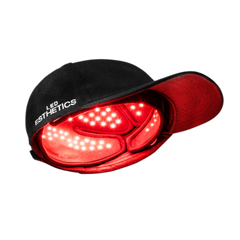
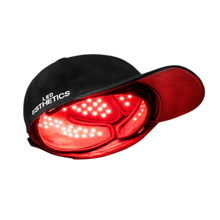
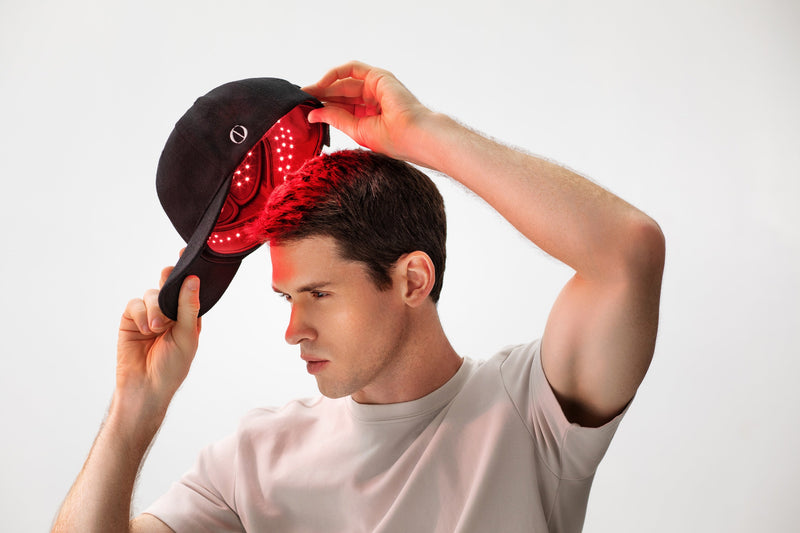
The Hair Pro is a lightweight flat panel, designed to fit inside any baseball cap. So you can wear your favorite hat while getting a discrete and effective hair growth treatment.
.

..
When it comes to hair regrowth, LED therapy has proven to be the superior option for its safety, convenience, and effectiveness. Unlike laser therapy, which often comes with limitations and potential side effects, LED technology offers a gentle yet powerful solution that works for everyone. With devices like the Glotech™ Hair Pro , achieving healthier, thicker hair has never been easier.
.
If you’re ready to take the next step in your hair growth journey, it’s time to embrace the future of light therapy. Say goodbye to the hassle and expense of laser treatments, and say hello to the life-changing benefits of LED therapy. With the Glotech™ Hair Pro , you can experience the confidence that comes with a full, healthy head of hair—all from the comfort of your own home.












LED-SCIENCE [05-01-2026]
BY MADISON CARTER
A few extra hairs in the shower does not automatically mean something is wrong, but when shedding turns into visible thinning, the conversation changes. A widening part, thinning crown, or receding hairline are all signals that the growth cycle is being disrupted, and identifying what is driving that disruption is the most important step before choosing any treatment.
Hair loss can be driven by genetics, hormones, stress, nutrition, or scalp inflammation, and each cause responds to a different approach. That is why a treatment that works well for one person can do very little for another, and why starting with the right diagnosis matters as much as the treatment itself. In this guide, we break down the most common causes of hair loss and which treatments are most likely to support real regrowth.
Hair loss, medically known as alopecia, refers to any disruption to the body's natural hair growth and shedding cycle. While shedding 50 to 100 hairs a day is completely normal, hair loss occurs when new strands fail to replace those lost, or when follicles begin producing progressively thinner and weaker hair with each cycle.
There are several distinct types:
Understanding the cause of hair loss is the difference between treating the problem and guessing at it. Most hair loss falls into a few major categories, and more than one can be happening at the same time. Someone may have genetic thinning made worse by stress, or hormone-related shedding worsened by poor scalp health.
Genetics is one of the strongest drivers of progressive hair thinning. In androgenetic alopecia, follicles become sensitive to androgens, particularly DHT, which gradually shortens the growth phase and causes the hair shaft to become thinner.
This usually appears as:
Because genetic hair loss is progressive, early treatment matters. The goal is not just regrowth, but preservation. Once follicles have been inactive for too long, they become much harder to revive.
Hormonal changes can disrupt the hair cycle in several ways. DHT is the main hormone involved in pattern hair loss, but postpartum changes, menopause, thyroid imbalance, and conditions such as PCOS can also contribute to shedding or thinning.
Depending on the trigger, the pattern can look different. Hormonal hair loss may appear around the temples, crown, part line, or jawline-associated scalp areas, and it often becomes more noticeable during periods of internal change. In these cases, hair growth serums alone may not be enough because the trigger is not only happening at the scalp surface.
Stress-related shedding is commonly linked to telogen effluvium, where a larger number of hairs move into the shedding phase at once. The frustrating part is the delay. Shedding often appears 2-3 months after the stressful event, which is why many people struggle to connect it to the original trigger.
Common triggers include illness, surgery, emotional stress, crash dieting, rapid weight loss, or major life changes. In many cases, this type of shedding improves once the body recovers, but regrowth still takes time because hair grows slowly.
Nutrient status has a direct impact on hair growth because follicles are highly active structures that depend on energy, protein, minerals, and vitamins. Low iron, vitamin D, zinc, protein intake, and certain B vitamins can all contribute to shedding or weaker hair quality.
That does not mean every person with thinning hair needs a hair supplement. Random supplementation without testing can be ineffective, especially if the true cause is hormonal or genetic. The better approach is to determine whether a deficiency exists, identify the specific deficiency, and then address it properly.
Nutritional gaps are more likely to be relevant if shedding started after dieting, illness, fatigue, digestive issues, low protein intake, or a major change in eating habits.
The scalp is the environment the follicle grows from. If that environment is inflamed, itchy, congested, or irritated, healthy growth becomes harder to maintain.
Signs scalp health may be contributing include:
Conditions like dandruff, seborrheic dermatitis, folliculitis, psoriasis, and chronic inflammation can all interfere with the growth cycle. Even when they are not the sole cause, they can make existing hair loss worse by keeping the follicle environment unstable.
The most effective hair loss treatments either stimulate follicle activity, reduce the factors that shrink follicles, or improve the scalp environment. No single option works for every cause, which is why the strongest approach is usually layered rather than relying on one product.
Red light therapy, also known as low-level light therapy, is one of the most promising non-invasive treatments for hair growth. It works by delivering specific wavelengths of light to the scalp, where they help stimulate cellular activity, improve circulation, and support follicles during the active growth phase.
For thinning hair, this is important because underperforming follicles need better energy production and a healthier scalp environment to produce stronger strands. Red light therapy does not create instant growth, but it helps support the conditions required for regrowth to build. In general, the earlier you start, the better your results.
It is especially relevant for:
A red light therapy device for hair growth like the Glotech Hair Pro makes this kind of treatment easier to use consistently at home. That matters because hair regrowth isn’t a quick process, and the treatments that work best are the ones people can actually maintain long-term.
Clinical treatments can be useful when hair loss is advanced, fast-moving, or difficult to diagnose. These include PRP, microneedling, prescription-led treatment plans, and hair transplants in more developed cases.
PRP, or platelet-rich plasma, uses concentrated platelets from your own blood to support follicle activity. It is often used for androgenetic alopecia and can be helpful, but it usually works best as part of a broader plan rather than a standalone cure. Microneedling may also be used to stimulate the scalp and improve response to other treatments, although it should be done carefully to avoid irritation or injury.
For severe or long-standing hair loss, hair transplantation typically delivers the best results. This can restore density in specific areas, but it does not stop ongoing thinning elsewhere, which is why maintenance treatments are still usually needed.
Hair growth serums can help, but they need to be used with realistic expectations. Minoxidil is the most recognized topical option and is commonly used for pattern hair loss. It helps prolong the growth phase and can improve density in people whose follicles are still active.
The limitation is that it does not address every cause. If shedding is driven by untreated iron deficiency, thyroid imbalance, scalp inflammation, or a major stress trigger, minoxidil may support growth but it will not fully solve the underlying issue on its own.
Used correctly, topical treatments are best for:
Stopping too early is one of the most common mistakes. Hair treatments need months, not weeks, because the follicle has to move through its natural growth cycle before visible change appears. Dermatologists recommend combining hair growth serums with red light therapy.
Prescription treatments can be effective when hair loss is hormone-driven, particularly in androgenetic alopecia. Finasteride is commonly used for male pattern hair loss because it reduces DHT activity, while other options such as spironolactone may be considered for women depending on the cause and medical history.
These treatments can be powerful, but they are not suitable for everyone. Side effects, pregnancy considerations, hormone profiles, and long-term suitability all need to be assessed by a medical professional. They are also not instant regrowth solutions. In many cases, their main role is slowing progression, preserving existing follicles, and improving the chances of regrowth when combined with other treatments.
If hair loss is sudden, patchy, painful, or accompanied by scalp symptoms, it should be assessed by a dermatologist before starting prescription or aggressive at-home treatment.
The best treatment for hair loss is the one that matches the cause and can be maintained consistently. For most people, that means combining follicle stimulation with scalp support and, where needed, medical treatment.
Red light therapy is generally considered the strongest starting point because it is non-invasive, easy to use long term, and suitable for supporting active follicles without harsh topical ingredients. It also pairs well with other evidence-based approaches, including minoxidil, scalp care, nutritional correction, and prescription treatment.
A strong hair loss routine includes:
1. Red light therapy to support follicle stimulation
2. Topical minoxidil where suitable
3. Scalp care to reduce inflammation and buildup
4. Nutritional testing if deficiency is suspected
5. Prescription support for hormone-driven thinning
The earlier the routine starts, the better the odds of protecting existing density and stimulating hair growth. Once follicles have miniaturised for years, the goal becomes harder to achieve.
Visible regrowth takes time because hair grows in cycles. Even when a treatment is working, the first sign may be reduced shedding or stronger-feeling hair rather than immediate density. Most people need at least 3-6 months of consistent treatment before judging results properly.
A realistic timeline looks like this:
4-8 weeks - Shedding may begin to stabilise
3 months - Early regrowth or stronger strands may appear
6 months - Visible density and thickness improvements become clearer
9-12 months - Stronger long-term results if the treatment is working
Several factors affect the timeline, including the cause of hair loss, how long it has been happening, whether follicles are still active, and how consistent the treatment routine is. Stress-related shedding may recover once the trigger resolves, while genetic thinning usually requires ongoing maintenance.
Preventing hair loss from getting worse starts with early action. Waiting until thinning becomes severe reduces the number of follicles available to treat, which makes every option less effective.
The most important step is identifying the pattern. Gradual thinning often needs a long-term plan focused on preservation and stimulation. Sudden shedding may need blood work, scalp assessment, or investigation into recent stressors, illness, medication changes, or deficiencies.
To protect your hair, focus on:
Rapid shedding, bald patches, scalp pain, heavy scaling, or sudden changes should be assessed professionally. Guessing at the cause can waste months, and with hair loss, time matters.
The most effective hair loss treatment starts with the cause. Genetics, hormones, stress, nutrition, and scalp inflammation all affect the follicle differently, which is why one-size-fits-all routines rarely deliver the best results.
For many people, red light therapy is a strong foundation because it supports follicle activity without being invasive or difficult to maintain. From there, the best results often come from combining it with scalp care, topical treatments, nutritional correction, or prescription support depending on what is driving the thinning.
If you are ready to take hair growth seriously, start before the loss becomes advanced. Active follicles are far easier to support than inactive ones, and the right routine can make a meaningful difference when used consistently.

LED-SCIENCE [03-31-2026]
BY MADISON CARTER
Hair loss rarely arrives with a clear explanation. For most people it is gradual: a little more scalp showing through, strands that seem finer than they used to be, a part that looks wider in certain lighting. By the time it becomes noticeable, the question is no longer just what is causing it but what can actually reverse it.
Scalp microneedling has become one of the more talked about answers to that question. It is physical, it is accessible, and the logic behind it is easy to understand.
But treatments that sound simple often carry more nuance than they first appear, and microneedling for hair growth is no exception. How well it works depends heavily on what is happening at the follicle level, how consistently it is applied, and what else is supporting the scalp around it.
This guide covers all of that honestly. What microneedling is actually doing beneath the surface, what a realistic timeline looks like, where its limitations begin, and why red light therapy can work as both a complementary approach and a more practical standalone option.
Scalp microneedling uses very fine needles to create controlled micro-injuries across the surface of the scalp. Those injuries are small enough to heal quickly but significant enough to activate the skin's natural repair response around the follicle.
When the scalp detects that tissue has been disrupted, it responds with increased blood flow to the area, activation of growth factors involved in cellular repair, and the switching on of signaling pathways directly linked to follicle activity. The result is a local environment that becomes more receptive to hair growth, particularly in follicles that are still alive but have gradually been producing weaker strands.
The goal is not to damage the scalp. It is to create just enough disruption that the body redirects repair resources to exactly where they are needed. Done correctly, that translates to follicles receiving more of the circulation, oxygen, and growth signaling they need to stay in an active growth phase.
Results from scalp microneedling are gradual by nature. Hair grows in cycles, and any treatment that works through follicle biology follows that same rhythm. Expecting visible change after only a handful of sessions sets most people up for disappointment.
A realistic view of the timeline for results:
It’s worth keeping expectations realistic. Tracking monthly rather than daily makes the process far less discouraging and gives a clearer picture of whether the scalp is genuinely responding.
Scalp microneedling is not the easiest treatment to stay consistent with. Because it relies on controlled injury, timing, hygiene, spacing, and technique all matter. Used well, that is manageable. Used too often or too aggressively, it can leave the scalp irritated rather than supported.
There is more room for error compared to most at-home hair treatments, more temptation to overdo it when early results are slow, and more pressure to stay patient through a process that rarely delivers fast feedback. For some people, that combination makes it genuinely harder to maintain long term.
Another real limitation is that microneedling is not equally useful at every stage of hair loss. Once thinning has progressed significantly, or when the scalp is already inflamed or reactive, it can create more disruption than benefit. At that point, treatments that work with the follicle environment rather than against it tend to be a better fit.
Microneedling can deliver real results but it comes with limitations. Technique, recovery, and consistency all have to be managed correctly, and it is not the right fit for every scalp or every stage of hair loss.
Red light therapy does not carry those same demands. It supports the follicle through a completely different pathway, stimulating cellular energy and reducing scalp inflammation without any recovery window or risk of overdoing it. A red light device for hair growth covers the full scalp evenly in a single hands-free session, which makes the kind of consistency that drives results significantly easier to build into a routine.
Clinically, it holds up as more than just a supporting treatment. Studies on red light hair growth devices have shown hair density improvements of over 40 hairs per square centimeter across 16 weeks, with results continuing to build through 24 weeks of consistent use. For many people that is not a supplementary outcome. It is the result they were looking for from the start.
Hair loss is a long game and the treatments that work best reflect that. Understanding what each treatment is actually capable of puts you in a much better position to make a decision that holds up over months rather than weeks.
Scalp microneedling has legitimate science behind it but it asks a lot in return. Recovery windows, technique, spacing, and patience, are all real considerations worth weighing before committing to it as a primary approach.
Red light therapy asks far less while delivering outcomes backed by clinical research. The mechanism works at a cellular level that compounds over time, the scalp tolerates it at any stage of hair loss, and the consistency that drives results is genuinely easier to maintain.
Whatever direction makes sense, the most important thing is building something sustainable. A routine that gets used regularly will always outperform a better treatment that gets abandoned.

LED-SCIENCE [02-27-2026]
BY MADISON CARTER
If you are researching non-surgical solutions for thinning hair, you have likely come across two treatments repeatedly. Red light therapy and microneedling. Both are backed by clinical studies. Both stimulate biological repair. And both claim to improve hair density and thickness. But they do not work in the same way.
One stimulates the scalp at a cellular level using light energy. The other creates controlled micro-injury to activate regenerative signaling. What most online comparisons overlook is the more important question: which one works better for your type of hair loss?
The answer depends on the underlying cause of thinning, how consistently the treatment is used, and whether the primary goal is improving follicular energy, increasing circulation, or reactivating dormant follicles. In this guide, we break down exactly how red light therapy and microneedling work, and what real users are saying about each approach from their own experiences.
Before comparing treatments, it’s important to understand what they are actually trying to fix.
Most non-scarring hair loss, particularly androgenetic alopecia, follows a predictable pattern. Hair follicles gradually shrink. The growth phase (anagen) becomes shorter. The resting phase (telogen) becomes longer. Over time, thick terminal hairs are replaced with thinner, weaker strands until the follicle produces little to no visible hair.
This shift does not happen randomly. It is influenced by hormonal sensitivity (especially DHT), reduced blood flow to the scalp, inflammation around the follicular unit, and declining cellular energy within the dermal papilla.
Any treatment that claims to support hair growth must address at least one of those biological bottlenecks. Red light therapy and microneedling do, but in different ways.
Red light therapy, also referred to as low-level laser therapy, uses specific wavelengths (typically between 630 and 850 nanometers) to penetrate the scalp and stimulate cells at a mitochondrial level.
The mechanism is metabolic, not mechanical.
When these wavelengths are absorbed by follicle cells, they increase production of ATP (adenosine triphosphate), which is the energy required for cellular repair and protein synthesis. Hair follicles are among the most metabolically active structures in the body during the growth phase. Without sufficient energy, they cannot sustain thick, healthy strands.
Clinical studies support this mechanism. A randomized, double-blind trial published in Lasers in Surgery and Medicine demonstrated significant increases in hair density in participants using low-level light therapy compared to placebo devices. Other trials have reported measurable improvements in hair thickness and hair count over 16 to 24 weeks of consistent use.
Importantly, red light therapy does not injure the scalp. It improves the environment in which hair follicles function. Circulation increases, inflammation decreases, and cellular energy is boosted. These changes support stronger hair growth and help follicles recover more effectively.
Microneedling takes a different route.
Using fine needles, the device creates controlled micro-injuries in the scalp. These tiny punctures activate the wound-healing cascade that increases growth factor release, improves blood flow, and stimulates pathways associated with tissue regeneration.
One pathway frequently discussed in hair research is Wnt/β-catenin signaling, which can play a key role in follicle activation and cycling. Microneedling has been shown in several studies to upregulate this pathway, potentially encouraging dormant follicles to re-enter the growth phase.
However, it’s important to note that microneedling relies on controlled trauma. While effective, it requires spacing between sessions and careful technique. Too frequent use can lead to inflammation that works against follicle stability rather than supporting it.
The simplest way to understand the distinction is this:
Across customer feedback on red light hair growth devices like the Glotech Hair Pro, the overall consensus is very positive. Many users describe red light therapy as easy to maintain and effective when used consistently.
“I noticed less shedding within weeks and fuller hair not long after.” — Clara R. 54
Reviews frequently mention visible thickening around the hairline and crown, along with healthier-looking strands overall.
“After three months I could clearly see new growth coming through.” — Sam F. 37
Another common theme is how comfortable and low-effort the process feels compared to other treatments.
“I’ve made my red light hair growth device part of my daily routine. It’s simple to use and fits seamlessly into my schedule.” — Timothy D. 42
Microneedling feedback is also positive, but tends to be more mixed. Some users report early shedding phases or temporary scalp sensitivity before improvement begins.
“The first few weeks were intense, but once my scalp adjusted, I saw clear progress in hair growth and thickness.” — David F. 45
Across both approaches, one message kept repeating. Results came with consistency. And given that hair growth follows biological cycles, with density improvements building progressively, comfort plays a bigger role than most expect. That's where red light therapy tends to stand out.
Choosing a hair growth treatment is not a one-time decision. It should evolve based on how your scalp responds.
Consider starting with red light therapy if:
You may consider escalating your approach if:
For many individuals, early intervention with a clinically-backed LED device such as the Glotech Pro hair growth device, helps stabilize thinning before more aggressive measures are needed. The earlier follicles receive support, the greater the likelihood they remain viable.
Red light therapy and microneedling both have a place in hair restoration, but they are not equal starting points.
For most people experiencing early to moderate thinning, building a stronger follicle environment is the smarter first move. When follicles receive steady metabolic support, improved circulation, and reduced inflammatory stress, they are far more likely to remain productive.
More aggressive stimulation can be layered in later if necessary. But recovery-driven support tends to produce more predictable, sustainable results. Hair restoration is not about forcing growth. It is about maintaining the conditions that allow growth to continue.
For individuals looking for a full-coverage hair growth device, LED Esthetics Glotech Hair Pro is one of the best devices on the market. It’s comfortable and easy to use. The strongest results rarely come from intensity alone. They come from choosing the right signal at the right time — and applying it consistently.

LED-SCIENCE [10-21-2025]
BY MADISON CARTER
Losing clumps of hair in the shower wasn't part of the motherhood brochure you signed up for. The Glotech™ Hair Pro offers exhausted new moms a safe, breastfeeding-friendly solution to postpartum hair regrowth that actually fits into your chaotic schedule. Since launching in February 2025, hundreds of moms have discovered they don't have to choose between caring for their baby and caring for themselves.
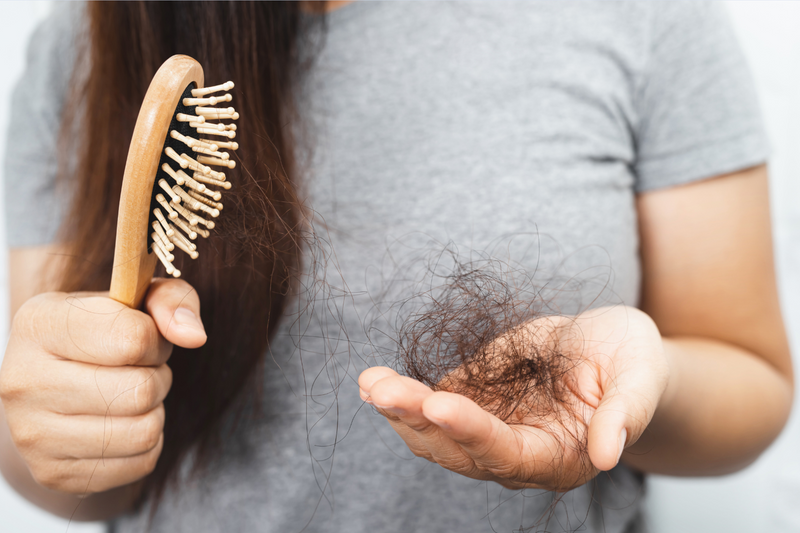
If you've noticed alarming amounts of hair clogging your drain around three to six months postpartum, you're experiencing something incredibly common. Postpartum hair loss affects up to 50% of new mothers, and it can feel absolutely devastating when it's happening to you.
During pregnancy, your body experiences a surge of estrogen that keeps hair in the growth phase longer than normal. Your hair looked thicker and fuller because strands that would normally shed just kept growing and growing beautifully.
After delivery, here's what happens:
The result? Thinner ponytails, a widening part, visible scalp at your temples, and handfuls of hair everywhere you look. For many women, this feels like losing a part of their identity right when they're already adjusting to massive life changes.
Postpartum hair loss isn't just a cosmetic issue—it's an emotional gut punch during an already vulnerable time. New moms confess they feel:
One mom described it perfectly: "I finally have this beautiful baby, but I don't recognize myself in pictures anymore."
The Glotech™ Hair Pro is an FDA-cleared red light therapy device specifically designed to stimulate hair regrowth naturally. For postpartum moms, it offers something desperately needed: a safe, drug-free solution that works while you're breastfeeding.
Here's what makes it perfect for new mothers:
Unlike topical treatments that leave your hair greasy or oral medications with potential side effects, the Glotech™ Hair Pro uses pure light energy to wake up dormant follicles and encourage healthy regrowth from within.
Red light therapy works by delivering specific wavelengths of light that penetrate your scalp and trigger biological responses at the cellular level. For postpartum moms dealing with hormonal hair loss, this technology addresses the root causes holding your hair back.
When therapeutic red and near-infrared light reaches your hair follicles, several powerful healing processes begin immediately:
The dual-wavelength approach of the Glotech™ Hair Pro is particularly effective for postpartum recovery:
Together, these wavelengths create comprehensive scalp stimulation that helps reverse the effects of postpartum hormonal disruption naturally and safely.
Unlike medications such as minoxidil (not recommended while nursing) or finasteride (absolutely prohibited for women of childbearing age), red light therapy is:
You can use the Glotech™ Hair Pro confidently while nursing, pumping, or even if you're planning another pregnancy soon.
One of the biggest challenges for new moms is finding time for self-care between feeding schedules and diaper changes. The Glotech™ Hair Pro was designed with your reality in mind—it's so simple that you'll actually stick with it.
Here's how effortlessly it fits into even the most chaotic day:
That's literally it. No messy foams to apply and wash out, no pills to remember, no appointments to schedule. Just 10 minutes of hands-free therapy while you multitask like the superhero mom you already are.
The best time to begin using the Glotech™ Hair Pro for postpartum hair regrowth is as soon as you notice increased shedding. Most moms start seeing excessive hair loss around three to four months postpartum, and that's the perfect window.
Starting early means:
However, it's never too late. Even if your baby is now a toddler and your hair still hasn't recovered fully, red light therapy can still stimulate follicles back into the growth phase and improve overall hair density noticeably.
Since its February 2025 launch, the Glotech™ Hair Pro has earned rave reviews specifically from postpartum mothers who finally found something that works. With an impressive 4.9 out of 5 star average rating, these aren't just satisfied customers. They're grateful moms!
Real women dealing with real postpartum shedding have seen remarkable transformations:
At 4 months postpartum, I was losing so much hair that I genuinely thought something was medically wrong. My temples had receded dramatically and my part was so wide I could see scalp. I felt hideous in every photo with my daughter.
I started using the Glotech™ Hair Pro every morning while she took her first nap. Within 3 weeks, the shedding slowed down noticeably. By week 8, I had a whole line of baby hairs growing at my hairline. Now at 5 months of use, my hair looks almost normal again. I actually feel like myself in the mirror.
- Sarah
Postpartum hair loss destroyed my self-esteem. I avoided leaving the house and felt so ugly all the time. Starting treatment with the Glotech™ Hair Pro felt like taking control of something when everything else felt chaotic.
The regrowth has been amazing, but honestly, just having a solution and seeing progress each week helped my mental health too. I feel less anxious overall. My hair is growing back, but more importantly, I'm feeling like myself again.
-Kim
While the Glotech™ Hair Pro hasn't conducted studies exclusively on postpartum women yet, red light therapy itself is backed by extensive research:
For postpartum hair loss specifically, the mechanism makes perfect sense: your follicles aren't dead—they're just stuck in a prolonged resting phase due to hormonal shock. Red light therapy gives them the energetic boost needed to transition back into active, healthy growth.
While the Glotech™ Hair Pro is powerful on its own, combining it with smart postpartum hair care strategies can accelerate and enhance your results even further. Here's how to optimize your regrowth journey holistically.
Your hair is a reflection of your overall health, and postpartum recovery demands attention to foundational wellness:
While using the Glotech™ Hair Pro, protect the hair you have from unnecessary damage and breakage:
The single biggest factor in your success with the Glotech™ Hair Pro is showing up daily:
The Glotech™ Hair Pro works beautifully alongside other postpartum-safe approaches:
Just avoid minoxidil while breastfeeding, and always check with your doctor before starting new supplements postpartum.
LED Esthetics understands that new moms need confidence in their purchases, which is why they back the Glotech™ Hair Pro with industry-leading guarantees:
There's truly no risk in trying the Glotech™ Hair Pro. Either your hair gets thicker and you feel more confident, or you get your money back—it's that simple and straightforward.
Most postpartum moms notice reduced shedding within 2-3 weeks of daily use. Visible new growth typically appears around 6-8 weeks, with significant improvement in overall thickness and density by 3-4 months of consistent treatment.
Absolutely. Red light therapy is completely non-invasive with zero chemicals or medications involved whatsoever. Nothing enters your bloodstream or affects breast milk composition in any way. It's purely therapeutic light energy applied externally to your scalp only.
Yes! Unlike medications that must be stopped before conceiving, the Glotech™ Hair Pro is perfectly safe to use while trying to conceive, during pregnancy, and throughout breastfeeding continuously. Many women use it between pregnancies to maintain their hair health proactively.
It's never too late to stimulate regrowth. Even if your postpartum hair loss occurred years ago, dormant follicles can still be reactivated with red light therapy. Many women find success regrowing hair long after their childbearing years have ended entirely.
Once you've achieved your desired regrowth, many users reduce to maintenance mode—using the device 2-3 times weekly instead of daily. This helps sustain results long-term while requiring less time commitment after the initial intensive growth phase is complete.
Motherhood changes everything—but losing your hair doesn't have to be part of the package you accept permanently. The Glotech™ Hair Pro gives postpartum moms a safe, effective, and realistic solution for hair regrowth that actually fits into your overwhelmingly busy life.
Since launching in February 2025, hundreds of new mothers have discovered they don't have to choose between caring for their baby and caring for themselves. With just 10 minutes daily of hands-free red light therapy, you can actively help your hair recover while still being the amazing mom you already are.
Your hair—and your confidence—are worth 10 minutes a day. Start your postpartum hair recovery journey today and join thousands of moms who've already reclaimed the reflection they recognize in the mirror.
LED-SCIENCE [08-04-2025]
by Madison Carter
Losing more strands than usual? You’re not alone. Many people experience hair thinning at some point.
Table of contents
Hair loss can happen for many reasons, and identifying the root cause is essential for the right treatment. Sometimes it’s temporary, while in other cases it may require a targeted solution.
Hair loss can happen for many reasons, and identifying the root cause is essential for the right treatment. Sometimes it’s temporary, while in other cases it may require a targeted solution.
Hormonal shifts from pregnancy, menopause, or thyroid disorders can cause significant hair thinning . These fluctuations affect the growth cycle, leading to shedding.
If you suspect hormones are the reason, talk to your doctor and explore balancing treatments.
Lack of key nutrients such as iron, vitamin D, and protein can weaken hair strands. Poor nutrition can slow hair growth and make it brittle.
Incorporating stress-reducing activities can help your hair recover naturally.
High stress levels can push hair follicles into a “resting” phase, causing excess shedding . Poor sleep, crash diets, or illness can worsen this.
Incorporating stress-reducing activities can help your hair recover naturally.
Autoimmune conditions such as alopecia areata, scalp infections, or chronic illness can cause significant hair loss . Early diagnosis helps prevent further damage.
A board certified dermatologist can recommend personalized treatments based on your condition.
Excessive heat styling and frequent chemical treatments can damage the cuticle, making hair prone to breakage.
Over-washing and harsh products can strip away essential oils, leaving strands weak.
Use gentle shampoos free from sulfates
Limit heat styling to 2–3 times per week
Protect hair from UV exposure with hats or sprays.
Light therapy works at a cellular level to energize and repair damaged follicles. By improving circulation and nutrient delivery, it can extend the growth phase of hair.
It’s painless, safe, and clinically proven for hair health.
Hair loss is common but treatable with the right approach . Identifying the cause is the first step to restoring healthy, strong hair.
With the right care and advanced treatments like the Glotech Hair Pro , you can regain confidence in your hair’s appearance.
LED-SCIENCE [07-21-2025]
by Madison Carter
Hair transplant surgery is a big step toward regaining confidence and fuller hair. But what happens after the procedure is just as important as the surgery itself. One proven post-transplant tool? Red light therapy.
Table of contents
Red light therapy (RLT), also known as low-level light therapy (LLLT) , uses specific wavelengths of red and near-infrared light to stimulate cellular activity . These wavelengths—typically between 630 to 850 nanometers—penetrate the skin and reach the dermis , where they activate mitochondria to produce more adenosine triphosphate (ATP) .
ATP is the fuel source your cells use to regenerate, repair, and perform their essential functions. More ATP means faster healing , improved blood flow, and better collagen production.
Initially developed by NASA for tissue healing and muscle regeneration , red light therapy is now widely used in dermatology and cosmetic medicine for skin rejuvenation and hair regrowth .
Post-transplant recovery is crucial for long-term results. Newly implanted follicles are vulnerable in the first few weeks and require an optimal environment to survive and grow.
Stimulate microcirculation to deliver oxygen and nutrients to new follicles
Reduce inflammation and swelling post-operatively
Minimize pain and discomfort by relaxing surrounding tissues
Speed up tissue repair at the cellular level
These effects help create the perfect conditions for transplanted hair to root securely and flourish over time.
When applied to the scalp, red light reaches the hair follicle bulbs and energizes the mitochondria within dermal papilla cells. This boosts ATP production, which directly supports cellular metabolism and the hair growth cycle.
Additionally, red light therapy enhances vascular endothelial growth factor (VEGF) expression, leading to angiogenesis —the formation of new capillaries—which improves blood supply to the hair follicles .
This means:
Quicker recovery time
Reduced risk of follicular shock loss
Higher graft survival rates
Stronger, thicker regrowth
You can typically begin low-level light therapy about 7–10 days after your transplant, but always consult your surgeon for personalized advice. Starting too early may disturb sensitive grafts.
Week 1–2: Focus on rest and scalp healing
Week 3–6: Begin red light therapy 3–4 times per week
Week 7+: Continue consistently for long-term support and results
The Glotech™ Hair Pro is designed with optimal wavelengths for post-transplant care.
It delivers red and near-infrared light via a comfortable, hands-free cap you can use at home.
Results can vary depending on genetics, health, and how consistently you use red light therapy. That said:
2–4 weeks: Improved healing, less tenderness, and healthier scalp environment
6–8 weeks: Less shedding, early signs of new growth
12+ weeks: Noticeable increase in hair density and texture
Red light doesn’t speed up the entire hair growth cycle, but it makes each phase more efficient and productive , helping more hairs reach and stay in the anagen phase longer.
Here are the visible and physiological effects of regular red light therapy use after a transplant:
Accelerated healing of donor and recipient sites
Reduced follicular inflammation and redness
Higher graft survival rate
Less post-operative shock loss
Improved hair shaft thickness and texture
Visible increase in hair density over time
To maximize your results, combine red light therapy with good hair care practices:
Use gentle, sulfate-free shampoos
Avoid scratching or picking at the scalp
Add biotin, zinc, and vitamin D to your routine
Avoid sun exposure for at least 2–3 weeks
Stay hydrated and well-nourished
Pairing these habits with red light therapy enhances both healing and long-term regrowth.
There are many red light devices on the market, but not all are created equal. Glotech™ Hair Pro was engineered with precision to meet clinical-grade standards while remaining affordable and easy to use .
Why it stands out:
Medical-grade diodes at 650 nm for deep scalp penetration
Wireless and discreet —no bulky wires or sit-down sessions
Sleek, travel-ready form factor
Add the Glotech™ Hair Pro to your daily self-care ritual , or use it in combination with other Glotech products for a more comprehensive routine.
Red light therapy after hair transplant is one of the most effective tools for faster recovery and long-term growth.
It’s safe, science-backed, and easy to integrate into your daily routine.
THE-GLO-GUIDE [05-05-2025]
by LED SCIENCE
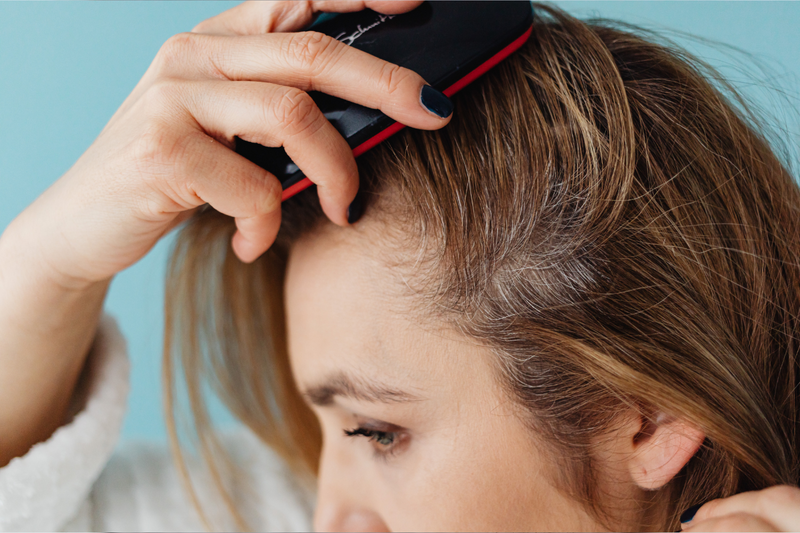
Thinning hair is one of the most common early signs of hair loss , affecting both men and women as early as their twenties. While many people turn to shampoos, serums, or supplements, these treatments often fail to address the problem at its source. Red light therapy offers a more science-driven approach, working beneath the scalp to stimulate cellular activity, increase blood flow, and encourage natural hair growth.
This non-invasive technology has become a popular option for those looking to restore volume, reduce shedding, and improve the overall health of their scalp without medications or invasive procedures. In this guide, we’ll break down how red light therapy works for thinning hair, what results to expect, and how to make the most of your treatments.
Table of contents
Before we explore solutions, it’s important to understand the root of the problem. Hair thinning happens when the natural growth cycle is disrupted—either by genetics, hormone shifts, stress, nutrient deficiencies, or inflammatory conditions like seborrheic dermatitis.
Each strand of hair goes through four phases: growth (anagen), regression (catagen), rest (telogen), and shedding (exogen). Thinning typically occurs when follicles stay too long in the resting phase and struggle to re-enter the growth phase. Over time, this reduces both the volume and density of your hair.
For many people, this leads to a gradual widening of the part, more visible scalp at the crown, and finer strands overall.
Preventing hair thinning starts with early, consistent scalp care—and red light therapy is one of the most effective tools available. This non-invasive treatment supports long-term follicle health by stimulating cellular energy, improving blood flow, and extending the hair growth phase.
Here’s how red light therapy helps stop hair from thinning:
Energizes follicles by boosting ATP production in cells
Improves circulation to deliver essential nutrients and oxygen to the scalp
Reduces inflammation that can slow or disrupt hair growth
Extends the growth phase of your hair cycle for fuller, stronger strands
Reactivates dormant follicles to encourage new growth
Used regularly, red light therapy offers a safe, drug-free way to maintain thicker hair and prevent future thinning.
Many people turn to topical treatments like minoxidil, prescription medications like finasteride, or procedures such as PRP injections or hair transplants. While these may offer results, they often come with side effects, downtime, or a lack of long-term support.
Red light therapy is different because:
It’s non-invasive and painless
It doesn’t alter hormones or require prescriptions
It works well alongside other treatments
It can be used safely at home with FDA-cleared devices
For those seeking a more natural and sustainable approach to hair restoration, red light therapy offers a compelling alternative—especially when used regularly and over the long term.
To get the best results, you need the right device and a consistent treatment plan. Look for LED hair growth caps , bands, or panels that deliver wavelengths between 630nm and 660nm , ideally paired with near-infrared light (810–850nm) for deeper penetration.
Tips for success:
Use your device 3 to 5 times per week for 10–20 minutes per session
Apply on clean, dry hair and avoid heavy styling products beforehand
Track progress monthly with photos of the crown and hairline
Pair treatments with gentle scalp care, hydration, and nutrient support
Many users begin to see reduced shedding and stronger regrowth around the 8–12 week mark, with more noticeable density by 16–24 weeks.
If you’re starting to notice a wider part, a receding hairline, or increased shedding in the shower, red light therapy could be the solution that helps you take action early—before thinning becomes more advanced or permanent. This treatment works best in the early to moderate stages, and consistency is essential to seeing real results.
With clinically supported wavelengths and growing user success stories, red light therapy has become a trusted option for restoring hair health. It’s non-invasive, easy to use at home, and offers a proactive way to support scalp wellness and natural regrowth over time.
Hair thinning isn’t just cosmetic—it can affect confidence, mood, and emotional well-being. Studies show that hair loss is linked to increased stress and even social anxiety. LED Esthetics’ GloTech™ Hair Pro devices combine red and near-infrared light to support both scalp recovery and comfort, offering a more complete and calming self-care experience.
THE-GLO-GUIDE [05-05-2025]
by LED SCIENCE
Hair thinning, shedding, and slow regrowth are frustrating concerns faced by millions of men and women. From genetics and hormones to stress and environmental damage, the causes are complex, but the solutions don’t have to be. Red light therapy (RLT), also known as low-level laser therapy (LLLT), is gaining attention as a powerful, non-invasive tool for promoting fuller, healthier hair. But how does it actually work and can it really reverse hair loss?
In this guide, we break down the science, benefits, and what to expect when using red light therapy for hair regrowth. Whether you're dealing with early thinning or looking to support your scalp long-term, here’s everything you need to know.
Table of contents
Red light therapy uses specific wavelengths of red and near-infrared light (typically 630–850nm) to penetrate the scalp and stimulate the hair follicles at a cellular level. When absorbed by the mitochondria in your cells, these wavelengths increase ATP (adenosine triphosphate) production to fuel for your body’s repair and regeneration processes.
Here’s what that means for your scalp:
Improved circulation delivers more oxygen and nutrients to the hair follicles.
Dormant follicles may be reactivated, promoting new hair growth.
Reduced inflammation around the follicles creates a healthier environment for regrowth.
Strengthened existing hair shafts reduces breakage and fall-out.
This process helps move more follicles into the anagen (growth) phase, making red light therapy especially helpful for addressing early-stage hair thinning and androgenic alopecia.
Numerous clinical studies have confirmed the potential of red light therapy for both men and women experiencing hair loss. FDA-cleared LED devices are now available for treating androgenetic alopecia and are commonly used in dermatology clinics and at-home routines. This makes clinical-grade technology more accessible, delivering results without the side effects often associated with medication.
Some of the most notable benefits include:
Thicker, denser hair: Improve hair strand diameter and scalp coverage.
Reduced shedding: Noticeably less hair loss during brushing or washing.
Faster regrowth: Hair cycles may accelerate, leading to earlier visible results.
Non-invasive treatment: No needles, drugs, or downtime required.
Safe for ongoing use: Suitable for long-term maintenance without harsh side effects.
Red light therapy is most effective when used consistently, often 3–5 times per week for at least 6–12 weeks. It’s especially promising when paired with supportive products like scalp serums or DHT blockers.
Compared to medications like minoxidil or finasteride, red light therapy offers a gentler and more holistic approach. While these medications can be effective, they also come with potential side effects like irritation, hormone disruption, or scalp sensitivity. RLT, on the other hand, works without altering hormonal pathways, making it a great option for those looking for a safer, drug-free method.
Red light therapy can also be used in combination with other treatments to improve outcomes. Dermatologists often recommend this approach for more advanced or stubborn cases of thinning. RLT is an especially appealing option for those seeking non-invasive hair regrowth solutions that prioritize long-term scalp health without sacrificing comfort or convenience.
For optimal results, choose a red light device that delivers the best wavelength for hair growth (630–660nm red light and 810–850nm near-infrared) and offers full scalp coverage.
There are several device types on the market:
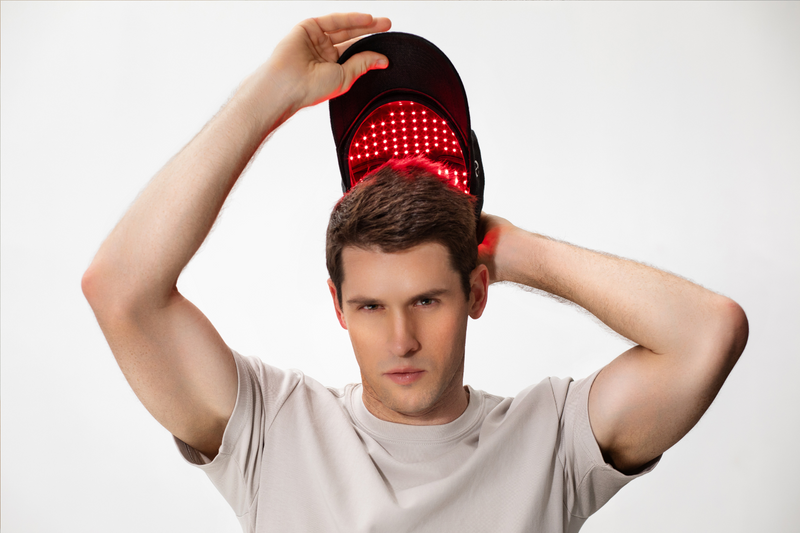
Red light caps : Lightweight and ideal for daily use, red light therapy caps offer a powerful yet comfortable solution for full-scalp coverage.
Wearable helmets : Strong, even coverage across the scalp and are often used in clinical settings. Though bulkier than caps, they remain a reliable option.
Handheld wands : Perfect for spot-treating areas like temples or hairlines, wands give you directional control.
Red light combs : While designed to help part the hair for better light penetration, they aren’t as user-friendly for full-scale treatment.
Panel devices : Often used for both facial and scalp treatments. They offer broad coverage but aren’t as targeted or scalp-specific.
Devices like the GloTech™ Hair Pro with red and near-infrared LED wavelengths offer clinical-grade technology in a home-friendly format. Its soft, flexible cap design makes it especially effective for full-scalp coverage.
Hair growth is a gradual process, and while red light therapy speeds things up, results don’t happen overnight. Visible improvements depend on consistency, device quality, and individual response to treatment. Most people start noticing:
Less hair fall after 4–6 weeks
New growth or baby hairs by week 8–12
Increased thickness and volume after 3–6 months
Consistency is key. Red light therapy works best when used 3–5 times per week for at least 6 months.Tracking progress with monthly before-and-after photos can help monitor visible changes and keep you motivated. With the right device and routine, red light therapy for hair regrowth can deliver effective, long-term results.
While red light therapy isn’t a miracle cure, it’s one of the most promising non-invasive treatments for hair loss currently available. Backed by science and supported by clinical studies, it’s a safe, painless option that stimulates your body’s natural hair regrowth process without harsh side effects.
Whether you're in the early stages of hair thinning or simply want to boost scalp health and hair resilience, red light therapy is worth considering especially when using a high-quality, full-coverage red light therapy device . With consistent use, visible improvement is not only possible, it’s well within reach.
Red light therapy has transformed the world of hair regrowth. Once limited to dermatology offices and medical clinics, LED-based devices are now available for convenient at-home use promising to support thicker, fuller hair with consistent treatments. With so many options on the market, it can be difficult to know which device actually works best.
From laser caps to full-coverage helmets and scalp massagers, each brand claims to deliver the same result: hair restoration. But when it comes to power, coverage, clinical backing, and comfort, some devices clearly outshine the rest.
Let’s compare the top red light therapy devices for hair growth and show how the Glotech™ Hair Pro stands out in a saturated market.
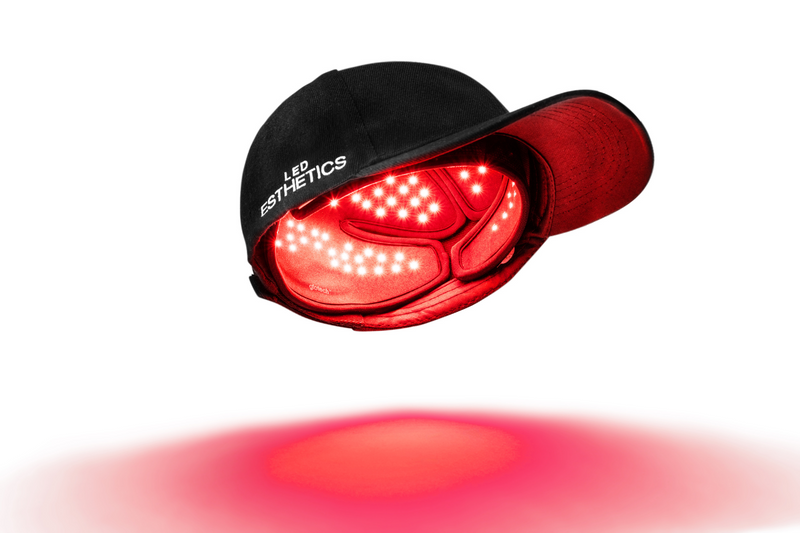
The Glotech™ Hair Pro delivers targeted red and near-infrared wavelengths, known for their ability to stimulate blood circulation, energize hair follicles, and reduce inflammation. These are three key factors in promoting hair growth and restoring scalp health. With medical-grade LEDs in a foldable panel design, it offers full scalp coverage and fits discreetly inside your favorite hat, beanie, or space helmet.
Red-Light Wavelengths: 630nm (Red) & 850nm (Near-Infrared)
Device Type: Flexible Cap (Foldable Panels)
Target Treatment Area: Full Scalp
Treatment Time: 10 minutes
Specs: 180 medical-grade LEDs, FDA-cleared, backed-by 100+ clinical studies
This helmet offers solid performance and has earned accolades for its quick 10-minute treatment time. It uses red and near-infrared light (620–660nm), providing strong scalp coverage. However, the bulkier, hard-shell design limits mobility, and with a significantly higher price than the Glotech™ Hair Pro, it’s a serious investment.
Red-Light Wavelengths: 620–660nm
Device Type: Helmet
Target Treatment Area: Full Scalp
Treatment Time: 10 minutes
This baseball cap-style device is sleek and cordless, ideal for casual use or traveling. It offers 650nm red light and claims to boost circulation and follicle stimulation. However, it lacks near-infrared light and does not deliver the same deep follicular stimulation as dual-wavelength systems.
Red-Light Wavelength: 650nm
Device Type: Cap
Target Treatment Area: Scalp
Treatment Time: 10 minutes
This helmet features 120 LEDs and lasers. It’s a common entry-level recommendation and is compatible with HSA/FSA funds. But the treatment time is long — 25 minutes every other day — and it’s less comfortable due to its hard plastic shell and weight. Also, LED vs. laser therapy research shows that LED-based devices offer better scalp coverage, comfort, and overall performance for at-home use.
Red-Light Wavelength: 655nm
Device Type: Helmet
Target Treatment Area: Full Scalp
Treatment Time: 25 minutes every other day
This brush-like device mixes red light therapy with microcurrent and massage features. While great for targeted scalp stimulation, it requires manual brushing, which can be inconvenient and inconsistent. Research also shows that cap-style red light devices are significantly more effective for full scalp coverage and consistent hair regrowth results.
Red-Light Wavelength: 660nm
Device Type: Handheld Brush
Target Treatment Area: Scalp
Treatment Time: 5 minutes
This headband-style tool delivers red light and laser therapy in just 90 seconds. But it requires manual repositioning, only treats parts of the scalp at a time, and doesn’t offer the same overall coverage as cap or helmet devices. It also relies heavily on user technique, which can lead to uneven results if not used carefully.
Red-Light Wavelength: 655nm
Device Type: Laser Band
Target Treatment Area: Scalp Sections
Treatment Time: 90 seconds
When comparing red light therapy devices for hair growth, several key factors matter:
From red light hats to helmets and headbands, the market is packed with options, but very few balance power, comfort, results, and value as well as the Glotech™ Hair Pro.
Whether you're just starting your hair regrowth journey or looking for a more natural, drug-free treatment option, Led Esthetics’ commitment to medical-grade light , FDA-cleared safety , and comfortable design makes it a top-tier choice that outperforms the rest — a scientifically proven hair growth solution.

Red light therapy is effective for hair growth because it uses specific wavelengths to stimulate blood flow and energize hair follicles. This increases oxygen and nutrient delivery to the scalp, helping reactivate dormant follicles and extend the growth phase. Consistent use also reduces inflammation, creating a healthier environment for hair regrowth.
Dual-light technology combines red and near-infrared wavelengths, offering both surface-level stimulation and deeper follicular penetration. This allows the device to support improved blood flow, reduce inflammation, and energize follicles at multiple skin depths. Devices using only red light may not reach deeper tissues where long-term regeneration begins. Dual-light systems are considered a more advanced approach to red light therapy for hair growth.
Most experts recommend using red light therapy devices 3 to 5 times per week for best results. Sessions should typically last 10 minutes, depending on the device’s power and design. Consistent use over 12 to 16 weeks can lead to noticeable improvements in hair density and scalp health. After the initial phase, many users switch to once or twice-weekly maintenance treatments.
Yes, red light therapy can safely be combined with other hair loss treatments like minoxidil, scalp serums, or supplements. It works at the cellular level to boost circulation and follicle activity, complementing topical approaches that target different aspects of hair loss.That said, always follow usage guidelines and avoid overlapping treatments that may irritate the scalp.
At-home red light therapy devices can be highly effective when they use medical-grade LEDs, the correct wavelengths, and offer full scalp coverage. While in-clinic treatments may use higher-powered equipment, many at-home options — like Glotech™ Hair Pro — deliver comparable results with consistent use. The key is using the device regularly and as directed to support long-term hair regrowth. For many users, at-home therapy provides a more convenient, affordable, and sustainable solution for treating thinning hair.
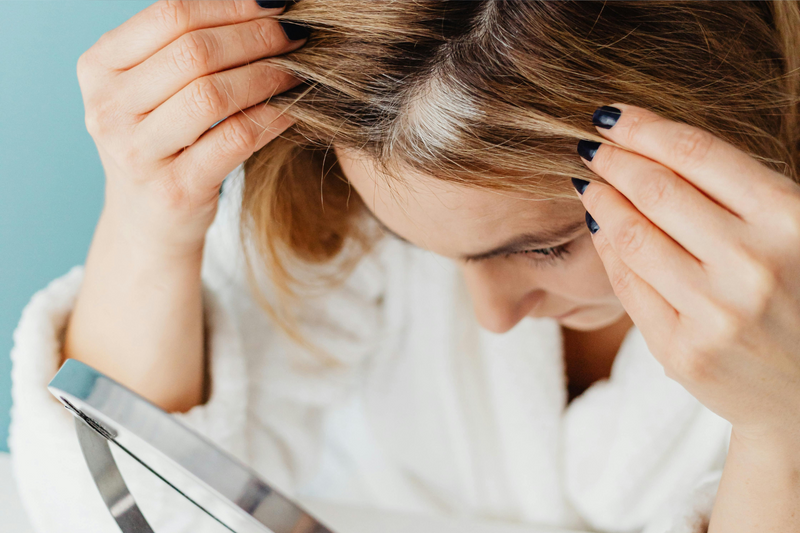
Hair thinning and hair loss affect millions, regardless of age or gender. Whether it’s gradual shedding, a widening part, or a receding hairline, the emotional toll is real. Traditional treatments like topical solutions and prescription medications can help, but they often come with side effects or inconsistent results. Now, a new contender is making waves in the hair restoration world: red light therapy.
Red light therapy, also known as low-level light therapy (LLLT), is non-invasive, painless, and backed by promising research. It’s gaining attention not just in clinics, but also for at-home use through caps and wearable LED devices. But the question remains: does red light therapy actually work for hair loss? Here’s what the science and real-world results reveal.
Hair loss can occur for many reasons, but most commonly, it's due to a combination of genetics, hormones, aging, and environmental stressors. For men, androgenetic alopecia, also known as male pattern baldness, is the most common cause. In women, thinning often begins along the part line or across the crown, typically influenced by hormonal shifts such as menopause or postpartum changes.
Other contributing factors include:
Regardless of the cause, most forms of hair loss share a common challenge: weakened or dormant hair follicles. That’s where red light therapy hair growth devices come in to help reawaken them.
Red light therapy uses wavelengths in the 630–660nm range, sometimes paired with near-infrared light (810–850nm), to penetrate the scalp and stimulate the cells within the hair follicle. These wavelengths are absorbed by mitochondria, the “powerhouses” of the cell, where they help increase ATP (adenosine triphosphate), a form of energy critical for cellular repair and function.
Here’s what happens as a result:
This process can reactivate dormant follicles, help slow hair shedding, and stimulate stronger regrowth, particularly in early to moderate cases of hair thinning.

Clinical studies show encouraging results. In a 24-week randomized trial led by Dr. Mitchell Leavitt, participants who used red light therapy experienced a 35–51% increase in hair density compared to the placebo group. Other studies showed improved hair thickness, scalp coverage, and patient satisfaction, especially in individuals with androgenetic alopecia.
Both men and women responded positively, with minimal side effects. Red light therapy is not a cure for baldness, but research suggests that it can slow the progression of hair loss and improve the quality of existing hair — especially when used consistently over time.
Like most non-invasive treatments, red light therapy works best when started early and maintained regularly.
Patience and consistency are key. Most users begin to see visible improvements after 12 to 16 weeks , with the best results appearing after 4 to 6 months of continued use.
Typical treatment guidelines:
Unlike some treatments that show fast but temporary results, red light therapy builds benefits gradually by promoting long-term follicle health from the inside out.
Yes. Red light therapy is FDA-cleared for hair loss and has an excellent safety profile. Since it doesn’t use UV light, it doesn’t damage skin or scalp tissues. Side effects are rare and usually mild, occasional scalp tingling or temporary redness may occur but typically resolve quickly.
Red light therapy is also compatible with other treatments. You can combine it with topical solutions (like minoxidil), oral medications (like finasteride), or even post-transplant care. However, you should always consult a professional before mixing protocols, especially if you have a sensitive scalp or underlying skin conditions.
Unlike some pharmaceutical options, red light therapy poses no systemic risks and doesn’t interfere with hormone levels or internal processes. This makes it a safer long-term strategy for individuals who want to avoid harsh side effects or invasive procedures. When used as directed, it offers a low-risk way to support thicker, fuller hair and restore your hairline.
While professional laser hair treatments can deliver results, they’re often costly and time-consuming. This has led to a rise in at-home red light therapy devices, offering greater flexibility while aiming to deliver similar benefits.
The standout option is the GloTech Hair Pro™ by LED Esthetics, a multi-functional LED device engineered to support both skin and scalp health. Its flexible design and clinically optimized red and near-infrared wavelengths (630–850nm) make it ideal for promoting hair follicle vitality, reducing scalp inflammation, and encouraging regrowth.
The GloTech Hair Pro™ uses medical-grade LEDs to ensure even light distribution, and its wireless, hands-free format integrates easily into daily routines. When used consistently, it may help prolong the hair growth phase and promote overall scalp wellness making it a compelling choice for those seeking to restore thickness, density, and confidence from the comfort of home. This makes it one of the most advanced and versatile red light therapy devices for hair regrowth on the market today.
Red light therapy won’t regrow hair overnight and it’s not a replacement for more intensive treatments in advanced cases. But for those experiencing early signs of thinning, mild to moderate hair loss, or simply looking to enhance hair health, it offers a safe, accessible, and scientifically supported tool to add to your routine.
Whether used on its own or as part of a broader hair care strategy, red light therapy can help you reclaim fuller, thicker, healthier hair — without pain, downtime, or medication.
As with any wellness treatment, consistency and realistic expectations are key. While results vary, many users report noticeable improvements in hair density and scalp condition in just a few weeks. If you’re considering red light therapy, choosing a quality device and following recommended usage guidelines can make all the difference in achieving the best possible outcome.
Treat Hair Loss with LED Esthetics
Shop the GloTech Pro™ Red Light Therapy Hair Growth Cap
Yes, red light therapy can be safely used alongside minoxidil for enhanced hair growth results. Minoxidil increases blood flow and prolongs the hair growth cycle, while red light therapy energizes hair follicles at the cellular level. Using both may produce faster and fuller regrowth than using either alone. Always follow product instructions and consult a dermatologist to avoid irritation or overuse.
People with photosensitive conditions or those taking medications that increase light sensitivity should avoid red light therapy. It’s also not recommended for individuals with active scalp infections, open wounds, or recent scalp surgery. Pregnant individuals or those undergoing cancer treatments should consult a healthcare provider before use. Always check with your doctor if you have underlying health concerns or are unsure about device safety.
Most experts recommend using red light therapy devices 3 to 5 times per week for best results. Sessions should typically last 10 minutes, depending on the device’s power and design. Consistent use over 12 to 16 weeks can lead to noticeable improvements in hair density and scalp health. After the initial phase, many users switch to once or twice-weekly maintenance treatments.
Yes, some red light therapy devices are FDA-cleared to treat hair loss in both men and women. This clearance ensures the devices meet strict safety and performance standards for home use. LED Esthetics’ GloTech Hair Pro™ is FDA-cleared, designed with clinical-grade technology to deliver safe and effective results. Always look for devices that are FDA-cleared, not just registered, to ensure proven efficacy and reliability.
Yes, red light therapy has been shown to support hair regrowth in women experiencing thinning or pattern hair loss. Clinical studies indicate it can improve hair density, strengthen existing strands, and reduce shedding, especially in the early stages of female hair loss. LED Esthetics’ red light therapy hair growth device is designed to deliver targeted light therapy that supports healthier hair follicles. For women seeking a drug-free, non-invasive hair loss treatment, red light therapy is a safe and effective option to include in a long-term routine.


