LED Light Therapy vs. Chemical Peels: Which One is Better for Your Skin?
When it comes to skincare, there are many options available, including chemical peels and LED light therapy. Both treatments have gained popularity in recent years for their ability to improve the skin's appearance and address various skin concerns. However, which one is better for your skin? In this article, we will compare LED light therapy and chemical peels and help you decide which one is right for you.
What is LED Light Therapy?
.
LED light therapy is a non-invasive treatment that uses specific wavelengths of light to stimulate skin cells' natural healing processes. It is a painless procedure that does not require any downtime. The light energy penetrates the skin's surface and targets the cells' mitochondria, which are responsible for producing energy. This stimulation increases blood flow and oxygenation, which helps to promote healing and reduce inflammation.
.
LED light therapy is commonly used to treat acne, fine lines, and wrinkles, as well as improve skin texture and tone. It is also an effective treatment for reducing the appearance of age spots and hyperpigmentation.
What are Chemical Peels?
.
Chemical peels are a popular skincare treatment that involves applying a chemical solution to the skin to remove dead skin cells and promote new cell growth. The chemical solution is applied to the skin, and it causes the outer layer to peel off, revealing smoother, younger-looking skin underneath.
.
There are different types of chemical peels, including superficial, medium, and deep peels, depending on the strength of the solution used. Chemical peels can help reduce the appearance of fine lines, wrinkles, and age spots. They can also improve skin texture and tone and reduce acne scars.
Comparing LED Light Therapy and Chemical Peels
.
LED light therapy and chemical peels both have their advantages and disadvantages. LED light therapy is a non-invasive treatment that does not require any downtime, while chemical peels can cause some redness and peeling afterward. However, chemical peels tend to provide more dramatic results than LED light therapy, especially for deeper wrinkles and hyperpigmentation.
.
Both treatments can be used to improve the appearance of the skin, but they work in different ways. LED light therapy stimulates the skin's natural healing processes, while chemical peels remove dead skin cells and promote new cell growth. Depending on your skin concerns, one treatment may be more suitable than the other.
Which Treatment is Right for You?
.
The best way to determine which treatment is right for you is to consult with a skincare professional. They can evaluate your skin's condition and recommend the best treatment for your specific concerns. LED light therapy is a great option for those who want a non-invasive, painless treatment with no downtime. Chemical peels are ideal for those who want to see more dramatic results and are willing to undergo some redness and peeling.
In Conclusion
.
When it comes to skincare, LED light therapy and chemical peels are both effective treatments that can improve the appearance of the skin. They work in different ways and have their advantages and disadvantages. To determine which treatment is right for you, it is best to consult with a skincare professional who can evaluate your skin's condition and recommend the best treatment for your specific concerns.
If you have ever walked out of a microneedling appointment and wondered how to make the most of what just happened to your skin, red light therapy is the answer most clinicians are not loudly talking about yet. Red light does not just support your recovery, it fundamentally changes the quality of your results.
The combination works because microneedling and red light therapy speak the same biological language. Microneedling creates a controlled healing signal in the skin. Red light therapy amplifies the cellular response to that signal, giving your skin more energy to repair, rebuild, and remodel collagen.
What most people miss, though, is that timing completely changes the role red light therapy plays. Using it before microneedling serves a different purpose than using it after, and both phases matter. Understanding that distinction is the difference between a good microneedling result and a great one. This guide covers exactly that, including what the science says, where clinicians disagree on timing, and a practical protocol you can follow.
What Is Red Light Therapy and How Does It Work?
Red light therapy uses low-wavelength red and near-infrared light (typically between 630 and 850 nanometres) to penetrate the skin and stimulate repair at a cellular level. Unlike UV light, which breaks skin down over time, red light actively builds it back up.
The mechanism comes down to mitochondria. When red light photons are absorbed by skin cells, they stimulate the mitochondria to produce more ATP, which is the energy that powers every cellular function including repair, collagen synthesis, and inflammation regulation. More energy means faster healing, more efficient collagen production, and a skin barrier that recovers more effectively from any form of controlled stress, including microneedling.
A comprehensive study from Photomedicine and Laser Surgery confirmed that red light therapy is a safe, non-thermal treatment that stimulates collagen production through photorejuvenation, with histological evidence showing increases in type 1 collagen and a measurable reduction in enzymes associated with skin aging. This is not a new or fringe finding. It is increasingly the baseline understanding that informs how leading clinics structure their treatment protocols.
What Is Microneedling and Why Does the Healing Process Matter?
Microneedling uses a device fitted with fine sterile needles to create thousands of controlled micro-injuries across the skin surface. These tiny punctures trigger the body's wound healing cascade, stimulating the production of new collagen and elastin without causing meaningful damage to the surrounding tissue.
The healing process unfolds in three phases, and understanding them is essential to understanding where red light therapy fits in.
Phase 1 — In the first 48 hours, the skin enters an inflammatory phase. Blood vessels dilate, immune cells mobilise, and the skin begins preparing its repair resources. This phase is necessary and should not be aggressively suppressed.
Phase 2 — From around day two to day five, the skin moves into the proliferative phase, where fibroblasts begin laying down new collagen in the treatment area.
Phase 3 — From there, a longer remodelling phase begins, sometimes lasting weeks to months, during which collagen matures and reorganises to gradually improve texture, firmness, and tone.
Knowing this timeline is not just interesting biology. It is the entire basis for understanding when red light therapy helps, when it needs to stay out of the way, and why the two treatments create compounding results when sequenced correctly.
Red Light Therapy Before Microneedling
Pre-treatment red light therapy is less discussed than post-treatment but increasingly adopted in professional settings for good reason. Its role here is not to begin collagen remodelling. It is to prepare the skin so that it enters the healing process from the strongest possible baseline.
By boosting ATP production and improving circulation before the needles make contact, red light therapy essentially charges the skin's cellular battery before putting it to work. Cells that are already energised respond more efficiently to the controlled trauma microneedling creates, which can translate to a more robust and balanced healing response from the outset.
For those with sensitive or reactive skin, pre-treatment red light therapy may also help reduce baseline inflammation before the procedure, which can meaningfully reduce post-treatment redness and discomfort. It is a relatively simple step that takes ten to fifteen minutes and asks very little of the skin, but primes it in a way that sets the entire session up for better results.
Red Light Therapy After Microneedling
If pre-treatment is the primer, post-treatment is where the combination truly earns its reputation. This is the phase that changes what microneedling can deliver, and it is the reason leading clinicians have made LED therapy a standard part of their post-procedure protocols.
After microneedling, the skin is in an active and vulnerable state. Micro-channels are open, inflammation is at its peak, and the healing cascade is fully underway. Red light therapy introduced in the right window supports every stage of your skin’s recovery and long-term resilience.
Findings from a controlled trial on the efficacy of red light show that subjects treated with red and near-infrared light experienced significantly improved skin complexion, reduced skin roughness, and measurable increases in intradermal collagen density. When the same cellular stimulation is applied to skin already primed by microneedling, the effects compound.
Another double-blind, split-face clinical study on LED phototherapy found reductions in wrinkles of up to 36% and increases in skin elasticity of up to 19% compared to baseline, with histological evidence of a marked increase in collagen and elastic fibres across all treatment groups. These are standalone red light results. Layer them onto an active microneedling healing response and the implications for skin remodelling become significant.
The Timing Debate: When Should You Actually Apply It?
This is where clinicians are still divided, and it is worth understanding both sides clearly rather than oversimplifying it.
On one side of the spectrum, dermatologists say that applying red light immediately after microneedling risks over-activating already inflamed tissue, potentially driving the healing response toward denser, less refined collagen deposition. The argument is that the early inflammatory phase needs space to work before external stimulation is introduced.
The opposing view, held by the majority of aesthetic practitioners, is that red and near-infrared wavelengths modulate inflammation rather than amplify it, soothing tissue without interfering with the necessary early healing phases. Many professional clinics apply LED therapy immediately post-treatment as standard practice precisely because of its ability to calm the skin and reduce visible downtime.
Both Sides Agree Timing Is a Deciding Variable: A Practical Guide
In a clinical setting, red light can be applied immediately after using calibrated medical-grade equipment to calm inflammation and begin supporting cellular repair from the moment the procedure ends.
For at-home LED devices, waiting 24 to 48 hours is the safer and more effective window. The initial inflammatory work has settled, the skin is moving into the proliferative phase, and red light can now support collagen synthesis without any risk of interfering with the early response.
From Day 3 through to Day 14 onwards, continued daily or every-other-day sessions extend the remodelling benefits of microneedling well past the procedure itself.
Research shows that the benefits of red light therapy on collagen remodelling continue to build up to 12 weeks post-treatment meaning the weeks following your session are just as important as the days immediately after it.
Benefits of Combining Red Light and Microneedling
When timed and applied correctly, the combination delivers across multiple areas that microneedling alone cannot fully address.
Faster, more comfortable recovery — Red and near-infrared wavelengths reduce post-procedure redness, swelling, and sensitivity, helping the skin look and feel better days sooner than it would without intervention.
Stronger, more sustained collagen production — Both treatments independently stimulate collagen synthesis through different mechanisms. Together they create a response that is greater than the sum of its parts.
Results that last longer — Where microneedling delivers a concentrated burst of healing activity, red light therapy sustains and builds on that activity over weeks, extending the visible improvement window well beyond what the procedure alone delivers.
Reduced risk of post-inflammatory hyperpigmentation — For deeper skin tones this is a particularly important benefit. Red light therapy keeps inflammation regulated and supports more balanced melanin production, making it a valuable addition for anyone with a higher Fitzpatrick skin type where post-procedure pigmentation is a real concern.
An At-Home Protocol, Recommended by Dermatologists
For those using a professional-grade at-home LED device like Glotech Pro LED face mask, here is how to structure the combination across a full microneedling cycle.
Days before your session — Use your red light device on clean, dry skin for 10 to 15 minutes to prime the skin ahead of your procedure.
Day of your microneedling session — Skip the LED device entirely and follow your clinician's preparation instructions.
First 24 hours after microneedling — Let the skin rest. Apply only recommended aftercare and avoid heat, active ingredients, and any additional stimulation.
24 to 48 hours post-treatment — Resume red light therapy sessions on clean skin without serums or moisturisers applied beforehand.
Days 3 to 14 — Continue daily or every-other-day sessions for 10 minutes. This is the window where red light therapy has its greatest impact on remodelling.
Between microneedling sessions — Maintain a regular red light routine between sessions, which are typically spaced 4-6 weeks apart. This sustains and builds on your results continuously rather than starting from scratch each time.
For wavelength guidance, look for devices that offer red light in the 630 to 660 nm range and near-infrared in the 810 to 850 nm range. Both wavelengths penetrate to different depths and work synergistically for the most complete result.
Conclusion
Microneedling is one of the most effective collagen-stimulating treatments available. Red light therapy is one of the most evidence-backed tools for cellular repair and skin regeneration. Together, timed correctly, they do not just complement each other. They create a compounding effect that extends, deepens, and sustains results in a way that neither achieves working alone.
The protocol is not complicated. Prime before. Support and regulate after. Sustain through the remodelling phase. Do that consistently across a treatment course and the difference in your results will be clear. Why wait? Take a look at LED Esthetics’ LED mask and red light devices.
How to Repair a Damaged Skin Barrier (Step-by-Step)
LED-SCIENCE [10-21-2025]
BY MADISON CARTER
How to Repair a Damaged Skin Barrier (Step-by-Step)
Your skin barrier is your body's first line of defence. When it breaks down, everything follows. Redness, tightness, sensitivity that seems to come from nowhere, breakouts you cannot explain. The good news is that with the right approach, the skin barrier is remarkably capable of healing itself. But it needs the correct conditions to do so.
This guide covers exactly what a damaged skin barrier is, what causes it, how to identify it and the precise steps to restore it, backed by dermatological science.
What Is the Skin Barrier and Why Does It Matter?
The skin barrier, clinically referred to as the stratum corneum, is the outermost layer of your epidermis. It functions as your body's primary defence against environmental aggressors: pollution, UV radiation, bacteria and transepidermal water loss (TEWL). Structurally, it operates like a brick wall. Skin cells called corneocytes form the bricks, while a lipid matrix of ceramides, cholesterol and fatty acids acts as the mortar binding them together.
When this structure is intact, skin stays hydrated, calm and resilient. When it is compromised, that protective seal breaks down. Water escapes, irritants penetrate more easily and the skin's microbiome is disrupted, triggering inflammation, sensitivity and in chronic cases, conditions such as eczema, rosacea and perioral dermatitis.
The skin barrier is not simply a physical structure. It is a dynamic, biochemical system. Repairing it requires more than moisturiser. It requires understanding what broke it in the first place.
What Causes a Damaged Skin Barrier?
Skin barrier damage rarely happens overnight. In most cases it is the cumulative result of repeated insults, many of which come from well-intentioned skincare habits.
Over-exfoliation is one of the most common culprits. Using AHAs, BHAs or physical scrubs too frequently strips the lipid layer before it has time to regenerate. Harsh cleansers, particularly those containing sulphates, disrupt the skin's natural pH which sits between 4.5 and 5.5. Cleansers with an alkaline pH repeatedly applied to skin impair enzyme activity that is essential for barrier maintenance.
Beyond skincare, several external and internal factors contribute to barrier breakdown:
Cold weather, low humidity, wind and UV exposure all accelerate transepidermal water loss
Frequent face washing, particularly with hot water, depletes the skin's natural lipids
Starting retinoids at too high a concentration or too frequently without adequate moisturization
Elevated cortisol from stress and poor sleep suppresses the skin's ability to repair and regenerate
Low intake of essential fatty acids and zinc impairs ceramide synthesis from within
Identifying your trigger is the first step. Without removing the cause, repair is a constant uphill battle.
How to Tell If Your Skin Barrier Is Damaged
A damaged skin barrier presents itself differently depending on skin type, but several signs are consistent across most cases. Knowing what to look for allows you to act early, before damage becomes chronic.
Tightness and dehydration — skin feels uncomfortable even after moisturising and may appear dull or crepey
Stinging on application — products that previously caused no reaction now sting or burn
Persistent redness or flushing — particularly across the cheeks, nose and chin
Rough, flaky texture — the lipid matrix can no longer retain sufficient moisture
Breakouts in unusual areas — a disrupted microbiome creates conditions where bacteria proliferate
Itching without a rash — a classic sign of elevated TEWL and nerve exposure
If your skin reacts to water, fragrance-free products, or feels perpetually sensitised regardless of what you apply, a damaged skin barrier is the most likely explanation.
How to Repair Your Skin Barrier Step by Step
Step 1: Strip your routine back to basics
Remove everything that may be contributing to the damage. For at least two to four weeks, use only a gentle low-pH cleanser, a barrier-supporting moisturiser and SPF in the morning. Eliminate actives entirely. That means retinoids, AHAs, BHAs and vitamin C, until your barrier has stabilised.
Step 2: Switch to a pH-balanced, non-stripping cleanser
Use a cleanser with a pH of 4.5 to 5.5, free from sulphates, alcohol and fragrance. Gel or cream formulas that leave skin feeling comfortable after rinsing are ideal. Limit cleansing to twice daily and use lukewarm water only.
Step 3: Use red light therapy to rebuild your skin barrier
Red light therapy is one of the most clinically supported tools for skin barrier recovery and should be introduced early in your repair protocol, not saved as a last resort. Operating at wavelengths between 630nm and 850nm, it stimulates mitochondrial energy production within skin cells, driving faster keratinocyte regeneration, reduced inflammation and improved structural protein synthesis. Aim for 3-5 sessions per week alongside your topical routine.
Step 4: Apply a ceramide-rich moisturiser to lock-in hydration
Timing matters. Applying moisturiser to slightly damp skin within 60 seconds of cleansing or your red light therapy session traps residual moisture and maximises absorption. Look for formulas containing ceramides (NP, AP, EOP), cholesterol, fatty acids such as linoleic acid, and humectants like glycerin and hyaluronic acid.
How Long Does It Take to Repair a Damaged Skin Barrier?
Recovery time depends on the severity of damage and how consistently the right conditions are maintained. For mild disruption such as surface sensitivity following over-exfoliation, most people see meaningful improvement within two to four weeks. For moderate to severe damage, or where barrier dysfunction has triggered a secondary condition like perioral dermatitis or an eczema flare, recovery may take six to twelve weeks with a consistent, simplified routine.
Red light therapy used consistently during this period, typically 3-5 sessions per week, will help shorten recovery time by supporting the skin's natural regenerative processes at a cellular level. It is particularly worth considering for those whose barrier damage is accompanied by persistent redness or inflammation that is slow to resolve with topical care alone.
The skin naturally renews its epidermal layers approximately every 28 days. Supporting that renewal cycle rather than interrupting it is the core principle of effective barrier repair. Be consistent, be patient and resist the urge to reintroduce products before your skin signals it is ready.
If symptoms persist beyond 12 weeks despite a simplified routine, or if you notice significant pain, open skin or signs of infection, consult a dermatologist. Some cases of chronic barrier dysfunction benefit from prescription interventions such as topical calcineurin inhibitors or prescription ceramide therapies.
Conclusion
Skin barrier recovery does not happen through guesswork or piling on more products. It happens through consistency, the right ingredients and treatments that work at a cellular level. When you strip back your routine, support your skin with barrier-replenishing ingredients and address inflammation at its source, you create the conditions your skin actually needs to heal.
This is where a device like the Glotech Pro LED face mask becomes worth its place in your routine, bringing clinical-level red light therapy into your home. Delivering proven wavelengths of red and near-infrared light deep into the skin, it accelerates cellular repair that topical products alone cannot reach. Used consistently alongside a simple skincare routine, it is one of the most complete approaches to skin barrier recovery available.
Sun damage doesn’t show up overnight. It develops gradually as ultraviolet (UV) radiation penetrates the skin, disrupting pigment regulation, breaking down collagen, and triggering ongoing low-grade inflammation. This damage becomes visible as dark spots, uneven tone, fine lines, and rough texture.
What makes sun-damaged skin difficult to treat is that these changes occur at multiple depths. Some effects sit on the surface, while others begin deeper in the dermis. This is why effective treatment rarely relies on a single solution. The most successful approaches combine surface-level correction with therapies that support deeper repair and long-term skin health.
In this article, we’ll explain what sun damage does to the skin, why certain treatments work better than others, and how light-based therapies like LED therapy can be one of the best ways to support recovery and collagen renewal.
What Is Sun-Damaged Skin?
Sun-damaged skin refers to cumulative structural and cellular changes caused by repeated UV exposure. Unlike acute sunburn, these changes develop slowly and persist long after exposure ends.
UV radiation damages DNA, alters melanocyte behavior, and degrades collagen fibers. As a result, the skin becomes less resilient, slower to repair, and more prone to pigmentation irregularities and premature aging. Without targeted intervention, these changes continue to progress.
Common Signs of Sun-Damaged Skin
Sun damage can look different depending on skin type and exposure history, but common signs include:
Dark spots and uneven pigmentation
Fine lines and wrinkles
Rough or uneven texture
Loss of elasticity and firmness
Persistent redness or sensitivity
Dull or uneven skin tone
Identifying which of these concerns are present helps determine which treatments are most appropriate and whether the focus should be on surface correction, collagen support, or inflammation control.
How to Treat Sun-Damaged Skin on Your Face
Sun damage affects both the skin barrier and the deeper support structures beneath it. That’s why treatments that only exfoliate or “fade spots” can improve how skin looks short term, but still leave behind texture changes, fine lines, and ongoing sensitivity.
A strong treatment plan for sun-damaged skin focuses on three core goals:
Resetting uneven turnover: helping the surface shed damaged cells so tone and texture can smooth out
Rebuilding support proteins: encouraging collagen and elastin activity to improve firmness and fine lines
Calming UV-driven inflammation: reducing the ongoing irritation that slows healing and makes skin more reactive
This is the reason multi-step strategies tend to work best: they address the visible signs of sun damage while also supporting the biological repair happening underneath.
Treatment for Sun-Damaged Skin on Your Face
Topical Antioxidants and Retinoids
Vitamin C, vitamin E, and retinoids help improve pigmentation, stimulate collagen, and protect against further oxidative damage. These products are effective for mild to moderate sun damage but must be introduced gradually to avoid irritation.
Chemical Peels
Superficial and medium-depth peels accelerate cell turnover and improve pigmentation and texture. While effective, they require downtime and careful aftercare, especially for sensitive or reactive skin.
Laser and IPL Treatments
Laser and light-based resurfacing treatments target pigment and collagen at deeper levels. These procedures can produce noticeable results but often involve higher costs, downtime, and a recovery period.
LED Light Therapy
LED light therapy addresses sun damage differently. Instead of removing layers of skin or triggering inflammation, it supports cellular repair, collagen production, and inflammation regulation beneath the surface.
Red and near-infrared wavelengths stimulate mitochondrial activity, increasing cellular energy (ATP) and supporting processes linked to collagen synthesis, skin elasticity, and tone. This makes LED therapy particularly useful for improving overall skin quality and supporting long-term repair.
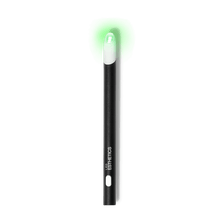
At-home devices like the LED Esthetics GloTech Pro LED face mask and GloTech Minis LED spot treatment allow consistent, in-depth treatment on the face without disrupting the skin barrier.
Why LED Light Therapy Works Best for Sun Damage
Sun-damaged skin often struggles to repair itself efficiently. LED therapy supports this process by improving cellular energy and circulation while calming chronic inflammation.
Reducing redness linked to UV-induced inflammation
Strengthening the skin’s ability to recover and maintain results
Because LED therapy does not rely on exfoliation or heat, it can be used alongside other treatments or as a long-term maintenance strategy.
Is LED Light Therapy Safe for Treating Sun-Damaged Skin?
LED light therapy is widely considered a safe, non-invasive option for sun-damaged skin because it supports repair processes without stripping the skin barrier or creating heat-based trauma.
Sun exposure often leaves the skin more reactive and inflammation-prone, so the safest treatments are the ones that help the skin recover while keeping irritation low. That’s where LED fits well, especially red and near-infrared wavelengths, which are commonly used to support collagen activity, calm redness, and improve overall skin resilience.
For best results, start with clean, dry skin so light can reach the surface evenly without being blocked by oils, sunscreen, or heavy skincare layers. Stick to the session length and frequency recommended by your specific device. It’s also smart to avoid layering strong actives (like retinoids or exfoliating acids) immediately before a session, since sun-damaged skin can sting more easily and those ingredients may amplify sensitivity in the moment.
Daily sunscreen is non-negotiable while treating sun damage. Light therapy can support repair, but it can’t “outwork” ongoing UV exposure, so protecting the skin each morning is what keeps your progress from getting undone. The goal is a steady routine that supports healing and rebuilding, not a rapid-turnover approach that forces the skin to shed aggressively.
Final Thoughts
Sun-damaged skin requires more than surface correction. While exfoliating treatments and lasers can improve appearance, long-term improvement depends on supporting collagen renewal and reducing chronic inflammation beneath the skin.
LED light therapy offers a non-invasive way to address these deeper changes while maintaining barrier health. When used as part of a consistent routine, especially with a device like the GloTech Pro LED face mask, it becomes a valuable tool for improving tone, texture, and overall skin resilience.
The most effective treatment plans focus on repair and protection. When those two elements work together, sun-damaged skin has a much better chance of looking healthier, smoother, and more even.
Questions come in every week about pairing the two popular treatments, and the hesitation is understandable. When skin is freshly treated, people want results, but they also want to avoid irritation, prolonged redness, or doing “too much” too soon.
The good news is that red light therapy is one of the best ways to support recovery while the skin is in its natural rebuilding phase. This powerful pairing can help skin settle faster and bounce back more evenly, especially when you’re working with right tools like with our GloTech Mask Pro.
In this article, we’ll break down what happens beneath the skin during a microneedling session and why red light therapy is so popular post-treatment. You’ll also get clear guidance on timing, what to avoid after treatment, and how to use an at-home LED device safely without disrupting the skin barrier.
What Is Microneedling?
Microneedling is a controlled skin treatment that uses fine needles to create uniform micro-channels in the skin, stimulating collagen production and accelerating natural repair.
These micro-channels activate a wound-healing cascade beneath the skin. Fibroblasts increase activity, collagen and elastin synthesis ramps up, and circulation improves in the treated area. This internal response is what leads to visible improvements in texture, tone, firmness, and the appearance of scars and fine lines.
Because the skin barrier is temporarily compromised, post-treatment care becomes just as important as the procedure itself.
What Is Red Light Therapy?
Red light therapy is a non-invasive treatment that uses specific wavelengths of red and near-infrared light to stimulate cellular activity and recovery without damaging the skin barrier.
When absorbed, these wavelengths interact with the mitochondria to increase cellular energy (ATP) production. This energy fuels processes tied to common skin concerns, including fine lines and wrinkles, inflammation and redness, acne recovery, uneven tone, and overall skin texture.
Unlike topical skincare products or exfoliating treatments, red light works below the surface without creating friction or chemical stress.
Red Light Therapy After Microneedling
Red light therapy can be used after microneedling, and it’s one of the few post-treatment interventions that actively supports healing rather than competing with it. The reason comes down to how microneedled skin behaves in the hours and days following treatment.
After microneedling, the skin is already in a heightened repair state. Inflammation is part of that process, but excessive or prolonged inflammation can slow recovery and increase the risk of redness, sensitivity, or uneven healing. Red and near-infrared light support the same cellular repair pathways microneedling activates, without introducing friction, chemicals, or additional barrier disruption.
Because LED therapy works at a cellular level rather than stripping or stressing the surface, it supports the skin’s repair phase without pushing it too hard. That’s why red light is commonly paired with microneedling in dermatology clinics, and why the same approach translates well to at-home devices like our GloTech Pro LED face mask.
How Long Should You Wait to Use Red Light Therapy After Microneedling?
The timing depends on your skin's response and the depth of the microneedles. In many professional settings, red light therapy is applied immediately after microneedling to calm inflammation and support initial healing. For at-home use, we recommend most people begin within 24 hours, keeping sessions at the 10 minute mark.
Immediately after (professional settings): Often used to calm redness and reduce initial inflammation
Within 24 hours (at-home): Safe for most people if skin feels comfortable
If your skin feels unusually hot, reactive, or uncomfortable after microneedling, wait until the following day or longer. At a depth of 1mm+, we suggest waiting 24-48 hours before adding red light therapy. Always prioritize what your skin is telling you.
Benefits of Red Light Therapy After Microneedling
Reduced Inflammation & Redness
Red light therapy helps regulate the inflammatory response that naturally occurs after microneedling. By calming overactive inflammation, redness resolves more evenly and irritation subsides faster.
This is particularly beneficial for those with sensitive skin or anyone prone to prolonged post-treatment redness.
Accelerated Skin Healing
Mitochondria within skin cells receive an energy boost from red light therapy, essentially giving them more fuel to complete repair processes. This cellular energy increase helps skin recover from the micro-injuries created by microneedling more efficiently.
Many users report less visible downtime, with skin returning to its normal appearance days sooner than with microneedling alone.
Improved Collagen Production
Both microneedling and red light therapy stimulate collagen production, but through different mechanisms. When combined, they create a synergistic effect that can enhance overall collagen remodeling.
Unlike harsh skincare products that can compromise healing skin, red light therapy encourages barrier repair without stripping or thinning the skin. It supports the skin's natural protective functions while healing occurs beneath the surface.
This makes it a safer addition to post-microneedling protocols compared to exfoliating acids or aggressive retinoids that could disrupt recovery.
Tips for Safely Using Red Light Therapy After Microneedling
After microneedling, many skincare products can be too aggressive. Skip retinoids, exfoliating acids (AHAs/BHAs), and benzoyl peroxide during this window as they can sting on freshly treated skin and prolong redness.
Let red light support the repair process already underway without extra sensitivity. Use it on clean, dry skin and keep sessions within the device’s recommended time so the skin stays calm, not overheated or reactive.
Once the skin has stabilized, stronger skincare products can be reintroduced gradually. Bring them back one at a time (every few days) so you can clearly see what your skin tolerates without triggering irritation.
Final Thoughts
Combining red light therapy with microneedling is one of the most effective ways to protect results while the skin is healing. One treatment activates repair, while the other helps regulate that response. That way, inflammation is kept in check, collagen activity is supported, and recovery can progress more evenly.
The key is keeping the focus on recovery, not intensity. When timing is right and the routine stays gentle, skin tends to rebound more smoothly, with less lingering redness.
For anyone doing treatments at home, our LED devices like the GloTech Pro light therapy face mask help bring that clinic-style recovery support into your routine, without adding extra steps or relying on harsh actives during the most sensitive window.
Living with autoimmune skin conditions can be challenging, affecting not just appearance but daily comfort and confidence. Flare-ups can appear suddenly, causing redness, dryness, or irritation that disrupts routines and even social interactions. Many people find themselves constantly adjusting skincare or lifestyle choices to accommodate unpredictable skin reactions.
For those navigating autoimmune skin concerns, understanding triggers and maintaining a protective routine is crucial. Environmental factors, diet, stress, and even minor skin irritations can intensify symptoms, while a weakened barrier makes the skin more reactive. Recognizing these patterns is the first step toward finding solutions that support resilience and reduce the frequency and severity of flare-ups.
Understanding Autoimmune Skin Conditions and Inflammation
Autoimmune skin conditions arise when the body’s immune system mistakenly attacks its own healthy skin cells. This overreaction leads to inflammation, redness, and tissue damage, which in turn weaken the skin’s natural barrier. The result is a cycle where irritated, inflamed skin struggles to repair itself, leaving it sensitive and prone to further flare-ups. Common examples include psoriasis, lupus, rosacea, and eczema, each presenting unique symptoms but driven by similar underlying immune dysfunction.
Traditional approaches often focus on surface-level relief through steroid creams, antihistamines, or immunosuppressants, which can soothe visible irritation but do not address the underlying cellular imbalance. Targeted therapies, including advanced light-based devices, aim to go deeper by supporting cellular repair, regulating immune responses, and reducing inflammation at its source. These methods help restore barrier strength and skin resilience, offering a more sustainable path to healthier, calmer skin over time.
How Red Light Therapy Works Beneath the Skin
Red light therapy uses wavelengths ranging between 630–850 nanometers, a powerful spectrum that penetrates deep into the skin’s tissue. Once absorbed, these wavelengths stimulate the mitochondria, the tiny “powerhouses” inside your cells, to produce more ATP (adenosine triphosphate). ATP is essential for energy, repair, and regeneration, three things skin affected by inflammation desperately needs.
This process doesn’t just make cells more active, it helps them function smarter. By increasing cellular energy, red light encourages better communication between the skin and the immune system. Overactive immune cells begin to self-regulate, inflammation subsides, and the skin can return to its natural state of balance. For autoimmune skin, this is crucial. It helps slow down the body’s “overreaction” that drives redness, itching, and flaking.
Another key benefit is how red light influences circulation. Improved blood flow delivers oxygen and nutrients more efficiently, supporting faster healing and barrier repair. Over time, users often notice fewer flare-ups, faster recovery from irritation, and more resilient skin overall. Unlike UV light, red light is completely non-damaging and carries no risk of DNA mutation, making it a safe, gentle long-term solution for sensitive skin.
Benefits of Red Light Therapy for Autoimmune Skin Conditions
For anyone managing chronic inflammation or autoimmune skin, the goal isn’t just symptom control, it’s achieving real, sustainable comfort. Red light therapy offers that by addressing the root biological imbalances rather than masking visible irritation.
When used consistently, red light therapy can lead to noticeable improvements in tone, comfort, and barrier strength. Many users report that their skin feels less reactive and more hydrated within weeks. Clinical studies also show measurable decreases in inflammatory markers, reinforcing what aestheticians and dermatologists have observed firsthand: red light therapy helps the skin heal from within.
Key Benefits of Red Light:
Reduces inflammation naturally: Helps calm the overactive immune response responsible for redness, swelling, and burning sensations.
Supports collagen and elastin production: Strengthens the skin structure for smoother, healthier texture.
Improves circulation and oxygen delivery: Encourages faster repair and balanced function across all skin layers.
Balances immune activity: Promotes stability, making the skin less prone to autoimmune flare-ups.
Safe for long-term use: Non-invasive, chemical-free, and suitable for even the most sensitive complexions.
For those with psoriasis or lupus-related rashes, these benefits can mean shorter flare durations and longer remission periods. The more consistent the routine, the better the cumulative results, because this treatment strengthens skin from the foundation up.
How to Use Red Light for Sensitive or Reactive Skin
Start by cleansing your skin to remove oils, creams, or serums that could block light penetration. Sessions should last about 10–15 minutes, ideally three to five times per week. A consistent red light therapy routine matters far more than intensity. Many users find that short, frequent sessions yield better long-term results than occasional long treatments.
While professional clinics offer targeted red light therapy, at-home devices such as LED face masks or handheld wands now deliver professional-grade wavelengths safely and effectively. Choose FDA-cleared models that use medical-grade LEDs, these ensure optimal light energy delivery without heat or irritation.
Consistency is essential. Red light therapy isn’t an overnight fix, but over several weeks, inflammation subsides, sensitivity diminishes, and overall tone improves. For those with conditions like rosacea or eczema, this gentle process helps the skin “unlearn” its reactivity, restoring calm, hydrated balance.
Pairing Red Light Therapy with Supportive Skincare
To maximize the effectiveness of your red light therapy, pair it with skincare that reinforces your barrier and reduces irritation. When your post-treatment products complement the therapy, they amplify results, helping the skin retain moisture and stay calm between sessions.
Best Supportive Ingredients
Ceramides to strengthen and seal the barrier against moisture loss.
Niacinamide to calm redness, even tone, and boost elasticity.
Peptides to aid in tissue repair and encourage healthy regeneration.
Hyaluronic acid to deeply hydrate and plump dehydrated skin.
Panthenol or aloe vera for instant soothing and post-light comfort.
Avoid harsh exfoliants, strong retinoids, and fragranced formulas immediately after therapy. These can undo progress by overstimulating the skin. Instead, focus on calm, hydrating products that nurture and protect. This synergy is what delivers the best visible and long-term improvement.
Over time, combining red light therapy with gentle, barrier-repair skincare can transform your complexion’s texture, resilience, and comfort. The skin begins to look less inflamed, feel more supple, and respond better to all other parts of your skincare routine.
Why Red Light Therapy Is a Smart Choice for Autoimmune Skin
Red light therapy has gained recognition not just as a beauty tool but as a true therapeutic solution for chronic inflammation. For autoimmune conditions, where inflammation is constant and recurring, this approach offers the ability to calm the immune system naturally, without the side effects of steroids or immunosuppressants.
The science is clear: wavelengths in the red and near-infrared spectrum influence how cells behave. They promote repair, balance immune activity, and improve microcirculation, three factors that play a direct role in controlling autoimmune skin symptoms.
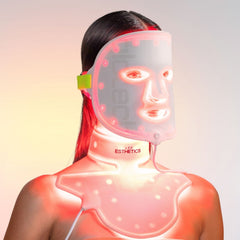
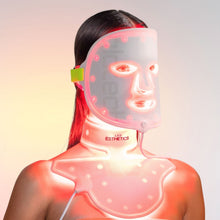
The LED Esthetics Glotech™ Mask Pro and Glotech™ Collarare leading examples of safe, medical-grade technology for consistent at-home use. Their flexibility and clinical-grade power output make them ideal for managing inflammation-prone skin with confidence and comfort. Ultimately, red light therapy empowers you to take control of your skin health.
Collagen Density in Neck Skin: Why LED Therapy Works Differently Below the Jawline
LED-SCIENCE [10-28-2025]
BY MADISON CARTER
Collagen Density in Neck Skin: Why LED Therapy Works Differently Below the Jawline
Your neck reveals your age faster than your face, and the reason lies in its cellular structure. Neck skin contains 20-40% less collagen density than facial skin, making it more vulnerable to visible aging. This fundamental difference explains why even the most diligent facial skincare routines often leave the décolletage behind.
The skin below your jawline is also significantly thinner, with fewer sebaceous glands producing protective oils. This creates a perfect storm for premature aging, where wrinkles, crepiness, and sagging appear years earlier. Understanding these structural differences is essential for developing an effective treatment approach.
Dermatologists have long recognized that the neck and chest require specialized treatment protocols, not just extensions of facial care. The unique composition of cervical skin means it responds differently to various interventions, including LED light therapy. This is where wavelength-specific photobiomodulation becomes crucial for targeting the distinct needs of décolletage tissue.
The Science Behind Neck Collagen Depletion
Collagen degradation in the neck accelerates due to three primary factors: constant movement, sun exposure, and reduced structural support. Every time you look down at your phone or computer, you create horizontal compression lines. These repeated movements, combined with chronic UV exposure on this often-unprotected area, break down existing collagen faster.
The dermis in your neck contains fewer fibroblasts, the cells responsible for producing new collagen and elastin. With less regenerative capacity and constant environmental stress, the skin structure progressively weakens over time. This process typically begins in your late twenties, well before facial aging becomes apparent.
How LED Therapy Targets Neck Collagen Production
LED light therapy works by delivering specific wavelengths directly to skin cells, triggering photobiomodulation at the mitochondrial level. Red light at 660nm penetrates the epidermis and upper dermis, stimulating fibroblast activity and collagen synthesis. This wavelength has been clinically shown to increase collagen production by up to 31% in treated areas.
Near-infrared light at 850nm penetrates even deeper, reaching the lower dermal layers where structural support originates. This deeper penetration is particularly important for neck skin, where rebuilding the foundational matrix requires cellular activation. The combination of these wavelengths creates a comprehensive approach to addressing multi-layered collagen depletion.
Why Wavelength Selection Matters for Neck Skin
The effectiveness of LED therapy depends entirely on using clinically-proven wavelengths at therapeutic energy densities. Research demonstrates that 660nm red light specifically activates Type I and Type III collagen production, the primary structural proteins. Random or unverified wavelengths simply cannot produce the same biological response in target tissues.
For neck skin's unique challenges, the penetration depth becomes even more critical than for facial applications. Surface-level treatments cannot reach the dermal layers where significant collagen loss occurs and must be reversed. This is why professional-grade devices with validated wavelengths outperform consumer products with unspecified or weak light output.
FDA clearance matters because it verifies that a device delivers therapeutic wavelengths at safe, effective energy levels. Without this validation, you're essentially hoping that a device works rather than knowing it does. LED Esthetics maintains this clinical standard across all products, ensuring reliable results for neck treatment protocols.
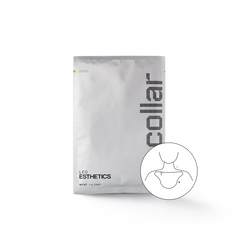
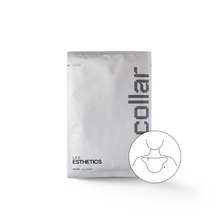
The Glotech Collar is specifically engineered to address the neck and décolletage area with clinical-grade 660nm and 850nm wavelengths. Its ergonomic design ensures consistent light delivery across the curved surfaces of your neck and chest area. This targeted approach recognizes that your neck requires different treatment parameters than your face for optimal results.
The Biological Pathway: From Light to Collagen
When LED wavelengths reach skin cells, they're absorbed by chromophores within the mitochondria, specifically cytochrome c oxidase. This absorption triggers increased ATP production, giving cells the energy needed to perform repair and regeneration functions. For fibroblasts, this energy boost directly translates to increased collagen and elastin synthesis.
The process also modulates inflammatory pathways, reducing the chronic low-grade inflammation that accelerates collagen breakdown in aging skin. By decreasing matrix metalloproteinases (MMPs), LED therapy prevents the enzymatic degradation of existing collagen structures. This dual action—building new collagen while protecting existing fibers—creates cumulative improvements over treatment sessions.
Research published in dermatology journals has documented these mechanisms through histological analysis of treated versus untreated skin samples. The evidence shows measurable increases in dermal thickness, collagen fiber density, and improved organization of the extracellular matrix. These aren't subjective improvements but quantifiable changes in skin structure that translate to visible rejuvenation.
Clinical Evidence for Neck-Specific LED Treatment
Another clinical trial focused on chest skin damaged by chronic sun exposure showed remarkable improvements in pigmentation and texture. The combination of red and near-infrared wavelengths proved most effective for addressing multiple signs of aging simultaneously. These studies used treatment protocols of 10-20 minutes, 3-5 times weekly, establishing the evidence-based approach for optimal results.
The research consistently shows that neck collagen LED therapy requires sustained use over weeks to months for maximum benefit. Unlike invasive procedures that provide immediate but temporary results, LED therapy builds structural improvements that continue developing over time. This makes it an ideal long-term strategy for maintaining neck and chest skin health.
For those interested in understanding more about how different wavelengths work throughout the body, our article "Red Light vs. Blue Light vs. Near-Infrared: Which Wavelength Does What?" provides comprehensive explanations of each spectrum's specific biological effects.
Building Your Neck LED Therapy Protocol
Consistency matters more than intensity when developing an effective LED therapy routine for neck collagen restoration. Start with 10-minute sessions three times weekly, positioning the device to ensure even light distribution across treatment areas. The neck's contours require careful attention to avoid missing areas that won't receive therapeutic light exposure.
Combine LED therapy with appropriate skincare products that support collagen production, such as peptides, retinoids, and antioxidants. The photobiomodulation effect enhances the penetration and efficacy of topically applied active ingredients when used together. Apply your skincare immediately after LED treatment when cellular activity is elevated for maximum absorption and benefit.
Track your progress with photos taken in consistent lighting every two weeks to document subtle improvements. Neck skin changes gradually, so visual documentation helps you recognize improvements that might otherwise go unnoticed with daily observation. Most users report visible improvements in skin texture and firmness within 6-8 weeks of consistent use.
I love the collar so far. I have already seen a difference in the skin on my upper chest. It is decreasing the spots on my skin and the texture on my neck. I use it every night.
- Kim
Complementary Treatments for Maximum Results
LED therapy works synergistically with other non-invasive treatments to amplify collagen-building results in neck skin. Microcurrent therapy enhances muscle tone beneath the skin, providing additional support for improved contours and reduced sagging. When combined with LED's collagen-stimulating effects, the improvements address both structural and muscular components of neck aging.
Professional treatments like microneedling create controlled micro-injuries that trigger the body's healing response, including collagen production. Following microneedling with LED therapy accelerates the healing process while maximizing collagen synthesis during the recovery period. Many dermatologists now incorporate LED therapy into their post-procedure protocols for enhanced outcomes and faster recovery.
Common Mistakes in Neck LED Treatment
Many people apply LED therapy inconsistently, treating their neck only occasionally or when they remember their skincare routine. This sporadic approach prevents the cumulative cellular changes necessary for visible collagen improvements in neck tissue. Biological processes require sustained signaling to produce lasting structural changes, making regular treatments essential for results.
Another frequent error involves using devices without verified wavelengths or adequate energy output for therapeutic effects. Consumer-grade beauty devices often lack the power density necessary to penetrate neck skin and reach target cells effectively. Without FDA clearance or published specifications, there's no guarantee the device delivers therapeutic light at all.
Expecting immediate, dramatic changes sets unrealistic expectations that lead to premature abandonment of effective treatment protocols. Collagen remodeling is a gradual biological process that unfolds over weeks and months, not days or single sessions. Understanding this timeline helps maintain the consistency necessary for achieving and maintaining visible improvements.
Optimizing Your Treatment Environment
Room temperature and device cleanliness significantly impact treatment efficacy and safety for neck LED therapy sessions. Ensure your treatment area is comfortable and allows you to maintain proper positioning for the full session duration. Discomfort or awkward positioning leads to shortened sessions or inconsistent light delivery across the treatment area.
Clean your LED device regularly according to manufacturer guidelines to prevent bacteria buildup that could transfer to skin. The warm, moist environment created during treatment can promote bacterial growth on device surfaces if not properly maintained. Simple cleaning with appropriate sanitizing wipes before and after each use protects your skin health.
Create a dedicated treatment routine that fits naturally into your existing schedule rather than treating it as optional. Morning treatments energize some users while others prefer evening sessions as part of their wind-down routine. The best schedule is one you'll actually follow consistently for the necessary duration.
Advanced Considerations for Neck Collagen Restoration
Individual skin types and aging patterns influence how quickly and dramatically neck skin responds to LED therapy. Thinner, more sun-damaged skin may show initial improvements faster as even modest collagen increases create visible changes. Conversely, those with minimal existing damage may need longer treatment periods before changes become apparent to the eye.
Hormonal factors, particularly declining estrogen during perimenopause and menopause, affect collagen production capacity throughout the body. LED therapy's mechanism bypasses some hormonal limitations by directly stimulating cellular energy production rather than relying on hormonal signals. This makes it particularly valuable for maintaining neck skin quality during hormonal transitions.
Nutritional support for collagen synthesis—including adequate protein, vitamin C, and trace minerals—enhances your body's ability to respond. LED therapy triggers the cellular machinery, but your body still needs the raw materials to build new collagen structures. A comprehensive approach addressing both stimulation and nutrition produces superior outcomes.
For those dealing with specific concerns like tech neck, our article "Tech Neck Meets LED Technology: Reversing Digital Age Damage" provides targeted strategies for addressing modern aging patterns.
Blue light therapy for skin has emerged as a revolutionary treatment in dermatology and at-home skincare, offering targeted solutions for various skin concerns. This non-invasive treatment harnesses the power of specific wavelengths to address acne, inflammation, and other skin conditions with remarkable effectiveness.
Blue light therapy utilizes wavelengths typically ranging from 415nm, which penetrates the upper layers of skin to target specific concerns. Unlike other light therapies, blue light specifically targets acne-causing bacteria while being gentle enough for regular use. The treatment works by activating natural processes within skin cells, promoting healing and reducing inflammation.
The science behind blue light therapy lies in its ability to eliminate Propionibacterium acnes, the bacteria responsible for acne breakouts. When exposed to blue light, these bacteria produce reactive oxygen species that ultimately destroy them from within, leading to clearer skin over time.
Primary Benefits of Blue Light Therapy
Acne Treatment and PreventionBlue light therapy's most well-documented benefit is its effectiveness against acne. Clinical studies demonstrate significant reduction in inflammatory lesions after consistent treatment. The therapy targets active breakouts while preventing future ones by maintaining lower bacterial populations on the skin.
Anti-inflammatory PropertiesBeyond acne treatment, blue light therapy helps reduce overall skin inflammation. This makes it beneficial for sensitive skin types and those experiencing irritation from other treatments. The gentle nature of blue light allows for regular use without the harsh side effects associated with some topical treatments.
Improved Skin TextureRegular blue light therapy sessions can lead to smoother, more refined skin texture. Users often report improved pore appearance and overall skin clarity after consistent treatment protocols.
Glotech™ Pro Mask + Collar
Get clinical level anti-aging and acne-clearing results from home—in as little as 3 weeks.
This best-selling bundle includes the Glotech Mask Pro and Glotech Collar for total skin renewal, at the cellular level.
Discovered by NASA, perfected by Glotech™
Our proprietary LED technology uses advanced wavelengths of light to stimulate skin healing and regeneration. Reverse signs of aging, clear acne and boost radiance in just 10 minutes a day.
Professional vs. At-Home Options
Professional blue light treatments in dermatology offices typically use higher-intensity devices that can deliver results more quickly. However, at-home devices have become increasingly sophisticated, offering convenient alternatives for maintaining skin health.
Modern at-home LED devices like the Glotech Pro provide professional-grade 415nm blue light therapy in a user-friendly format. For those seeking comprehensive treatment, devices such as the Glotech Lite combine blue light with other beneficial wavelengths for enhanced results. Specialized options like the Glotech Collar target specific areas such as the neck and décolletage, extending blue light benefits beyond facial treatment.
Treatment Protocols and Expectations
Effective blue light therapy for skin requires consistency and proper technique. Most protocols recommend daily sessions of 10-20 minutes, depending on the device intensity and individual skin sensitivity. Results typically become visible after 4-6 weeks of regular treatment, with continued improvement over time.
It's important to note that blue light therapy works best as part of a comprehensive skincare routine. Combining treatment with gentle cleansing and appropriate moisturizing enhances overall results and maintains skin health during the treatment process.
Safety Considerations
Blue light therapy is generally considered safe for most skin types when used as directed. Unlike some laser treatments, blue light doesn't cause photosensitivity or require extended downtime. However, individuals with certain medical conditions or those taking photosensitizing medications should consult healthcare providers before beginning treatment.
Conclusion
Blue light therapy for skin offers a scientifically-backed, gentle approach to managing acne and improving overall skin health. Whether through professional treatments or quality at-home devices, this technology provides accessible solutions for achieving clearer, healthier-looking skin. As research continues to expand our understanding of light therapy benefits, blue light remains a cornerstone treatment for those seeking effective, non-invasive skincare solutions.
Anti-Aging Creams vs. Red Light Therapy: What Works Best
LED-SCIENCE [09-02-2025]
by Madison Carter
Anti-Aging Creams vs. Red Light Therapy: What Works Best
If you've been dropping hundreds on anti-aging serums only to see minimal results, you're about to discover why LED light therapy is revolutionizing how we approach skincare. While the beauty industry has conditioned us to believe expensive creams are the only path to younger-looking skin, groundbreaking clinical research reveals a game-changing truth: red light therapy delivers the kind of deep, lasting results that topical treatments simply cannot match.
Here's what dermatologists are finally admitting: after decades of pushing creams and serums, the real breakthrough in anti-aging isn't what you put ON your skin—it's what you do TO your skin at the cellular level. And the science behind LED therapy is so compelling, it's forcing the entire beauty industry to rethink everything they thought they knew about effective skincare.
Why Anti-Aging Creams Hit Their Ceiling So Quickly
Let's be honest about what actually happens with those expensive serums in your bathroom cabinet. Anti-aging creams work primarily at the surface level, fighting an uphill battle against your skin's natural barrier function that's literally designed to keep ingredients out.
Even the most potent prescription retinoids, while clinically proven to reduce fine lines by 20-25% after 12 weeks, face fundamental limitations. They can only affect the epidermis and upper dermis—that's just scratching the surface of where real aging happens. The deeper dermal layers where collagen production occurs? Those expensive molecules in your $200 serum never make it that far.
Here's the uncomfortable truth the beauty industry doesn't want you to know: most topical treatments plateau after initial improvements. You see some results in the first few months, then... nothing. You're stuck in an expensive maintenance cycle, applying the same products daily just to maintain minimal gains that disappear the moment you stop using them.
The financial reality? You're looking at $300-2,500 annually for high-end anti-aging creams, with results that require constant upkeep and offer no lasting structural improvements to your skin.
The LED Revolution: Why Light Therapy Changes Everything
Now here's where skincare gets exciting. Red light therapy doesn't just work differently than creams—it works at a completely different level that makes traditional skincare look primitive by comparison.
When you use clinical-grade LED therapy, you're delivering specific wavelengths of light that penetrate 1-10mm deep into your skin—far deeper than any topical ingredient could ever reach. At this depth, red and near-infrared light triggers photobiomodulation, essentially hijacking your skin cells' power plants (mitochondria) to supercharge their repair and regeneration processes.
The clinical results are nothing short of remarkable. Recent studies show LED therapy delivers:
31% increase in collagen production (that's actual new collagen, not just surface plumping)
15.6% reduction in wrinkle depth after just 3 months
28.5% decrease in pore size
18% reduction in collagen-destroying enzymes
Results that persist for weeks after stopping treatment
The Science That's Revolutionizing Skincare
Here's what makes LED therapy so powerful: it's working with your body's natural processes, not against them. A groundbreaking 2023 study published in Skin Research and Technology followed women using 630nm LED therapy and documented something unprecedented—87% of participants showed measurable improvement in skin quality, with 90% experiencing significant wrinkle reduction.
But here's the game-changer: unlike topical treatments where benefits vanish within days of stopping, LED therapy creates lasting structural changes. Participants maintained their improvements for up to a month after ending treatment, proving that light therapy actually rebuilds your skin from within.
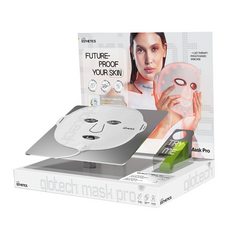
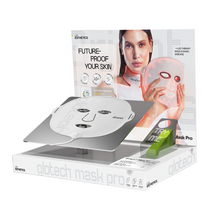
Experience the LED advantage for yourself. The Glotech Mask Pro delivers the exact same 630nm and 830nm wavelengths used in clinical studies, with 198 medical-grade LEDs providing full-face coverage. FDA-cleared and backed by a 30-day money-back guarantee, it's professional-strength therapy you can trust.
Why Smart Skincare Users Are Making the Switch
The beauty industry data tells a compelling story about where informed consumers are heading. LED devices are experiencing explosive 9.0% annual growth while traditional anti-aging creams stagnate at 5.5-7.7%. This isn't just a trend—it's a fundamental shift toward technology that actually works.
Post-pandemic, 70% of beauty enthusiasts in urban areas have embraced at-home LED devices, and they're not going back. These aren't early adopters chasing fads—they're educated consumers who've experienced firsthand the difference between surface-level improvements and real transformation.
Social media tells the story beautifully: LED therapy content generates 3x higher engagement than traditional skincare posts. Why? Because the results speak for themselves. When you see dramatic before-and-after transformations from LED therapy, it's impossible to ignore the difference.
The Professional Endorsement That Changes Everything
Here's what really validates LED therapy: dermatology clinics now represent over 40% of the light therapy market. When your dermatologist's office invests in the same technology you can access at home, it removes any doubt about efficacy and safety.
Dr. Chen reports that patients using LED therapy see 40-50% better results compared to topical treatments alone. "LED therapy creates structural changes at the cellular level," she explains. "It's not just treating symptoms—it's addressing the root cause of aging skin."
The cost analysis makes the choice even clearer. A quality LED device pays for itself after just 10-25 professional treatment equivalents. While $400-600 feels like a significant investment upfront, it delivers unlimited treatments compared to the never-ending cycle of buying creams and serums.
The Strategic Approach: LED First, Everything Else Second
Here's the approach that delivers maximum results: use LED therapy as your foundation, then strategically add targeted topicals for specific concerns. LED therapy preps your skin by increasing circulation and permeability, creating optimal conditions for any active ingredients you choose to use.
The protocol that's showing remarkable results:
LED therapy 3-5 times weekly for deep cellular repair and collagen stimulation
Strategic topical application immediately after LED sessions for enhanced absorption
Maintenance LED sessions 1-2 times weekly for lasting results
This isn't about choosing between LED and creams—it's about using LED as your primary anti-aging tool while making any topicals you choose to use work exponentially better.
The Glotech Lite is a more affordable, sturdy option for those starting their LED skincare journey. Made from BPA Free plastic, it offers targeted red light wavelengths without compromising performance.
It’s ideal if you’re looking for a reliable, budget-friendly mask while still enjoying visible skin benefits.
The Future is Here: Why LED Therapy Wins
The evidence is overwhelming: LED therapy represents the future of effective anti-aging skincare. While creams and serums work at the surface level with temporary results, LED therapy creates lasting structural improvements by working with your skin's natural repair mechanisms.
The advantages are undeniable:
Deeper penetration reaching where aging actually occurs
Lasting results that persist weeks after treatment
No side effects unlike harsh actives that can irritate sensitive skin
Cost-effective with unlimited use after initial investment
Clinically proven with FDA clearance and professional endorsement
Convenient 10-minute sessions that fit any schedule
Rosacea is a common yet often misunderstood skin condition that affects millions worldwide, causing persistent redness, visible blood vessels, and in some cases acne-like bumps across the central face. Beyond the physical symptoms, it can also impact self-esteem and daily confidence, as flare-ups are unpredictable and frequently triggered by stress, weather, food, or even skincare products.
While dermatologists used to recommend topical treatments, oral medications, or lifestyle adjustments as the primary way to manage rosacea, many now have turned to light-based therapies as a safer and more sustainable option. Red light therapy in particular has gained recognition for its ability to calm inflammation, strengthen the skin barrier, and promote long-term balance without the side effects often linked to harsher treatments. With advances in at-home LED masks and devices, this approach is becoming a trusted way to manage rosacea.
There is no single cause of rosacea, as it is a complex condition influenced by multiple factors. That said, most dermatologists agree it develops from a mix of genetics, vascular changes, and an overactive immune system. When blood vessels in the face dilate too easily, the skin becomes more prone to persistent redness and flushing. Environmental triggers like stress, alcohol, spicy food, and sun exposure can intensify the response, while factors such as Demodex mites or microbial imbalances may also play a role in flare-ups.
Clinically, rosacea is divided into four main subtypes. Erythematotelangiectatic rosacea (ETR) presents with chronic redness and visible blood vessels. Papulopustular rosacea often resembles acne, with red bumps and pustules across the central face. Phymatous rosacea causes thickened, bumpy skin, most commonly on the nose, while ocular rosacea affects the eyes with dryness, irritation, and sensitivity. Many patients experience overlapping symptoms, which is why effective management often requires tailoring treatment to individual patterns rather than a one-size-fits-all approach.
Benefits of Red Light Therapy for Rosacea
Red light therapy has become a leading option for rosacea management because of its ability to reach deeper layers of the skin where inflammation begins. Unlike treatments that work only on the surface, red light stimulates cellular repair and reduces the immune overactivity that makes rosacea flare-ups so persistent. This not only calms visible redness but also strengthens the skin’s structure over time, making it more resilient.
Consistent use of red light therapy may help with:
Reducing redness and dilated blood vessels by lowering inflammatory activity in the dermis and surrounding tissues.
Stimulating collagenand elastin production, which improves skin strength and tone.
Accelerating the healing of flare-ups and reducing lingering irritation.
Enhancing circulation to support healthier skin function.
Making the skin barrier less reactive, allowing it to tolerate products more effectively.
When integrated into a routine that avoids harsh irritants and common rosacea triggers, red light therapy can deliver both short-term relief and long-lasting improvements for your skin.
How to Use Red Light Therapy for Rosacea?
Creating a treatment plan with red light therapy for rosacea isn’t complicated, but consistency makes all the difference. Short, regular sessions are far more effective than occasional long treatments, helping the skin gradually become calmer, stronger, and less reactive to everyday triggers.
To get the most from your skincare routine, follow these steps:
Start with clean skin: Use a gentle, non-foaming cleanser to remove oil, sunscreen, or impurities.
Keep skin dry: Make sure your face is completely dry before beginning your session to ensure full light penetration.
Use your red LED light device correctly: Aim for 10–20 minute sessions, three to five times per week, following the manufacturer’s guidelines.
Reinforce with soothing care: After treatment, apply calming products like ceramides, niacinamide, or hyaluronic acid to strengthen the skin barrier.
Protect during the day: Always finish with broad-spectrum sunscreen, since UV light is one of the most common rosacea triggers.
Most users begin to notice reduced redness, improved comfort, and fewer flare-ups within three to four weeks. The more consistent your plan, the stronger and healthier your skin becomes over time. For the best results, dermatologists recommend using ahigh-quality red light therapy mask, as these ensure full-face coverage and optimal light delivery.
Real Results and Skin Improvements
One of the biggest questions people have when exploring red light therapy for rosacea is whether it truly delivers results outside of clinical studies. While the science behind it is solid, real-world experiences show just how impactful this therapy can be. Many individuals living with rosacea report significant reductions in redness, fewer flare-ups, and an overall improvement in skin comfort within just a few weeks of starting treatment. These results are most often seen when using a professional-quality device like the LED Esthetics Glotech™ Mask Pro, which delivers medical-grade wavelengths designed for safe and effective at-home use.
As dermatologist Dr. Erez Dayan explains, “Red light therapy is a powerful tool for skin rejuvenation, recovery, and inflammation reduction—its backed by science and widely embraced in aesthetics. I’ve been especially impressed with the results we’ve seen using Glotech from LED Esthetics.”
For those struggling with unpredictable flare-ups, these results are life-changing. The combination of clinical backing and consistent success stories is what makes red light therapy such a trusted option for managing rosacea in a safe and non-invasive way.
Calming Redness and Roscea with Red Light
Rosacea can feel unpredictable, but with the right treatment routine, it becomes far more manageable. Red light therapy offers a safe and effective way to calm inflammation, strengthen the skin barrier, and reduce flare-ups, especially when paired with soothing skincare and careful attention to triggers. Unlike medications that often cause side effects or topical actives that can sting, red light provides a gentle, sustainable option that works with the skin.
By committing to regular use and pairing it with the right products, you give your skin the tools it needs to stay balanced and resilient. While rosacea doesn’t have a cure, it does have solutions—and with red light therapy, managing flare-ups and restoring comfort is within reach.
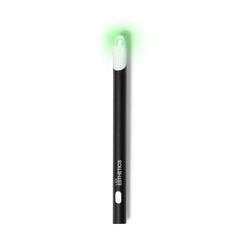
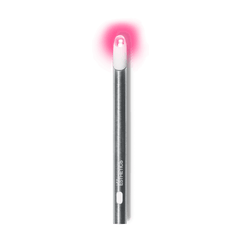
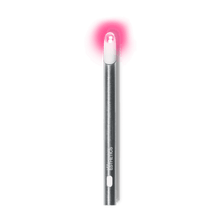
Red light therapy face masks remain one of the strongest options for managing rosacea, thanks to their ability to cover the entire face with consistent, therapeutic light. Still, they aren’t the only devices worth considering. Targeted tools like the Glotech™ Acne Wand can be useful for calming smaller problem areas or addressing breakouts that sometimes accompany rosacea. Together, these devices create a flexible approach—full-face coverage for overall redness combined with precision treatment where you need it most.
Glotech™ Mask Pro
Target rosacea-related redness and calm sensitive skin with professional-grade LED light therapy at home.
The Glotech™ Mask Pro uses red and near-infrared wavelengths to reduce inflammation, support the skin barrier, and improve overall tone. It’s ideal for those managing flare-ups, sensitivity, and uneven texture who want a safe, non-invasive solution that fits seamlessly into daily routines.
Backed by clinical science, our red light therapy penetrates deep beneath the surface to regulate overactive immune responses, improve circulation, and strengthen skin.
Glotech™ Acne Wand
Address stubborn spotsand localized redness with precision red light therapy.
The Glotech™ Acne Wand delivers targeted red light and blue light to calm inflamed areas, reduce breakout-related irritation, and support clearer skin. Compact and easy to use, it’s the perfect for managing flare-ups in smaller zones.
Eczema is one of the most common skin conditions worldwide, affecting both children and adults with symptoms that range from mild dryness to painful, recurring flare-ups. For many people, the cycle of itching, redness, and irritation feels endless, especially when standard treatments only provide temporary relief. Steroid creams, antihistamines, and moisturizers can help manage symptoms, but they rarely address the root causes.
In recent years, red light therapy has emerged as a promising alternative. Backed by clinical research and increasingly recommended by dermatologists, this non-invasive treatment works at the cellular level to calm inflammation, support healing, and strengthen the skin barrier. For people struggling with eczema, it represents a way to go beyond surface-level care and actively restore healthier, more resilient skin.
Eczema, also known as atopic dermatitis, is a chronic inflammatory condition that affects more than just the skin’s surface. It stems from a combination of genetic factors, immune system responses, and environmental influences. Flare-ups often occur suddenly, leaving the skin dry, itchy, and irritated, and can be made worse by stress, allergens, or changes in the weather.
What makes eczema particularly frustrating is its recurring nature. Even when symptoms are managed with creams or medications, they often come back, highlighting the need for treatments that strengthen skin at its core rather than offering short-term relief. This is where red light therapy stands out, offering support at the cellular level to promote long-term improvement.
Red Light Therapy for Eczema
Red light therapy uses wavelengths between 630–660nm, penetrating deep into the skin to stimulate healing responses. Unlike creams or topical treatments that sit on the surface, red light reaches the cells responsible for collagen and elastin production, and also influences immune cell activity in the skin.
Benefits of red light for eczema-prone skin:
Reduces inflammation: Calms overactive immune responses that drive redness.
Supports skin barrier repair: Strengthens the outer layer of skin to lock in hydration.
Boosts circulation: Improves nutrient and oxygen delivery for faster recovery.
Encourages long-term resilience: Makes skin less reactive to everyday triggers.
Unlike steroids or antihistamines,red light therapydoes not suppress the immune system or thin the skin, making it suitable for consistent, long-term use.
Red Light Therapy vs. Traditional Eczema Treatments
When it comes to eczema management, most people rely on a mix of prescriptions, over-the-counter products, and lifestyle adjustments. But each approach has its limits.
Traditional options:
Topical steroids: Reduce inflammation quickly but can cause thinning skin and dependency with long-term use.
Antihistamines: Helps ease itching but doesn't address barrier function or inflammation.
Moisturizers: Essential but mostly provide surface hydration without repairing underlying issues.
Red light therapy:
Instead of masking symptoms, red light therapy encourages skin to heal itself. Studies show it reduces flare-up frequency, soothes active irritation, and improves skin resilience. While it shouldn’t replace medical treatments in severe cases, it’s a powerful addition to daily care, bridging the gap between symptom control and lasting improvement.
How to Use Red Light Therapy for Eczema
Consistency is key to achieving results. At-home LED devices make it simple to integrate treatments into your existing skincare routine without adding complexity.
Here’s a step-by-step approach:
Start with clean skin: Remove heavy creams or oils so the light can penetrate properly.
Use your device regularly: Aim for 10–15 minutes, 3–5 times per week.
Moisturize after sessions: Apply barrier-supporting creams with ceramides or hyaluronic acid to lock in hydration.
Track your skin’s response: Improvements typically appear gradually over weeks, so consistency is essential.
The treatment itself is painless and non-invasive, making it suitable even for children and adults with sensitive skin.
Glotech™ Glo-Getter Bundle
Soothe eczema-prone skin and calm inflammation—right from the comfort of home.
This skin-loving bundle combines the Glotech™ Pro LED Face Mask with Hydrogel Masks and Targeted Serums to restore hydration, strengthen the skin barrier, and reduce visible irritation—perfect for those managing flare-ups, sensitivity, or dry, reactive skin.
Discovered by NASA, perfected by Glotech™
Backed by clinical science, our LED technology uses red and near-infrared wavelengths to calm overactive immune responses, improve skin texture, and promote long-term skin resilience. Just 10 minutes a day helps bring down redness and restore your natural glow—no steroids or downtime required.
What Results Can You Expect from Red Light Therapy for Eczema?
Results vary depending on the severity of eczema, but many people notice meaningful changes within weeks. Clinical studies and user reports often highlight:
2 weeks: Reduced itching, calmer skin, and less visible redness.
4–6 weeks: Stronger barrier function, fewer flare-ups, and improved hydration.
3 months: Smoother, more resilient skin with lasting comfort.
It’s important to set realistic expectations. Red light therapy won’t “cure” eczema, but it can make a significant difference in how often flare-ups occur and how severe they are. Devices like the LED Esthetics Glotech™ Mask Pro or body panels are particularly effective because they cover larger areas consistently.
Best Skincare to Pair with Red Light Therapy for Eczema
For the best results, red light therapy should be paired with skincare that soothes and strengthens sensitive skin. Ingredients like ceramides help repair and reinforce the skin barrier, while niacinamide works to calm redness and improve overall tolerance. Colloidal oatmeal provides instant relief from irritation, while hyaluronic acid restores hydration and plumpness to keep skin balanced and comfortable.
Equally important is knowing what to avoid. Harsh exfoliants, heavily fragranced products, and strong acids can trigger flare-ups and undo the benefits of treatment, leaving the skin more reactive and vulnerable. The goal is not just to treat flare-ups but to create a gentle, protective environment where your skin can recover, strengthen, and maintain balance over time. By keeping your skincare routine calm and supportive, you give red light therapy the best chance to deliver visible and lasting improvements.